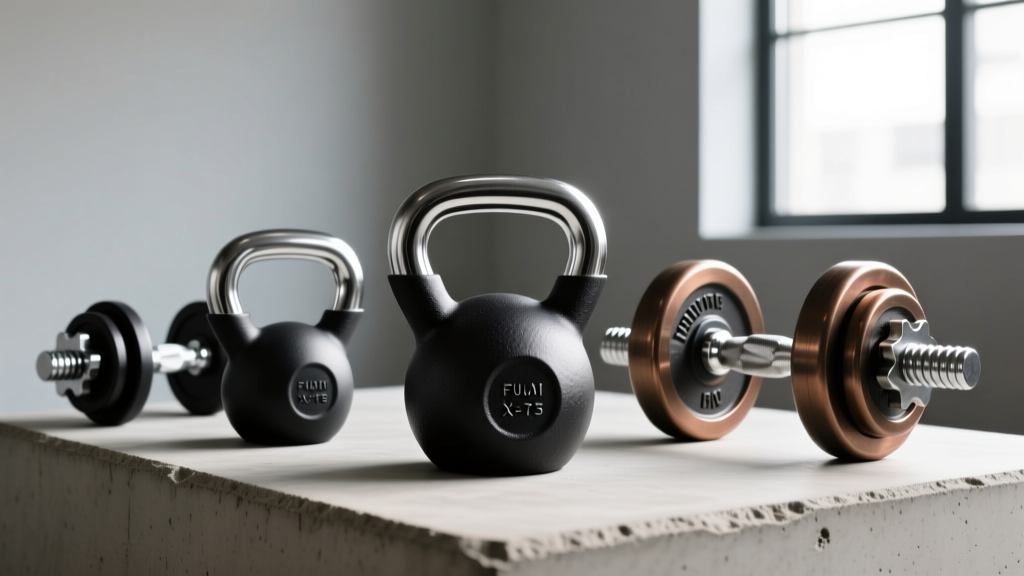
Cast Iron vs Competition Kettlebells & Best Dumbbell for Traps
Compare cast iron vs competition kettlebells with a 2026 budget breakdown. Plus, discover the most cost-effective dumbbell for traps and upper-back work.

The Core Dilemma: Cast Iron vs. Competition Kettlebells
When outfitting a home or garage gym in 2026, the free weights market offers more variety than ever, but it also presents a complex web of pricing and utility. For athletes focused on ballistic movements, grinds, and posterior chain development, the choice between cast iron and competition kettlebells is a foundational one. This decision is rarely just about aesthetics; it fundamentally alters your biomechanics, grip endurance, and long-term budget allocation.
Cast iron kettlebells are the traditional, single-piece molded tools that vary in physical size as the weight increases. Competition kettlebells, conversely, are standardized in size—regardless of whether they weigh 8kg or 48kg—featuring a steel shell and internal ballast. But how do these differences translate to actual dollars and cents? Furthermore, how do these tools compare when lifters are specifically hunting for the ultimate dumbbell for traps and upper-back development? This comprehensive value analysis breaks down the exact costs, failure modes, and biomechanical realities of your free weight investments.
Budget Breakdown: Cost Per Pound and Long-Term Value
The most immediate differentiator between cast iron and competition kettlebells is the price per pound. In the current 2026 fitness equipment market, raw steel and urethane prices have stabilized, but manufacturing and shipping logistics heavily dictate the final retail cost.
- Cast Iron Kettlebells: Typically range from $2.00 to $3.50 per pound. Brands like Titan Fitness, CAP Barbell, and Rogue offer budget-friendly to premium powder-coated options. Because they are solid iron, they are incredibly dense, making them cheaper to manufacture and ship.
- Competition Kettlebells: Typically range from $4.50 to $8.00 per pound. Brands like Kettlebell Kings, Onnit, and First Place charge a premium for the precise steel welding, uniform sizing, and internal steel shot or ballast required to hit the exact weight target.
The Hidden Cost: Dimensional Weight Shipping
A frequently overlooked factor in the budget breakdown is shipping. Because competition kettlebells are uniform in size (usually 210mm tall and 280mm wide), a 12kg competition bell takes up the exact same box volume as a 32kg competition bell. Carriers often charge by 'dimensional weight' rather than actual weight for lighter competition bells, inflating the shipping cost per pound for the lighter end of the spectrum. Cast iron bells, being smaller at lower weights, generally incur lower shipping surcharges.
| Feature | Cast Iron (Standard) | Competition (Steel Shell) |
|---|---|---|
| Avg. Price Per Pound | $2.00 - $3.50 | $4.50 - $8.00 |
| Handle Diameter | Variable (32mm - 45mm+) | Standardized (33mm) |
| Bell Dimensions | Variable (Grows with weight) | Uniform (210x280mm) |
| Primary Failure Mode | Coating chip / Rust | Handle weld snap / Dents |
| Best Use Case | Heavy Grinds, General Fitness | Snatches, Jerks, Sport |
Dimensional Differences and Biomechanical Impact
The physical geometry of the bell dictates how it interacts with your body, particularly during cleans, snatches, and presses. According to the coaching standards outlined by StrongFirst, the 'window' (the space between the handle and the bell) is critical for wrist health.
The Window Clearance Problem
Cheaper cast iron kettlebells often suffer from a narrow window. When cleaning a 24kg or 32kg cast iron bell with a small window, the bell rests awkwardly against the forearm, crushing the wrist and impeding the rack position. Competition kettlebells maintain a massive, standardized window (typically 140mm x 115mm), allowing the bell to rest comfortably in the crook of the elbow and forearm, regardless of the weight inside.
Handle Diameter and Grip Fatigue
Cast iron handles scale with the weight of the bell. A 48kg cast iron 'bulldog' kettlebell can feature a handle diameter exceeding 40mm. While this builds crushing grip strength, it severely limits the number of repetitions you can perform during high-volume ballistic work. Competition bells lock in at a 33mm handle diameter, optimizing the biomechanical lever arm for the fingers and allowing for high-rep snatches without premature grip failure.
Trap Development: Kettlebell High Pulls vs. the Best Dumbbell for Traps
Many lifters building their posterior chain and upper back eventually search for the ultimate dumbbell for traps, typically eyeing heavy hex dumbbells (100 to 150 lbs) for traditional shrugs. However, comparing the budget and biomechanical value of heavy dumbbells versus kettlebells for trapezius development reveals some surprising cost-efficiency gaps.
The Budget of Heavy Shrugs
To effectively overload the upper trapezius with dumbbells, you need serious weight. A pair of 120lb hex dumbbells from a reputable commercial brand will cost upwards of $400 to $500 in 2026. Furthermore, they require massive rack space and are highly specialized; you will rarely use 120lb dumbbells for anything other than shrugs and heavy farmer's walks.
Conversely, a pair of 32kg or 40kg cast iron kettlebells costs between $150 and $220. While the absolute load is lighter, kettlebells allow for explosive trapezius recruitment through high pulls and snatches. The National Strength and Conditioning Association (NSCA) frequently highlights explosive Olympic-style pulls as superior for rate of force development (RFD) in the upper traps compared to slow, grinding shrugs.
Expert Insight: Biomechanics of the Trap
According to exercise biomechanics databases like ExRx.net, the trapezius muscle responds to both heavy isometric/eccentric loads (best achieved with a heavy dumbbell for traps) and rapid concentric elevation (best achieved with kettlebell snatches). If your budget is under $300, investing in kettlebells provides a vastly superior ROI for overall athletic development, whereas heavy dumbbells are strictly a bodybuilding isolation investment.
Edge Cases and Failure Modes in Trap Training
When using kettlebells for high pulls to target the traps, the primary failure mode is handle tear. If you are using a cheap, poorly finished cast iron bell with a visible casting seam on the inner handle, high-rep snatches will shred your calluses. Always inspect the inner arch of a cast iron handle; if the seam is prominent, you must sand it down or apply automotive clear coat before attempting high-volume trap work. Competition bells, being machined steel, rarely suffer from this issue.
Coating and Maintenance Costs
The long-term value of your equipment is heavily tied to its finish. Bare cast iron will rust within weeks in a humid garage gym. Therefore, you are essentially paying for the coating.
- Painted Cast Iron: The cheapest option, but the paint chips rapidly when bells clank together, leading to rust spots that require wire-brushing and repainting.
- Powder-Coated Cast Iron: The gold standard for home gyms. A textured powder coat (like the Rogue Kettlebells) holds chalk well and resists chipping. Expect to pay a $1.00/lb premium over painted bells.
- E-Coat / Urethane: Premium cast iron bells sometimes feature an e-coat or urethane dipping. While highly resistant to rust, urethane can degrade and become sticky if exposed to direct UV sunlight over several years.
- Competition Steel: Usually painted with automotive-grade enamel. The main body holds up well, but the handles are often left as bare, polished steel or lightly chromed. They require occasional wiping with 3-in-One oil or WD-40 to prevent surface oxidation from sweat.
2026 Value Verdict: How to Allocate Your Free Weight Budget
Choosing between cast iron and competition kettlebells—and deciding whether to allocate funds toward a heavy dumbbell for traps—comes down to your specific training methodology and spatial constraints.
- Choose Cast Iron If: Your training focuses on heavy grinds (goblet squats, strict presses, heavy swings), you have a limited budget, and you prefer a smaller physical footprint for your lighter weights. For trap development, a pair of 32kg-40kg cast iron bells offers a highly cost-effective alternative to 100lb+ hex dumbbells, provided you focus on explosive high pulls.
- Choose Competition If: You practice Kettlebell Sport, prioritize high-volume snatches and jerks, or have wrist mobility issues that require the generous window clearance of a standardized steel shell. The higher upfront cost is justified by the uniform biomechanical feedback across all weight increments.
Ultimately, the smartest budget strategy for a comprehensive home gym is a hybrid approach. Invest in a set of competition kettlebells (8kg, 16kg, 24kg) for technical ballistic work, supplement with a heavy cast iron bell (32kg or 40kg) for raw strength grinds, and allocate the remaining budget toward a quality adjustable dumbbell set. This ensures you have the precise tool for trap isolation, explosive power, and heavy lower-body loading without bankrupting your garage gym fund.
More gear to consider
All reviews
How Heavy Are The Dumbbells You Lift TV Show? Kettlebell Value Guide

Perfect Dumbbell Shrug Form Using Loadable Dumbbells in Small Gyms

Can I Lift Dumbbells Everyday? Barbell Collar Setup & Types Guide

Bumper vs Iron Plate Storage and Dumbbell Squeeze Press Layouts

Loadable Dumbbell Setups for Every Biceps Exercise Using Dumbbells
