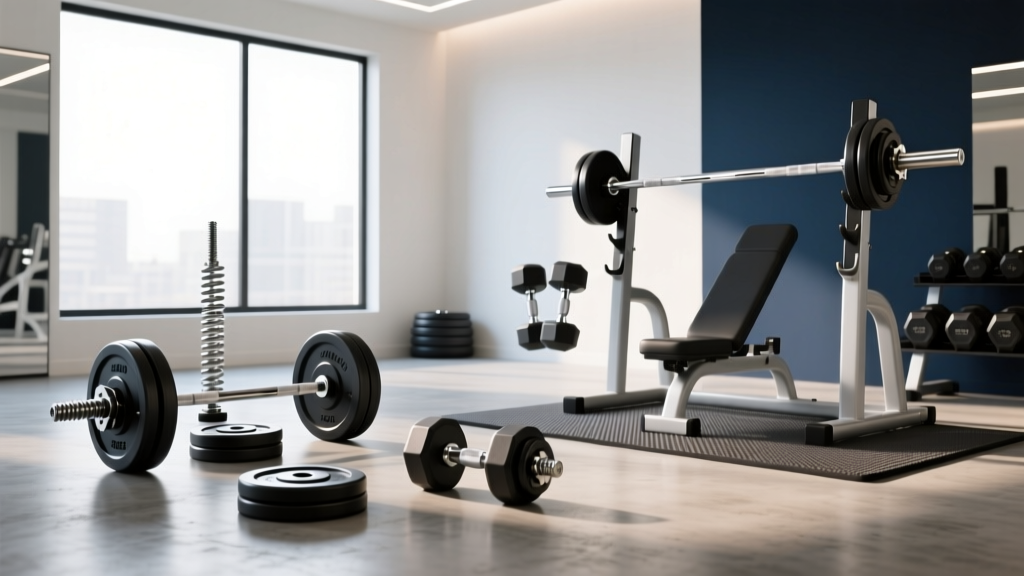
Dumbbell Rack Care After Core Dumbbells Exercise Routines
Learn how to maintain your dumbbell rack and storage gear after intense core dumbbells exercise routines to prevent rust and structural failure.

The Hidden Toll of Core Work on Your Storage Gear
When you finish a grueling core dumbbells exercise session—like weighted V-ups, renegade rows, or heavy dumbbell side bends—your equipment is inevitably coated in a corrosive mix of sweat, chalk, and floor dust. While most lifters meticulously wipe down their benches, the dumbbell rack and storage trays are often neglected. This is a critical oversight. Proper storage after a core dumbbells exercise routine is not just about tidiness; it is about structural preservation and preventing long-term material degradation.
During floor-based core work, dumbbells are frequently set down on rubber mats, picking up microscopic debris and moisture. When these damp, chalk-covered weights are hastily returned to a tiered rack, that moisture and magnesium carbonate become trapped against the steel framing and saddle trays. Over time, this creates a localized microclimate that accelerates oxidation, degrades rubber cradles, and compromises the structural integrity of your storage solution. In 2026, with premium storage racks costing anywhere from $250 to over $600, implementing a rigorous maintenance protocol is essential for protecting your investment.
Material Vulnerabilities: How Sweat and Chalk Attack Your Rack
Human sweat has a pH ranging from 4.5 to 7.0, making it mildly to moderately acidic. When combined with the hygroscopic (moisture-attracting) properties of gym chalk, this acidic compound eats away at protective coatings. Below is a breakdown of common rack materials and their specific vulnerabilities when exposed to post-workout residue.
| Rack Material | Common Use Case | Vulnerability to Sweat/Chalk | Maintenance Frequency |
|---|---|---|---|
| Powder-Coated Steel | Main uprights, crossmembers | Low (unless scratched or chipped) | Monthly wipe-down |
| Chrome-Plated Steel | Adjustable dumbbell handles, saddles | High (prone to pitting and surface rust) | After every use |
| Rubber Cradles/Trays | Budget rack saddles, drop zones | High (dries out, cracks, and absorbs odor) | Weekly deep clean |
| Urethane Trays | Premium rack saddles (e.g., Rogue, Rep) | Low (highly resistant to oils and acids) | Bi-weekly wipe-down |
As noted in Rogue Fitness's official steel care guidelines, the principles of barbell maintenance apply equally to bare or lightly coated steel components on storage racks. Neglecting to remove chalk dust from the welds and bolt heads of your rack will inevitably lead to surface corrosion, even on high-end models.
Step-by-Step Rack and Dumbbell Degreasing Protocol
To effectively neutralize the acidic residue left behind after a heavy core dumbbells exercise circuit, you need a systematic cleaning approach. Avoid harsh household bleach or ammonia-based cleaners, as these will strip the plasticizers out of rubber trays and accelerate steel oxidation.
- Initial Dry Brush: Use a stiff-bristled nylon brush to dislodge caked-on magnesium carbonate from the rack's saddle trays and the knurling of your dumbbells. Do this before introducing any liquid.
- Prepare a Neutralizing Solution: Mix a 10:1 ratio of distilled water to Simple Green Pro HD Heavy-Duty Cleaner in a spray bottle. This alkaline solution effectively neutralizes sweat acidity without damaging powder coatings.
- Targeted Application: Lightly mist the solution onto a microfiber cloth—never spray directly onto the rack to prevent liquid from pooling in the bolt sleeves or weld joints.
- Wipe and Agitate: Wipe down each tier of the rack, paying special attention to the lower tiers where floor-dust and sweat accumulation are highest after core routines.
- Protective Sealing: Once dry, apply a light coat of Break-Free CLP or 3-in-One oil to any exposed steel bolts or chrome saddle lips. For urethane and rubber trays, use 303 Aerospace Protectant to restore UV and ozone resistance.
Optimizing Rack Placement for Climate and Longevity
Where you place your dumbbell rack matters just as much as how you clean it. Garage and basement gyms are notorious for fluctuating temperatures, which can cause condensation to form on cold steel frames—a phenomenon known as the dew point effect. When you bring warm, sweat-covered dumbbells back to a cold rack after a core dumbbells exercise set, the temperature differential accelerates flash rusting.
According to facility maintenance standards outlined by the CDC's guidelines on surface cleaning and environmental control, managing ambient humidity is crucial for preventing microbial growth and material degradation. For home gyms, you should invest in a digital hygrometer.
Pro Tip: Keep your gym's Relative Humidity (RH) below 55%. If your garage gym frequently exceeds 60% RH during summer months, run a dedicated dehumidifier near your free weight storage zone. This single environmental tweak will double the lifespan of your chrome and bare steel components.Troubleshooting Common Rack Failure Modes
Even with meticulous care, heavy use dictates that storage racks will experience wear. Here is how to identify and troubleshoot the most common failure modes associated with dumbbell storage:
- Wobbling A-Frames: If your 3-tier or 5-tier rack rocks on the floor, check the floor levelers. More importantly, use a torque wrench to check the M8 and M12 structural bolts. The repetitive vibration of dropping heavy dumbbells onto the rack during fatigued core sets can loosen hardware over time. Re-torque all bolts every six months.
- Peeling Rubber Trays: If your rack utilizes cheap rubber inserts and they are flaking or tearing, the rubber has suffered from 'dry rot' due to UV exposure and sweat acidity. You can replace these with custom-cut high-density urethane sheets from industrial suppliers, extending the rack's life by a decade.
- Rusted Weld Joints: Welds are the most porous part of a steel rack. If you spot orange dust near the baseplates, use a brass brush to remove the rust, apply a rust-converter primer, and touch it up with a matching enamel paint.
Expert Storage Configurations to Prevent Metal Fatigue
How you load the rack also impacts its longevity. Physics plays a major role in the lifespan of your storage solution. When utilizing a 5-tier rack (like the popular Rep Fitness 5-Tier Dumbbell Rack, currently retailing around $249), the center of gravity shifts dramatically depending on your loading pattern.
Always store your heaviest dumbbells (50+ lbs) on the bottom tier. Placing 100 lb pairs on the top tier of an A-frame rack creates a severe top-heavy lever arm, stressing the rear cross-brace and increasing the risk of the rack tipping if bumped during a dynamic core dumbbells exercise transition. For premium 3-tier racks (such as the Rogue 3-Tier Dumbbell Rack, priced at $395), the horizontal shelf design is better suited for heavier loads, but you should still distribute weight evenly from left to right to prevent asymmetric torque on the upright welds.
Final Thoughts on Equipment Preservation
Treating your dumbbell rack as an afterthought is a costly mistake. The intense grip demands, heavy breathing, and floor contact inherent to a rigorous core dumbbells exercise routine mean your equipment is working in a harsh, corrosive environment. By implementing a neutralizing cleaning protocol, monitoring your gym's humidity, and respecting the physics of weight distribution, you ensure that your storage solutions remain safe, stable, and visually pristine for years to come. Protect your gear, and it will support your training for a lifetime.
More gear to consider
All reviews
Adjustable Dumbbell Review & Setup: Mastering Chest Exercises With Just Dumbbells
Best Neoprene Dumbbells for a Bicep Workout Using Dumbbells at Home

2026 Trends: Urethane vs Rubber Hex for Basic Exercises with Dumbbells
Kettlebell Care: Cast Iron vs Competition & Lat Pull Down Dumbbell Alternative
Best Neoprene Dumbbells for the Dumbbell French Press (2026)