
Compact Cardio Layouts: Skip Replacing Treadmill Motor Parts
Maximize your home gym layout with compact portable cardio. Learn why space-saving gear beats costly treadmill motor parts repairs in tight spaces.

In the evolving landscape of home fitness, spatial efficiency is no longer a luxury—it is a necessity. As urban living spaces shrink and multi-purpose rooms become the standard in 2026, the traditional 75-inch commercial-style treadmill is increasingly becoming a liability. When homeowners attempt to force these massive machines into poorly ventilated alcoves or cramped spare bedrooms, they inevitably trigger a cascade of mechanical failures. The most common casualty? The drive system. Shopping for replacement treadmill motor parts has become a frustrating rite of passage for those who prioritize machine size over room layout.
According to the American Heart Association, adults need at least 150 minutes of moderate-intensity aerobic activity per week. You do not need a 400-pound, space-hogging treadmill to achieve this. By pivoting to compact, portable cardio equipment and applying strategic layout design, you can optimize your square footage, eliminate the risk of overheated electronics, and save hundreds of dollars in repair costs.
The Spatial Penalty: Why Traditional Treadmills Fail in Compact Rooms
To understand the appeal of portable cardio, we must first examine the failure modes of traditional treadmills in restricted environments. A standard 2.5 CHP (Continuous Horsepower) DC drive motor generates significant heat. Manufacturer guidelines universally require a minimum of 18 inches of rear clearance and 24 inches of lateral clearance for proper airflow and user safety.
⚠️ The Overheating Cascade: When a treadmill is pushed flush against a wall to save space, the rear cooling fan recirculates hot air. This ambient heat trapping degrades the insulation on the motor windings and causes the IGBT (Insulated-Gate Bipolar Transistor) on the PWM motor control board to overheat and short out.When this happens, you are forced to source treadmill motor parts. A replacement DC drive motor typically costs between $250 and $450, while a fried control board adds another $150 to $300. Factor in the labor or the sheer hassle of DIY calibration, and a spatial layout error easily turns into a $600+ maintenance penalty. Furthermore, the Centers for Disease Control and Prevention (CDC) emphasizes the importance of safe, unobstructed environments for physical activity; a treadmill blocking a primary traffic pathway in a small room is a documented tripping and entrapment hazard.
The Portable Cardio Pivot: High-Yield, Low-Footprint Alternatives
The solution to spatial congestion and mechanical burnout is a shift toward portable, high-efficiency cardio equipment. These devices are engineered for micro-gyms, offering exceptional cardiovascular output with a fraction of the footprint and zero complex motorized drive belts to maintain.
1. Foldable Walking Pads (The Under-Desk Solution)
For low-impact, steady-state cardio, foldable walking pads have revolutionized the home office layout. Unlike traditional treadmills that require a dedicated 20-square-foot zone, walking pads slide under beds or stand vertically in closets.
- Top Model: WalkingPad R2 (2026 Edition)
- Active Footprint: 56.3 x 21.5 inches (8.4 sq ft)
- Storage Footprint: 27.5 x 21 x 6 inches (Folds in half)
- Cost: ~$599
- Layout Advantage: Weighing just 55 lbs, it features integrated transport wheels. You can deploy it for a 45-minute Zone 2 cardio session while working, then store it vertically in a 6-inch gap beside your bookshelf.
2. Vertical-Storing Rowing Machines
Rowing engages 86% of the body's musculature, providing a massive cardiovascular stimulus in a short timeframe. Modern rowers are designed to be stored upright, effectively reducing their floor footprint to that of a standard dining chair.
- Top Model: Concept2 RowErg with PM5
- Active Footprint: 95 x 24 inches (15.8 sq ft)
- Storage Footprint: 25 x 33 inches (Stored vertically on tail-end)
- Cost: ~$1,095
- Layout Advantage: The Concept2 separates into two pieces or stands vertically. By storing it upright in the corner of a room, you reclaim over 12 square feet of usable floor space compared to leaving a treadmill permanently deployed.
3. Compact Hydraulic Steppers
If your layout restricts both length and ceiling height, hydraulic mini-steppers offer an intense, high-heart-rate workout without requiring electrical outlets or motorized parts.
- Top Model: Sunny Health & Fitness SF-S0851 Mini Stepper
- Active/Storage Footprint: 16 x 12.5 inches (1.3 sq ft)
- Cost: ~$65
- Layout Advantage: Weighing under 15 lbs, this completely analog machine can be kept under a desk or in a drawer. It eliminates the need for dedicated electrical circuits and generates zero motor heat.
Layout Matrix: Square Footage & Clearance Requirements
When designing your home gym floor plan, precise measurements are critical. The table below contrasts the spatial demands of traditional motorized treadmills against compact portable alternatives.
| Equipment Type | Active Footprint | Required Clearance | Storage Footprint | Motor Vulnerability |
|---|---|---|---|---|
| Traditional Treadmill (e.g., NordicTrack 1750) | 30 sq ft | +18" rear, +24" lateral | 30 sq ft (Rarely folded) | High (Requires airflow) |
| Foldable Walking Pad | 8.4 sq ft | None (Low speed) | 2.5 sq ft (Vertical) | Low (Brushless/Small DC) |
| Concept2 RowErg | 15.8 sq ft | Standard room flow | 5.7 sq ft (Vertical) | None (Air/Flywheel) |
| Hydraulic Mini Stepper | 1.3 sq ft | None | 1.3 sq ft | None (Hydraulic) |
Designing Your 2026 Compact Cardio Zone
Transitioning to portable cardio is only half the battle; optimizing the room layout ensures longevity and usability. Apply these spatial design principles to your home gym.
Electrical Load and Motor Longevity
Even compact motorized equipment like walking pads draw a continuous electrical load. In older homes or multi-use rooms, sharing a 15-amp circuit with a space heater or air conditioner can cause voltage drops. These micro-surges degrade the internal control boards of portable motors just as they do in full-sized treadmills. Design Rule: Map your room's outlets to your breaker box. Ensure your primary cardio zone is on a dedicated 15-amp or 20-amp circuit to protect the equipment's internal electronics.
Flooring and Vibration Dampening
Portable equipment concentrates the user's weight and kinetic impact onto a much smaller surface area. A 180-lb user on a 1.3-square-foot mini stepper generates immense point-load pressure on hardwood or laminate flooring.
- Hardwood/Laminate: Use a high-density EVA foam mat (minimum 1/2 inch thick) cut precisely to the equipment's footprint plus a 6-inch border. This prevents subfloor denting and dampens harmonic vibration.
- Carpet: Place a rigid PVC equipment mat under walking pads or steppers. Soft carpet absorbs the kinetic energy, forcing the user to push harder, which prematurely wears out hydraulic cylinders and small drive belts.
The "Triangle of Movement" Layout
Interior designers use the concept of traffic flow to arrange furniture. Apply the Triangle of Movement to your compact gym. Place your vertical storage zone (where the rower or walking pad lives), your active deployment zone, and your hydration/towel station in a triangular formation. This ensures you never have to navigate around obstacles when deploying or stowing your equipment, maintaining a clean, multi-purpose room aesthetic.
The Bottom Line: Stop sacrificing your living space and your wallet to bulky machines. By embracing portable cardio equipment, you eliminate the spatial constraints that cause traditional machines to overheat, saving you from the endless cycle of ordering treadmill motor parts and reclaiming your home for what it was meant to be—a place to live, not just a storage unit for broken fitness gear.
More gear to consider
All reviews
Elliptical vs Treadmill Care: Exercise Bike vs Treadmill for Weight Loss

Flexispot WPS03 Walking Pad Treadmill: Office Space & Layout Review
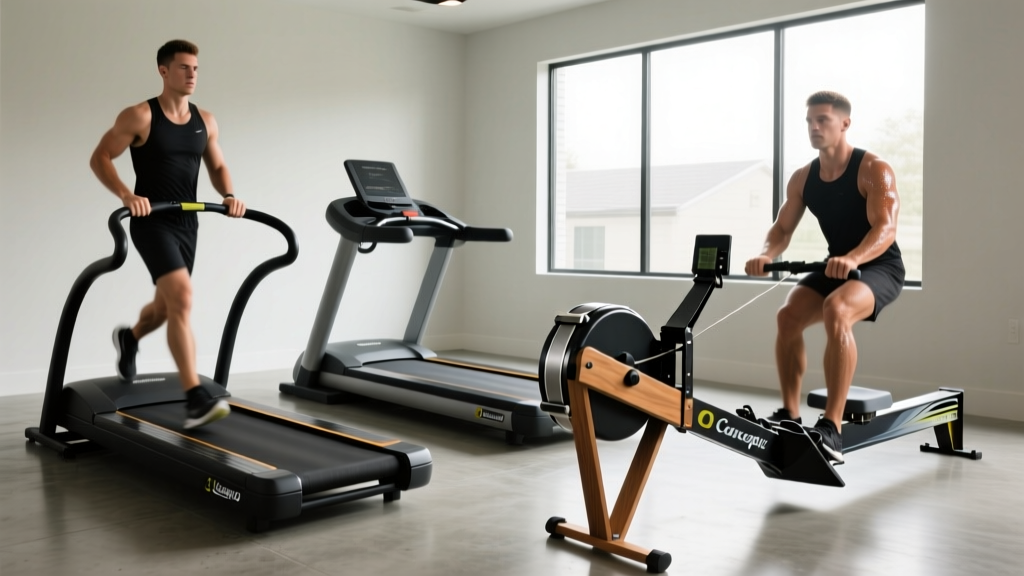
Treadmill vs Rower: Curved Manual vs Motorized Treadmill Showdown
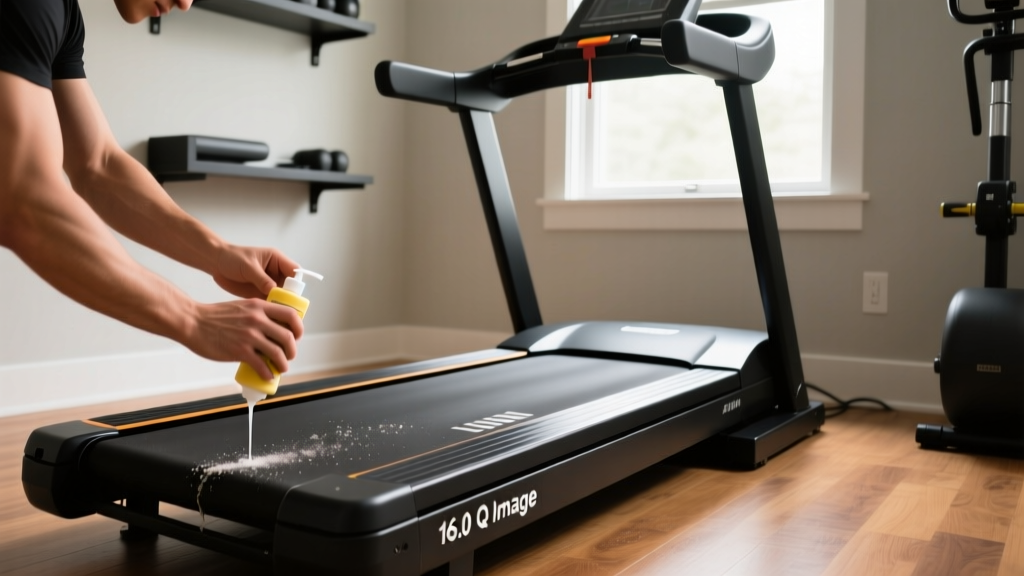
16.0 Q Image Treadmill Belt Maintenance for Compact Home Gyms

Side by Side Treadmill Guide: Dual Belt vs Wide Decks
