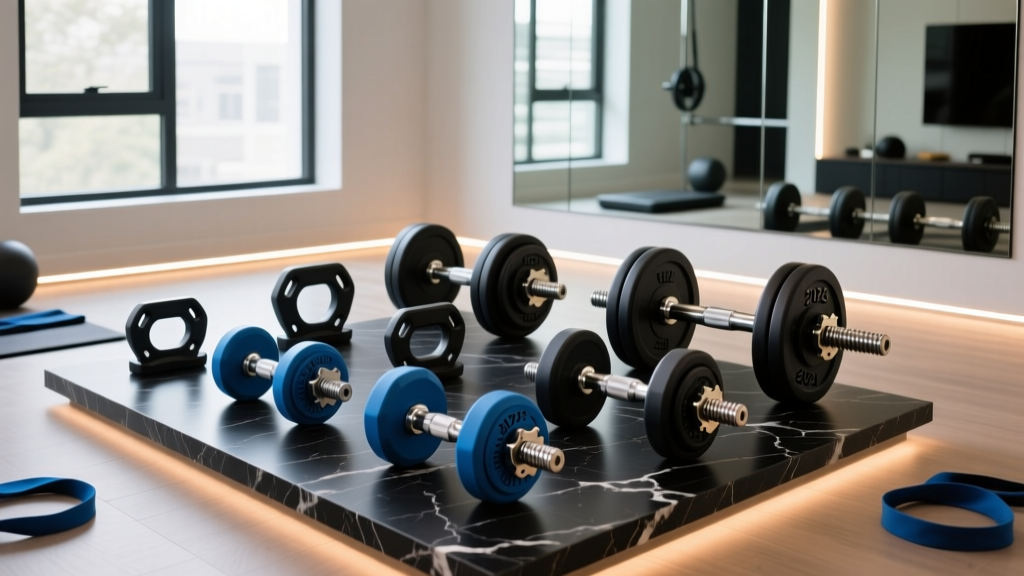
Collar Clamp Types Comparison: Beyond Good Forearm Workouts with Dumbbells
Troubleshoot barbell plate slippage with our 2026 collar clamp types comparison, and learn why grip strength isn't the culprit for shifting weights.

The metallic screech of weight plates sliding against a barbell sleeve during a heavy deadlift or back squat is one of the most alarming sounds in the gym. When plates shift, the barbell becomes asymmetrical, forcing your body to compensate and potentially leading to severe lower back or hip injuries. Interestingly, a common troubleshooting mistake among intermediate lifters is blaming this instability on weak wrists or poor grip. They assume their hands are slipping on the knurling, leading them down a rabbit hole of searching for good forearm workouts with dumbbells to 'stabilize' the bar. But no amount of wrist curling will overcome a 45-pound plate sliding three inches outward due to a failed clamp.
This guide serves as a comprehensive troubleshooting manual for barbell collar and clamp types. We will dissect the mechanical failure modes of modern collars, compare the top options available in 2026, and clarify when grip strength actually matters versus when you simply need better equipment.
The Grip Strength Fallacy: Troubleshooting Plate Slippage
Before investing time into grip conditioning, you must isolate the variable causing the instability. Plate slippage is a mechanical retention issue, not a biomechanical one. Standard Olympic barbell sleeves have a diameter of 50mm (± 0.1mm). When you load plates, the only thing preventing them from sliding off the 16.3-inch loadable sleeve length is the friction and clamping force of your collar.
Troubleshooting Checklist: Is it Your Grip or Your Collar?
- Bar rotates in your hands, but plates stay put: This is a grip/knurling issue. Time to focus on hand care and grip training.
- Plates rattle and shift outward during the eccentric phase: Your collar lacks adequate clamping force or the sleeve is excessively worn/lubricated.
- Collar physically slides off the sleeve mid-set: Catastrophic clamp failure (usually a broken cam lever or snapped polymer).
2026 Barbell Collar and Clamp Types Comparison Matrix
Not all collars are created equal. The market has evolved far beyond the cheap wire spring clips that come bundled with budget home gym sets. Below is a comparison of the primary collar architectures used in modern strength training.
| Collar Type | Industry Standard Model | Clamping Force | 2026 Price Range | Primary Failure Mode |
|---|---|---|---|---|
| Wire Spring Clip | Generic Hardware Store | < 15 lbs | $3 - $8 / pair | Metal fatigue, loss of tension |
| Lever Lock (Aluminum) | Rogue AH-1 Aluminum | ~ 150 lbs | $25 - $32 / pair | Nylon cam wear on chrome sleeves |
| Polymer Lock-Jaw | Lock-Jaw Pro 2 | ~ 120 lbs | $35 - $45 / pair | O-ring dry rot, hinge snapping |
| Screw-Down (Steel) | Eleiko Olympic Collar | 300+ lbs | $60 - $85 / pair | Thread stripping, slow to apply |
Deep Dive: Troubleshooting Collar Failure Modes
Choosing the right collar requires understanding how different barbell sleeve finishes interact with collar materials. A mistake here will lead to premature equipment degradation.
1. The Lever Lock Cam Degradation
Aluminum lever collars, like the ubiquitous Rogue AH-1, use a hardened nylon or Delrin cam to bite into the barbell sleeve. Troubleshooting tip: If you use these on bare steel or heavily oxidized sleeves, the metal burrs will shave off microscopic layers of the nylon cam. Over 12 to 18 months, the cam loses its bite radius, resulting in the lever snapping shut but failing to apply lateral pressure. Fix: Use lever locks exclusively on zinc, chrome, or ceramic-coated sleeves, and replace the collars every two years in high-volume commercial environments.
2. Polymer O-Ring Dry Rot in Cold Garages
Lock-Jaw style clamps rely on a thick rubber O-ring to provide the tension that keeps the polymer jaws locked. If your home gym is in an unheated garage where temperatures drop below 40°F (4°C) in the winter, the elastomer O-rings lose their elasticity and become brittle. When you force the clamp shut on a 50mm sleeve in cold conditions, the O-ring can snap. Fix: Store polymer collars indoors at room temperature, and apply a light coat of silicone grease to the O-rings bi-annually to preserve the rubber durometer.
3. The Danger of Spring Clips on Ceramic Bars
Ceramic-coated barbells (like the Rogue Cerakote series) have become incredibly popular for their corrosion resistance. However, using metal wire spring clips on ceramic sleeves is a catastrophic mistake. The hardened steel wire will scratch and gouge the ceramic coating, voiding your barbell's warranty and exposing the underlying steel to rust.
Equipment Warning: Never use metal spring clips on ceramic, hard chrome, or stainless steel sleeves if you care about the resale value or aesthetic integrity of your barbell. Always use polymer-lined lever locks or screw-down collars.
When Grip Actually Matters: Good Forearm Workouts with Dumbbells
Once you have secured your plates with a high-quality lever or screw-down collar, the lateral stability of the barbell is solved. However, if the barbell is still rotating out of your hands during heavy Romanian deadlifts or barbell rows, you have a genuine grip strength deficit. According to research published in the National Institutes of Health, grip strength is not just a localized muscular trait, but a critical biomarker for overall neuromuscular function and force transmission.
If your troubleshooting confirms that your hands, not your collars, are the weak link, it is time to implement targeted grip training. While heavy barbell holds are great, isolating the flexors and extensors is crucial for joint health. Here are three highly effective, good forearm workouts with dumbbells that you can integrate into your 2026 training block:
A. Hex Dumbbell Pinch Holds (Static Grip)
Standard rubber-coated hex dumbbells are perfect for this. Instead of wrapping your hand around the handle, pinch the wide, flat heads of the dumbbell.
- Execution: Grab the top and bottom edges of a 35lb or 45lb hex dumbbell head using a claw-grip pinch.
- Prescription: 3 sets of 20-30 second holds per hand.
- Troubleshooting: If your thumb gives out first, you have a severe adductor pollicis weakness. Focus on squeezing the thumb and index finger together.
B. Eccentric-Heavy Dumbbell Wrist Curls
Most lifters cheat wrist curls by using momentum. To build the flexor carpi radialis for better barbell knurling purchase, you must overload the eccentric phase.
- Execution: Rest your forearm on a bench, holding a 25-40lb dumbbell. Curl the weight up concentrically in 1 second, but lower it eccentrically over a strict 4-second count until your fingers open slightly.
- Prescription: 4 sets of 12 reps per arm.
C. Dumbbell Farmer’s Carries with Towel Wraps
Wrap a thick gym towel around the handle of a heavy dumbbell. This artificially increases the handle diameter from the standard 35mm to over 60mm, mimicking the mechanics of an axle bar and forcing your forearm flexors into overdrive.
Sleeve Maintenance: The Forgotten Variable
Even the best $80 Eleiko screw-down collars will fail if your barbell sleeves are caked in chalk dust, dead skin, and oxidized metal shavings. Friction is a two-way street; if the sleeve is too slick from oil, plates slide; if it's caked in chalk, the collar cannot seat flush against the inner bearing housing.
The 2026 Sleeve Cleaning Protocol:
- Wipe down the 50mm sleeve with a microfiber cloth after every session to remove loose chalk.
- Once a month, use a nylon bristle brush and a light application of 3-in-One oil or barbell-specific sleeve lubricant to break down chalk compaction.
- Wipe completely dry before loading plates. A slightly oiled sleeve reduces bearing wear during Olympic lifts but requires a high-clamping-force lever collar to prevent plate drift.
For more objective data on testing your baseline grip strength to determine if your forearms are actually the limiting factor in your deadlift, consult the standardized testing protocols outlined by orthopedic and biomechanical research guidelines.
Final Verdict
Stop blaming your wrists for shifting weight plates. Invest $30 in a pair of Rogue AH-1 lever collars or a Lock-Jaw Pro set, and reserve your physical energy for actual grip conditioning. By correctly diagnosing whether your instability is a mechanical equipment failure or a biological grip deficit, you can train safer, lift heavier, and extend the lifespan of your expensive barbells.
More gear to consider
All reviews
Top Dumbbell Racks & Storage for Quad Focused Dumbbell Exercises

Beyond the Dumbbell Leg Day: Cast Iron vs Competition Kettlebells
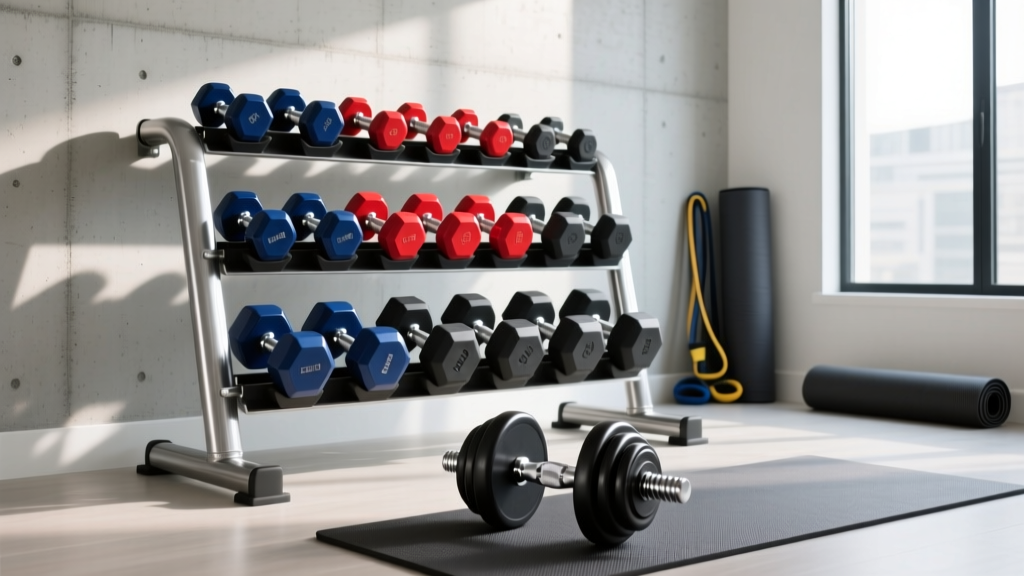
Rack Maintenance for a Full Body Home Workout With Dumbbells
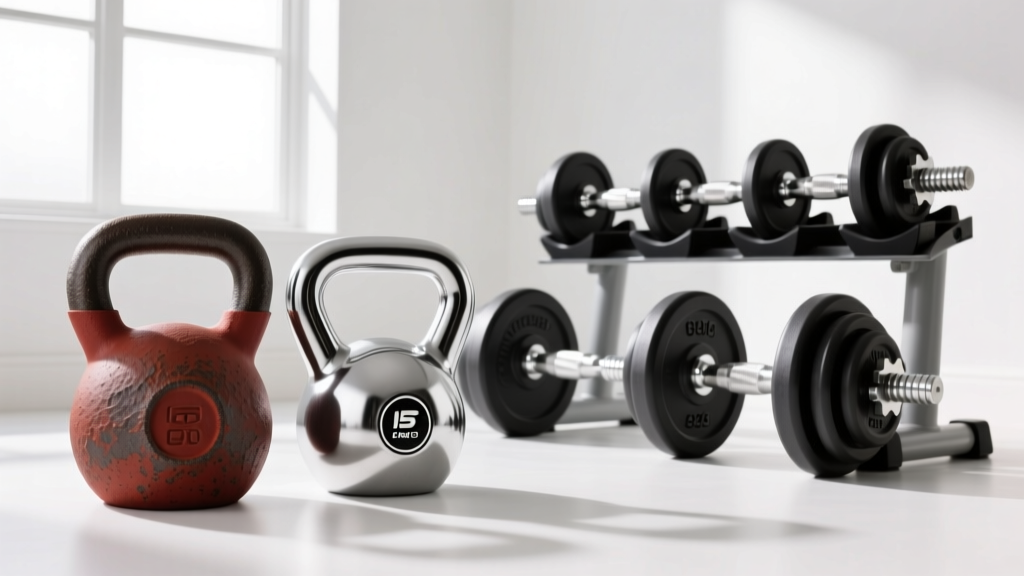
Cast Iron vs Competition Kettlebells & Dumbbell Bent Rows Value
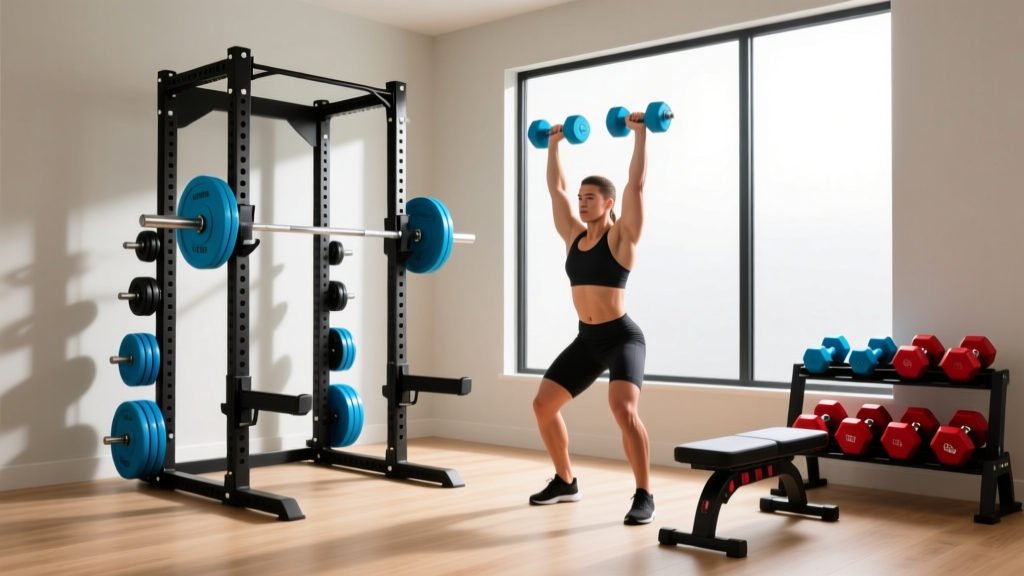
Squat Stand vs Power Rack Setup: Space for the Dumbbell Upward Row
