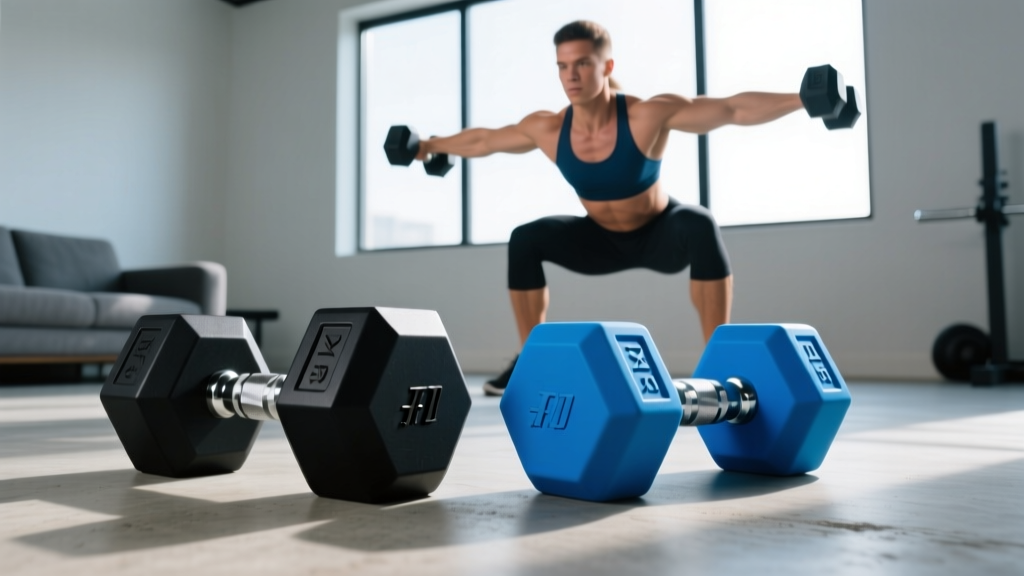
Cast Iron vs Competition: 30 Minute Upper Body Dumbbell Workout
Compare cast iron vs competition kettlebell value in 2026. Discover the best ROI to supplement your 30 minute upper body dumbbell workout routines.

Beyond the Dumbbell: Why Add Kettlebells to Your Arsenal?
You have already dialed in your 30 minute upper body dumbbell workout, hitting your pressing, pulling, and isolation volume with precision. Dumbbells are unparalleled for bilateral hypertrophy and joint-friendly range of motion. However, they lack the offset center of mass required for high-velocity ballistic movements like swings, cleans, and snatches. To unlock posterior chain power and offset core stability, integrating kettlebells is the logical next step.
But as you step into the market, you are immediately confronted by a stark pricing divide: Cast Iron vs. Competition Kettlebells. Why does one style cost nearly triple the other? Is the premium justified for a home gym generalist, or is it merely a tax for competitive sport athletes? In this 2026 value analysis, we break down the exact cost-per-pound, biomechanical edge cases, and hidden maintenance costs to help you maximize your equipment ROI.
The Tale of the Tape: Physical & Biomechanical Differences
Before analyzing the budget, we must understand what you are actually paying for. The physical architecture of these two tools dictates how they interact with your grip, wrists, and forearms during high-rep sets.
Standard Cast Iron Kettlebells
- Dimensions: Variable. A 12kg bell is physically smaller than a 24kg bell.
- Handle Diameter: Typically ranges from 32mm to 38mm+, scaling up with the weight of the bell.
- Horn Width: Wider and more rounded, which can cause the bell to sit awkwardly on the forearm during rack positions.
- Material: Solid cast iron, usually finished with an e-coat or powder coat.
Competition Grade Kettlebells
- Dimensions: Strictly uniform. Every bell from 8kg to 48kg measures exactly 210mm wide by 280mm tall.
- Handle Diameter: A standardized 33mm, regardless of weight.
- Horn Width: Narrower and flatter, designed specifically to rest flush against the forearm without digging into the wrist.
- Material: Steel shell with a dense internal core (often sand or ball bearings) to achieve the target weight while maintaining uniform volume.
During a standard 30 minute upper body dumbbell workout, the dumbbell rests cleanly in the hand or on the shoulder for presses. Kettlebells, however, require the 'rack position' (bell resting against the forearm and chest). A heavy cast iron bell with a 38mm handle and wide horns forces the wrist into extreme extension, causing bruising and premature grip fatigue. A competition bell's 33mm handle and narrow horns allow it to sit flush against the forearm, saving your wrists during high-rep clean and jerk or front squat sessions.
2026 Market Pricing & Cost-Per-Pound Matrix
Let us look at the hard numbers. Based on current 2026 market data from top-tier manufacturers like Rogue Fitness, Rep Fitness, and Kettlebell Kings, here is the budget breakdown for a standard starter set (16kg, 20kg, and 24kg — totaling roughly 132 lbs).
| Metric | Cast Iron (Powder Coat) | Competition Grade (Steel) |
|---|---|---|
| Average Cost Per Pound | $1.60 - $2.20 / lb | $3.80 - $5.50 / lb |
| Estimated 3-Bell Set Cost (132 lbs) | $210 - $290 | $500 - $725 |
| Shipping Surcharge (Freight) | Often Free / Included | $40 - $90 (Heavy Freight) |
| Resale Value Retention | Moderate (50-60%) | High (75-85%) |
Scenario Analysis: Which Offers Better ROI?
Value is not just about the lowest price; it is about the utility you extract per dollar spent. Let us break down the value proposition based on your specific training goals.
Scenario A: The Home Gym Generalist (Value Winner: Cast Iron)
If your primary routine is a structured 30 minute upper body dumbbell workout, and you are adding kettlebells strictly for posterior chain conditioning (e.g., 5 sets of 20 heavy swings at the end of your session) or goblet squats, cast iron is the undisputed value champion. The variable dimensions do not matter for swings, and the thicker handle actually provides a superior grip-strength stimulus for heavy carries and farmer's walks. Paying a 150% premium for competition bells in this scenario yields zero functional return on investment.
Scenario B: The Sport & Technique Purist (Value Winner: Competition)
If you are transitioning into high-rep ballistic complexes, kettlebell sport (Girevoy), or flow routines involving tactical lunges and snatches, competition bells are a mandatory investment. According to biomechanical guidelines highlighted by the National Strength and Conditioning Association (NSCA), maintaining a neutral wrist alignment under load is critical for injury prevention during high-volume Olympic-style lifts. The uniform 33mm handle and flat horns of a competition bell prevent the wrist bruising and grip blowouts that inevitably occur with thick-handled cast iron during 10-minute AMRAP snatch tests.
Hidden Costs: Coatings, Maintenance, and Grip Tears
When calculating your budget, you must factor in the hidden costs of ownership and maintenance.
- The Powder Coat Tax: Many budget cast iron bells use an aggressive, sandy powder coat to prevent rust. While durable, this texture acts like sandpaper on your palms during high-rep swings, leading to torn calluses. You will need to spend time sanding down the handle with 100-grit sandpaper or applying a layer of car wax to smooth it out.
- E-Coat Vulnerability: Premium cast iron bells often use an e-coat (electrophoretic deposition). It feels incredibly smooth and preserves the machined steel texture, but it offers minimal rust resistance. If your home gym is in a humid garage, you must regularly wipe the bells down with a light coat of 3-IN-ONE oil or mineral oil, adding a recurring maintenance cost.
- Chalk Compatibility: Competition bells, typically finished with a high-grade smooth powder coat or painted steel, hold gym chalk exceptionally well. Cast iron e-coats often become dangerously slippery when chalk is applied over sweat, forcing you to rely heavily on grip strength rather than friction.
Pro-Tip on Grip Care: Whether you choose cast iron or competition, the offset load of a kettlebell places immense shear force on the palmar fascia. The American Council on Exercise (ACE) recommends actively shaving down calluses with a pumice stone twice a week to prevent the deep, painful tears that can derail your upper body pulling workouts for weeks.
The Final Decision Framework
Use this quick checklist to finalize your purchasing decision:
- Buy Cast Iron If: You want maximum weight for your dollar, your primary use is swings/goblet squats/carries, you have limited space (smaller bells take up less floor space), and you want to build raw, crushing grip strength.
- Buy Competition If: You are practicing cleans, snatches, and jerks; you have sensitive wrists that bruise easily; you are training for a specific kettlebell certification or sport event; or you want equipment that retains high resale value.
Frequently Asked Questions
Can I mix cast iron and competition kettlebells in the same workout?
Yes, but it is not recommended for bilateral movements like double front squats or double cleans. The differing handle diameters (33mm vs 35mm+) and horn widths will cause asymmetrical wrist extension, leading to uneven loading and potential joint strain. Stick to one style for paired exercises.
Are adjustable kettlebells a good budget alternative?
Adjustable kettlebells (like the Bowflex SelectTech or KettleFit) offer a great cost-per-pound ratio for slow, grind-based movements like presses and squats. However, they are generally unsafe and structurally unsound for high-velocity ballistic movements like swings and snatches due to the risk of the weight plates dislodging mid-rep. For ballistic integration alongside your dumbbell routines, solid cast iron remains the safest and most economical choice.
More gear to consider
All reviews
EZ Curl vs Straight Bar: Rogue Bar & Dumbbell Care

Loadable Dumbbells & Dumbbell Upright Row Muscles Worked Guide
2026 Plate Market: Bumper vs Iron & The Dumbbell Push Trend

How Many Times Should I Lift Dumbbells a Day? Neoprene Beginner Guide

Single-Arm Dumbbell Rows: Adjustable Dumbbell Mistakes & Top Picks