Cast Iron vs Competition Kettlebells: Budget Guide & Red Dumbbells Value
Analyze the 2026 costs of cast iron vs competition kettlebells. Discover budget breakdowns, value metrics, and when to pivot to red dumbbells instead.

The 2026 Free Weight Dilemma: Ballistics vs. Hypertrophy
When allocating a home gym budget in 2026, the line between essential and luxury gear is defined by cost-per-pound and biomechanical utility. For athletes focused on functional fitness, the debate between cast iron and competition kettlebells is a cornerstone of equipment planning. However, as inflation continues to shift pricing tiers across the fitness industry, many lifters are re-evaluating their free weight investments. This comprehensive budget breakdown dissects the true cost of ownership for cast iron versus competition steel kettlebells, while also exploring a highly searched alternative: the strategic pivot to premium red dumbbells for hypertrophy-focused home gyms.
Budget Snapshot: Cost Per Pound (2026 Averages)
- Cast Iron Kettlebells: $1.80 - $2.60 / lb
- Competition Kettlebells: $3.50 - $5.20 / lb
- Urethane Red Dumbbells (Fixed): $2.80 - $3.90 / lb
Cast Iron Kettlebells: The Hardstyle Workhorse
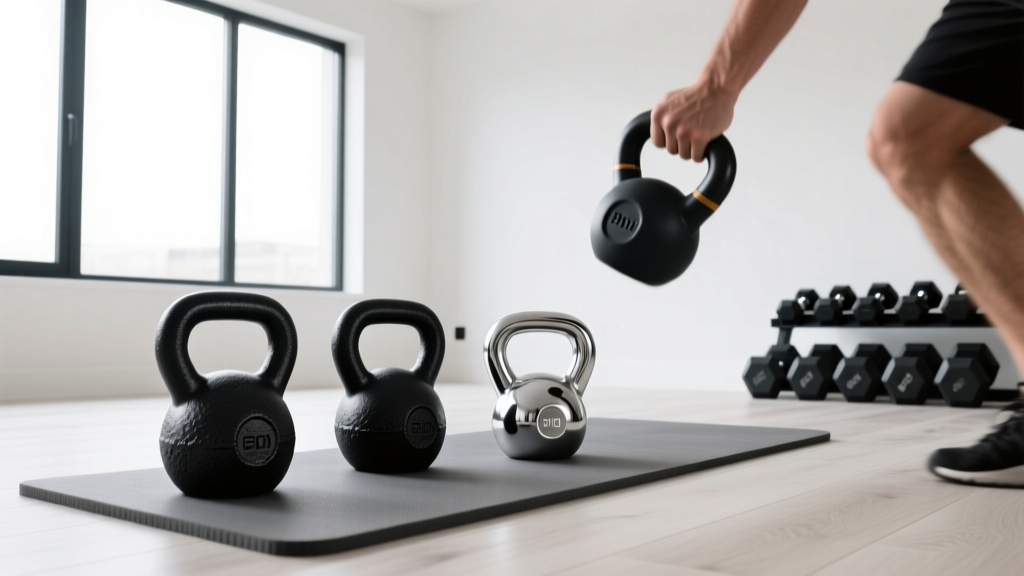
Cast iron kettlebells are the undisputed champions of Hardstyle training, a methodology popularized by organizations like StrongFirst. These bells are characterized by their dense, compact profiles and thicker, arcing handles designed for two-handed swings, goblet squats, and heavy presses.
Pricing & Value Analysis
In 2026, a high-quality cast iron kettlebell from brands like Rogue Fitness or Kettlebell Kings typically costs between $1.80 and $2.60 per pound. A standard 24kg (53 lb) bell will set you back roughly $110 to $140. The value proposition here is immense for lifters who prioritize raw strength and power output over high-repetition endurance.
Finish and Handle Dynamics
Not all cast iron is created equal. The two primary finishes dictate both price and longevity:
- Powder Coat: Adds a textured grip that holds chalk exceptionally well. Ideal for heavy, low-rep sets. However, it can be abrasive on the wrists during high-rep cleans.
- E-Coat (Electro-Coating): A thinner, smoother finish that preserves the machining marks of the iron. It feels better bare-handed but is more prone to chipping and rusting if dropped on bare concrete or stored in humid garages.
Expert Insight: The handle diameter on cast iron bells scales with weight. A 12kg bell might feature a 33mm handle, while a 32kg beast can swell to 40mm. This variance forces your grip to adapt, which is excellent for forearm development but detrimental if you are trying to perfect a consistent competition-style snatch technique.
Competition Steel Kettlebells: The Girevoy Sport Standard
Competition kettlebells are engineered for Girevoy Sport (GS) and high-rep metabolic conditioning. Unlike their cast iron counterparts, competition bells are made from hollow steel shells filled with ballast to achieve precise weights. The defining feature, as recognized by the National Strength and Conditioning Association (NSCA) for sport-specific conditioning, is their uniform dimension: an 8kg bell is the exact same physical size as a 32kg bell.
The Uniform Dimension Advantage
Every competition kettlebell features a strict 35mm handle diameter and a standardized window height. This consistency means your biomechanics, rack position, and snatch trajectory remain identical whether you are warming up with a 12kg or maxing out with a 24kg. For athletes pursuing GS certifications or engaging in 10-minute snatch tests, this uniformity is non-negotiable.
The Premium Price Tag
The manufacturing complexity of welding steel shells and calibrating internal ballast drives the price up significantly. Expect to pay $3.50 to $5.20 per pound. A single 24kg competition bell from Kettlebell Kings or Rogue will cost between $190 and $250. Furthermore, competition bells are color-coded by the shell paint (e.g., Yellow for 16kg, Green for 24kg, Red for 32kg), which eventually chips with heavy use, revealing the raw steel beneath.
The Budget Pivot: When to Buy Red Dumbbells Instead
Many home gym builders hit a financial wall when pricing out a full set of competition kettlebells and pivot their search toward traditional dumbbells. Specifically, the search for red dumbbells has surged in 2026. But why the specific color focus?
In commercial and premium home gyms, 'red dumbbells' typically refers to color-coded urethane hex dumbbells. In standardized commercial rack sequences (like those from Rep Fitness or Fringe Sport), red urethane universally designates specific weight tiers—most commonly the 35 lb or 55 lb increments. Alternatively, in the budget fitness space, red neoprene dumbbells dominate the high-rep aerobic and Pilates market.
Hypertrophy vs. Ballistics: The ROI Breakdown
If your primary training goal is strict hypertrophy, unilateral isolation, and bilateral pressing, kettlebells are inherently limited by their offset center of mass. Investing $250 into a pair of 35 lb red urethane dumbbells (averaging $3.57/lb) yields a higher daily utility for bodybuilding than a single 16kg competition kettlebell ($4.50/lb). Urethane is virtually indestructible, won't chip like steel shells, and the vibrant red color-coding allows for instant weight identification in a busy home gym environment.
According to biomechanical analyses referenced by ACE Fitness, dumbbells provide a superior range of motion for exercises like chest flyes, lateral raises, and strict bicep curls, making red urethane dumbbells a vastly superior ROI for lifters prioritizing muscle isolation over ballistic power.
Head-to-Head Cost Matrix: $750 Budget Allocation
How should you deploy a $750 free-weight budget in 2026? The table below illustrates three distinct purchasing strategies based on training methodology.
| Strategy | Equipment Acquired | Total Cost (Approx) | Best For |
|---|---|---|---|
| Hardstyle Purist | 16kg, 24kg, 32kg Cast Iron KBs | $680 | Power, Strength, RKC Prep |
| Sport Endurance | 16kg & 24kg Competition KBs + 12kg Warmup | $740 | Girevoy Sport, Snatch Tests |
| Hypertrophy Pivot | Pair of 35lb Red Urethane Dumbbells + 16kg Cast Iron KB | $720 | Bodybuilding, Isolation, General Fitness |
Real-World Failure Modes & Edge Cases
When analyzing value, you must account for how equipment degrades over time. Here are the non-obvious failure modes for each category:
1. Cast Iron Seam Tearing
Cheaper cast iron kettlebells are cast in two halves and welded at the handle seams. During high-rep snatches, the friction combined with the structural weak point can cause the handle to snap or tear at the horn. Always inspect the underside of the handle for smooth, continuous machining before purchasing.
2. Competition Shell Denting
Because competition bells are hollow steel, dropping a 24kg bell from overhead onto a concrete garage floor will dent the shell. While this doesn't affect the weight, it ruins the aesthetic and can create sharp edges that damage flooring or shins during cleans.
3. Urethane Odor & Degradation
When buying red urethane dumbbells, ensure you are purchasing virgin urethane, not recycled rubber masked with a urethane topcoat. Recycled rubber off-gasses volatile organic compounds (VOCs) that can make a poorly ventilated home gym smell like burning tires for months, and the red pigment will flake off onto your hands and clothing.
Final Verdict: Maximizing Your Free Weight ROI
The choice between cast iron, competition steel, and traditional dumbbells ultimately hinges on your specific training adaptations. If you are chasing the 10-minute snatch test or pursuing StrongFirst certification, the premium cost of competition steel is a mandatory investment in biomechanical consistency. If you want raw, unadulterated strength and power, cast iron provides the best cost-per-pound ratio on the market.
However, if your 2026 goals lean heavily toward muscle hypertrophy, joint-friendly isolation work, and traditional bodybuilding, do not feel pressured to overspend on kettlebells. Pivoting your budget toward a high-quality pair of color-coded red dumbbells and supplementing with a single, versatile 16kg cast iron kettlebell offers the most balanced, durable, and cost-effective home gym setup available today.
More gear to consider
All reviews
Dumbbell Racks & Storage: Perfecting Dumbbell Military Press Form

Beyond the 30 Pound Dumbbell Workout: Bumper vs Iron Plate Care

Barbell Collar Types & Setup for a Dumbbell Lateral Raise Drop Set

EZ Curl Bar vs Straight Bar & Black Widow Dumbbell Cart
Top 2026 Dumbbell Racks to Support Dumbbell Row Muscles Workouts