Bumper Plate vs Iron Plate: Protecting Your Delt Fly Dumbbell Gear
Compare bumper plate vs iron plate maintenance. Learn how plate choice impacts gym longevity, flooring, and delicate gear like your delt fly dumbbell setup.

The Hidden Cost of Plate Choice: Iron vs. Bumper Maintenance
When outfitting a home or commercial gym, the debate between bumper plates and cast iron plates usually centers on drop-safety and acoustic noise. However, from a strict maintenance and longevity perspective, your choice of weight plates dictates the wear-and-tear on your entire facility ecosystem. This includes your flooring, your power racks, and highly sensitive isolation equipment—most notably, your rear delt fly dumbbell stations and adjustable dumbbell sets.
In this comprehensive guide, we break down the bumper plate vs iron plate comparison through the lens of long-term equipment care. We will explore material degradation, environmental vulnerabilities, and the hidden physics of vibration transfer that can silently destroy the intricate mechanisms of your favorite isolation gear.
Material Degradation: How Bumpers and Iron Age Over Time
Both virgin rubber bumpers and cast iron plates require distinct maintenance protocols to survive a decade of heavy use. According to BarBend's comprehensive plate guide, the fundamental difference lies in how each material reacts to environmental stressors like humidity, UV exposure, and mechanical shock.
| Feature | Virgin Rubber Bumpers (e.g., Rogue Echo) | Crumb Rubber Bumpers (e.g., Fringe Sport) | Cast Iron / Enamel Plates (e.g., CAP Barbell) | Machined Steel Plates |
|---|---|---|---|---|
| Primary Threat | UV Ozone Cracking | Flaking & Edge Compression | Oxidation (Rust) & Enamel Chipping | Surface Scratching & Corrosion |
| Maintenance Need | Silicone / UV Protectant Spray | Gentle Wiping, Avoid Solvents | Wire Brushing, Oil Coating | Microfiber Dusting, Light Oil |
| Humidity Tolerance | High (Impervious to rust) | High (Impervious to rust) | Low (Requires <50% RH) | Medium (Depends on finish) |
| Avg. Cost (2026) | $3.50 - $4.50 / lb | $2.50 - $3.25 / lb | $1.50 - $2.00 / lb | $4.00 - $6.00 / lb |
The Physics of Impact: Vibration Transfer and Equipment Longevity
Why does your plate choice matter for accessories? The answer is high-frequency vibration transfer. When a 45lb cast iron plate is dropped onto standard horse stall mats, it generates a sharp, high-frequency acoustic shockwave. This kinetic energy travels laterally through the subfloor and into the framing of nearby equipment.
⚠️ The Delt Fly Dumbbell Vulnerability
Precision isolation gear is highly susceptible to micro-vibrations. If you regularly perform heavy Olympic lifts and drop iron plates, the resulting floor shockwaves can cause severe long-term damage to adjacent equipment:
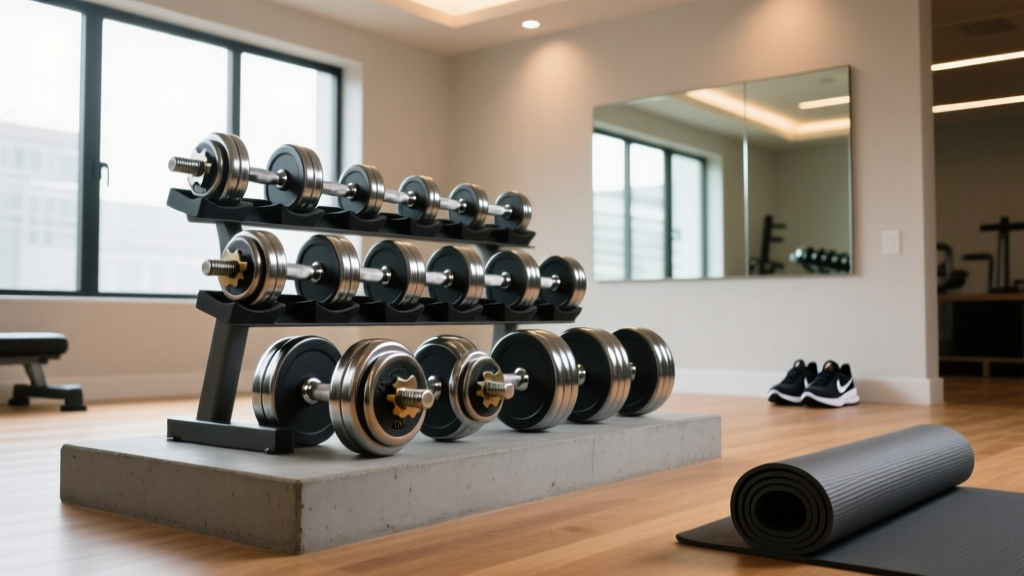
- Adjustable Dumbbells: Premium adjustable dumbbells (like the Nuobell 80lb or PowerBlock Pro) rely on intricate internal dial mechanisms and selector pins. Chronic vibration can loosen internal retention clips, causing weight plates to slip during a rear delt fly dumbbell exercise.
- Dedicated Machines: A chest-supported rear delt fly dumbbell station features pivot bolts, upholstery stitching, and welded joints. Iron plate shockwaves gradually back out hex bolts and cause micro-fractures in upholstery thread, drastically shortening the machine's lifespan.
Conversely, high-quality bumper plates with a Shore A durometer rating of 65-70 absorb and disperse kinetic energy vertically. As noted by Garage Gym Reviews, the dead-bounce nature of crumb rubber bumpers practically eliminates lateral vibration transfer, creating a stable, safe environment for your delicate isolation gear.
Step-by-Step Maintenance Protocols
To maximize the ROI of your free weight investment, implement these specific care routines based on your plate material.
Cast Iron Plate Remediation and Care
Iron plates are notorious for developing surface rust, especially in garage gyms where humidity fluctuates. If your iron plates develop oxidation, follow this 3-step restoration process:
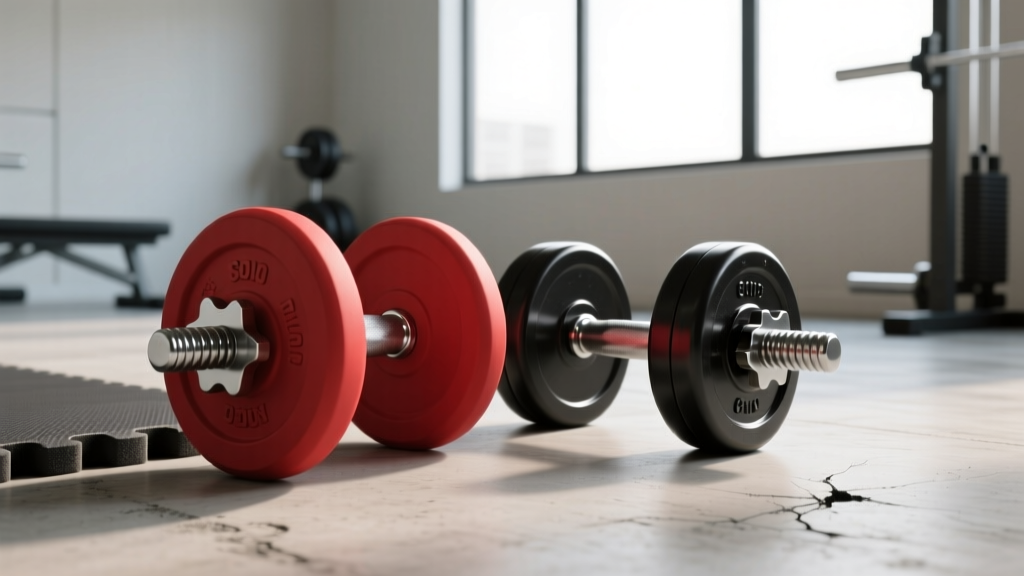
- Mechanical Removal: Use a brass-bristle wire brush (never steel, which can embed particles and cause worse rust) to scrub away flaking oxidation. For deep pitting, use a 120-grit sanding sponge.
- Chemical Neutralization: Wipe the plates down with mineral spirits to remove dust and old grease. Allow to dry completely for 2 hours.
- Protective Sealing: Apply a micro-thin layer of 3-IN-ONE Multi-Purpose Oil or WD-40 Specialist Corrosion Inhibitor. Wipe off all excess with a microfiber cloth. Never use standard WD-40 as a long-term protectant; it is a solvent, not a lubricant.
Bumper Plate Preservation
Rubber bumpers do not rust, but they suffer from ozone degradation and UV drying, which leads to the dreaded 'dry rot' cracking around the steel hub.
- Cleaning: Wipe down with a damp microfiber cloth and a mild, pH-neutral dish soap. Avoid bleach, ammonia, or solvent-based degreasers, which strip the rubber of its natural plasticizers.
- UV & Ozone Protection: Every 90 days, apply a light coat of 303 Aerospace Protectant. This acts as a sunscreen for your bumpers, preventing the rubber from turning chalky and brittle.
- Hub Maintenance: The steel insert hub is the only metal part of a bumper plate. Check the hub-to-rubber bond annually. If you see separation, a dab of flexible polyurethane adhesive (like Loctite PL Premium) can prevent the hub from pushing through during overhead drops.
Expert Insight: "The most common failure point for budget bumper plates isn't the rubber tearing; it's the steel hub warping due to improper storage. Always store plates vertically on a dedicated tree or rack. Leaving heavy bumpers stacked flat on the floor for months will compress the bottom plates, causing them to wobble on the barbell sleeve."
Environmental Controls: The Ultimate Longevity Hack
Whether you choose the Rogue Fitness Echo Bumper specifications or vintage York cast iron, your gym's ambient environment is the ultimate deciding factor in equipment longevity.
Target Parameters for 2026 Home Gyms:
- Relative Humidity (RH): Maintain between 40% and 50%. Anything above 55% will trigger rapid flash-rusting on iron plates, barbells, and the selector rods of your adjustable delt fly dumbbells. Use a smart dehumidifier linked to a humidistat.
- Temperature: Keep the space above 50°F (10°C). Extreme cold makes rubber bumper plates brittle. Dropping a frozen bumper plate can cause it to shatter like glass, voiding the manufacturer's warranty instantly.
- Airflow: Stagnant air traps moisture against metal surfaces. Install an oscillating wall fan to keep air moving across your weight trees and dumbbell racks.
Final Verdict: Building a Sustainable Gym Ecosystem
The bumper plate vs iron plate comparison ultimately comes down to your training style and your willingness to perform routine maintenance. If your programming involves high-volume Olympic weightlifting or CrossFit-style dropping, virgin or crumb rubber bumpers are non-negotiable. They protect your subfloor, your power rack's cross-members, and the delicate internal mechanisms of your isolation gear, ensuring your rear delt fly dumbbell exercises remain safe and precise.
However, if you are a strict bodybuilder or powerlifter who controls every eccentric descent and never drops weights, machined or enameled iron plates offer a superior, space-efficient, and budget-friendly option—provided you commit to strict humidity control and bi-annual oiling. By matching your plate material to your maintenance bandwidth, you ensure that every piece of gear in your gym, from the heaviest barbell to the smallest adjustable dumbbell, survives for decades.
More gear to consider
All reviews
Barbell Buying Guide: Knurling & Hip Thrusts with Dumbbell on Floor

Neoprene Dumbbell Setup & Dumbbell Shoulder Press for Women

EZ Curl vs Straight Bar Care: Longevity for Arm Days & Exercises for Pectoral Muscles with Dumbbells

Top Neoprene Dumbbells for Single Dumbbell Rows: 2026 Test

Top Storage Racks for 120 Dumbbells: 2026 Expert Review