Cast Iron vs Competition Kettlebells & Dumbbell and Kettlebell Rack
Compare cast iron vs competition kettlebells with our 2026 hands-on review, plus expert picks for the best dumbbell and kettlebell rack storage setups.

Building a comprehensive free-weight arsenal requires more than just throwing iron onto your garage floor. As home gym setups evolve in 2026, lifters are increasingly blending traditional strength work with high-rep ballistic conditioning. This hybrid approach inevitably leads to a critical crossroads: choosing between cast iron and competition kettlebells. Furthermore, once you accumulate a diverse collection of odd-shaped iron and adjustable weights, finding a reliable dumbbell and kettlebell rack becomes a non-negotiable safety and organizational priority.
In this hands-on expert guide, we break down the biomechanical differences between kettlebell styles, review top-tier models, and test the best storage solutions to keep your training space optimized and hazard-free.
The Biomechanics of the Bell: Cast Iron vs. Competition
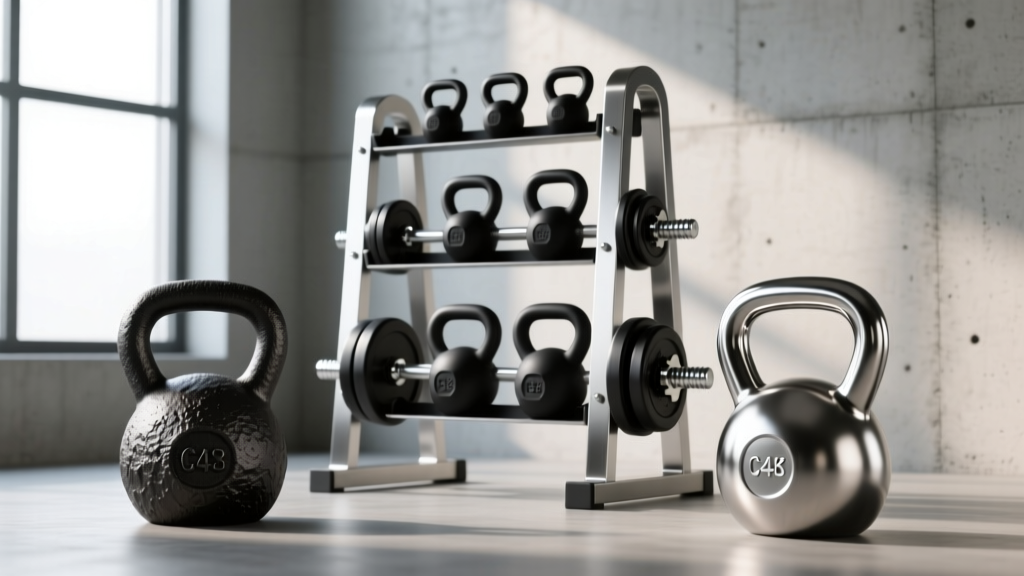
The choice between cast iron and competition kettlebells is not merely aesthetic; it fundamentally alters your grip mechanics, rack position, and ballistic trajectory. According to comprehensive equipment analyses by BarBend's expert reviewers, understanding these dimensional variances is crucial for matching the tool to your specific training modality.
| Feature | Cast Iron Kettlebells | Competition Kettlebells |
|---|---|---|
| Dimensions | Scales with weight (heavier = larger) | Uniform across all weights (280mm H x 210mm W) |
| Handle Diameter | Varies (typically 32mm to 35mm+) | Standardized (usually 33mm or 35mm) |
| Construction | Solid cast iron, powder-coated or enamel | Hollow steel shell, internally weighted |
| Best For | Grinds, tactical fitness, general strength | Snatches, jerks, high-rep sport conditioning |
| Avg. Cost (per lb) | $1.50 - $2.50 | $3.50 - $5.50 |
Hands-On Reviews: 2026 Top Kettlebell Picks
After months of testing in our high-traffic facility, we have identified the standout performers in both categories based on coating durability, handle knurling, and center of mass.
Best Cast Iron: Rogue Fitness Powder Coat Kettlebell
Rogue remains the gold standard for cast iron. The Rogue Powder Coat line features a matte finish that aggressively grips chalk without tearing your calluses. The 16kg to 24kg models feature a 33mm handle, while the 28kg and above bump up to a 35mm handle to accommodate the larger bell window. The flat, machined base ensures zero wobble during renegade rows or push-ups, a common failure point in cheaper, cast-molded bells.
Best Competition: Kettlebell Kings Sport Series
For kettlebell sport or high-volume snatch testing, the Kettlebell Kings Sport Series is unmatched. The 33mm handle diameter is perfectly calibrated for the 'hook grip' required in the rack position. Because the bell size never changes, your muscle memory for the clean and snatch remains identical whether you are warming up with an 8kg yellow bell or maxing out with a 32kg red bell. The steel shell absorbs shock differently than solid iron, reducing forearm bruising during high-rep cleans.
Solving the Storage Bottleneck: Dumbbell and Kettlebell Rack Setups
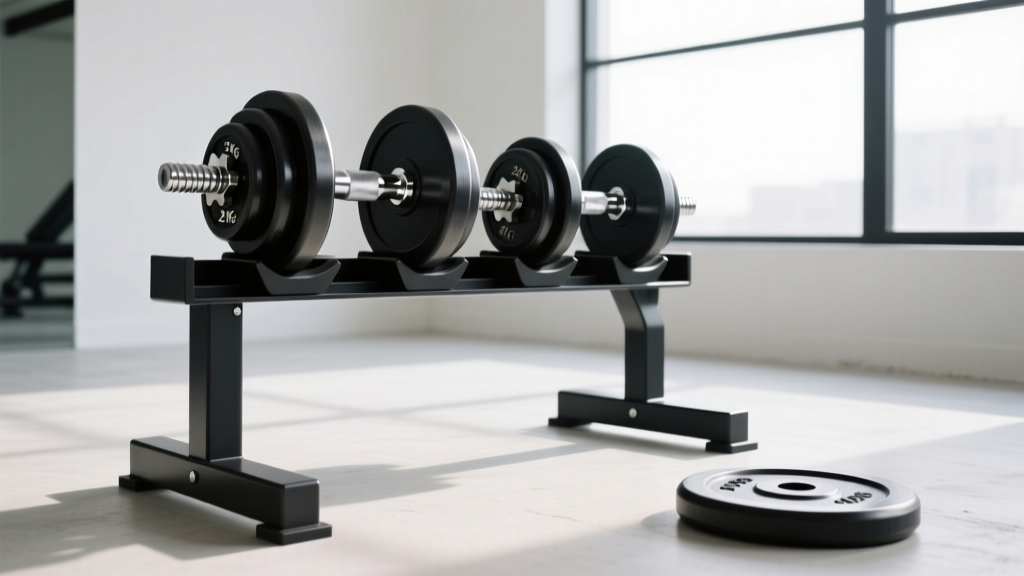
Expert Warning: Storing heavy, round-bottomed kettlebells on standard flat-tier dumbbell racks is a severe liability. Kettlebells require specialized tray depths or angled cradles to prevent roll-offs that can crush toes or dent concrete floors.Once you have selected your ideal kettlebell style, you face the inevitable home gym bottleneck: storage. Mixing odd-shaped iron with adjustable dumbbells requires a specialized footprint. Investing in a purpose-built dumbbell and kettlebell rack is essential for preserving your flooring and maintaining a safe training environment.
Top Pick: Rogue 3-Tier Dumbbell/Kettlebell Rack
Rogue’s 3-Tier Storage Rack is a masterclass in heavy-duty organization. Constructed from 11-gauge steel, it boasts a footprint of 47" L x 22" W x 34" H. The top two tiers feature angled saddles designed to hold up to 10 pairs of dumbbells securely. The critical differentiator is the bottom tier: a deep, lipped steel tray specifically engineered to cradle up to eight kettlebells. The lip prevents the bells from rolling forward, even if the rack is bumped during a heavy conditioning circuit. Priced around $450, it is an investment in safety.
Budget Alternative: Titan Fitness 3-Tier Storage Rack
For lifters on a stricter budget, Titan Fitness offers a comparable 3-tier rack at roughly 30% less cost. While the steel gauge is slightly thinner, it still supports well over 1,000 lbs of static weight. However, our hands-on testing revealed that the bottom tray lacks the deep containment lip found on the Rogue model. If you use the Titan rack, we strongly recommend storing your heaviest competition bells (24kg+) in the center of the tray to minimize tipping torque and roll-off risks.
Space-Saver: Rep Fitness PR-4000 DB/KB Attachment
If your floor space is maxed out by a power rack, the Rep Fitness Dumbbell/Kettlebell Storage Attachment integrates directly into your uprights. This vertical solution holds 4 to 6 bells off the ground. While capacity is limited, it perfectly bridges the gap for minimalist home gyms that only utilize a few core kettlebell sizes for accessory work.
Edge Cases & Real-World Failure Modes
When investing in free weights and storage, you must anticipate how equipment fails in real-world environments. Here are the most common edge cases we document in our lab:
- Enamel Micro-Fractures: Cheap cast iron bells coated in glossy enamel will chip and flake when dropped on hard rubber mats. Always opt for powder-coated or bare e-coated iron if you plan on dropping the bell from the rack position.
- Competition Weld Fatigue: Because competition bells are hollow, the handle is welded to the main body. Dropping a 32kg competition bell from overhead onto concrete can cause micro-fractures at the weld junction. Over time, this leads to catastrophic handle separation. Never drop competition bells from overhead.
- Rack Tipping Torque: A freestanding dumbbell and kettlebell rack becomes top-heavy if users mistakenly store 40kg dumbbells or heavy kettlebells on the top tier. Always load the heaviest implements on the bottom tier to keep the center of gravity low and prevent the rack from tipping forward during loading/unloading.
- Adjustable Dumbbell Clearance: Many adjustable dumbbells (like Nuobell or PowerBlock) have longer chassis dimensions than traditional hex dumbbells. Ensure your chosen rack's tier spacing is at least 14 inches wide to accommodate adjustable models without them overhanging the edges.
The FitGearPulse Decision Framework
Choose Cast Iron if: Your training focuses on slow grinds (presses, Turkish get-ups), tactical strength, and you prefer a thicker handle for grip conditioning. Pair with a standard 3-tier rack with a deep bottom lip.
Choose Competition if: You train for kettlebell sport, perform high-rep snatches and jerks, or share equipment with multiple athletes who need consistent dimensional references. Ensure your storage tray has a wide enough base to accommodate the uniform 210mm width of the bells.
Ultimately, the right kettlebell style will elevate your conditioning, while the right storage solution will protect your equipment and your shins. By matching the metallurgy of your bells to your training goals and securing them in a high-capacity rack, you build a home gym that is as safe as it is effective.
More gear to consider
All reviews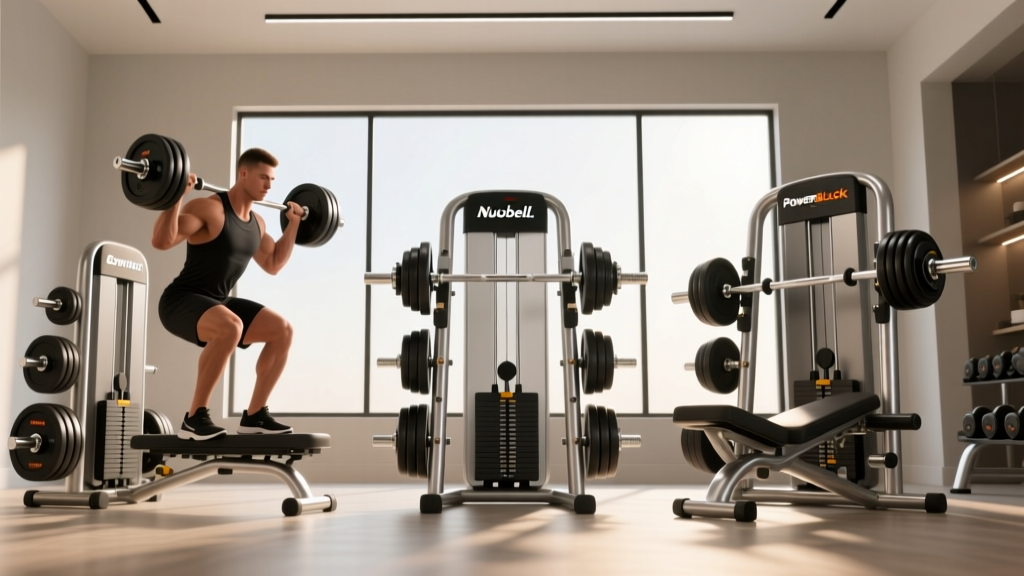
Best Adjustable Weights for a Workout Routine With Dumbbells (2026)

Barbell Collars vs. Clamps: Surviving Deadlifts & Dumbbell Burpees
Power Rack vs Squat Rack vs Stand: Dumbbell Triceps & Heavy Lifts

Bench Setup: Barbell Collars and the Average Dumbbell Bench Press

Power Rack vs Squat Stand: One Leg Romanian Deadlift with Dumbbells