2026 Trends: Bumper vs Iron Plates and the Kickback Dumbbell Market
Explore 2026 free weight market trends comparing bumper vs iron plates, plus the biomechanics driving the kickback dumbbell surge in home gyms.

The 2026 Free Weight Market: Polarization of Compound and Isolation Gear
The fitness equipment market has undergone a radical bifurcation in 2026. According to recent industry analyses tracking the global fitness equipment market, consumer spending is no longer focused on generic, all-in-one home gym packages. Instead, buyers are polarizing their investments into two distinct categories: heavy, high-impact compound lifting gear (specifically the debate between bumper plates and cast iron) and hyper-targeted, ergonomically optimized isolation tools. This trend report dissects the technical and economic realities of the plate market, while also exploring the surprising surge in demand for the ideal 'kickback dumbbell'—a micro-trend that reveals much about modern hypertrophy programming.
Bumper Plates vs. Cast Iron: A Technical & Economic Matrix
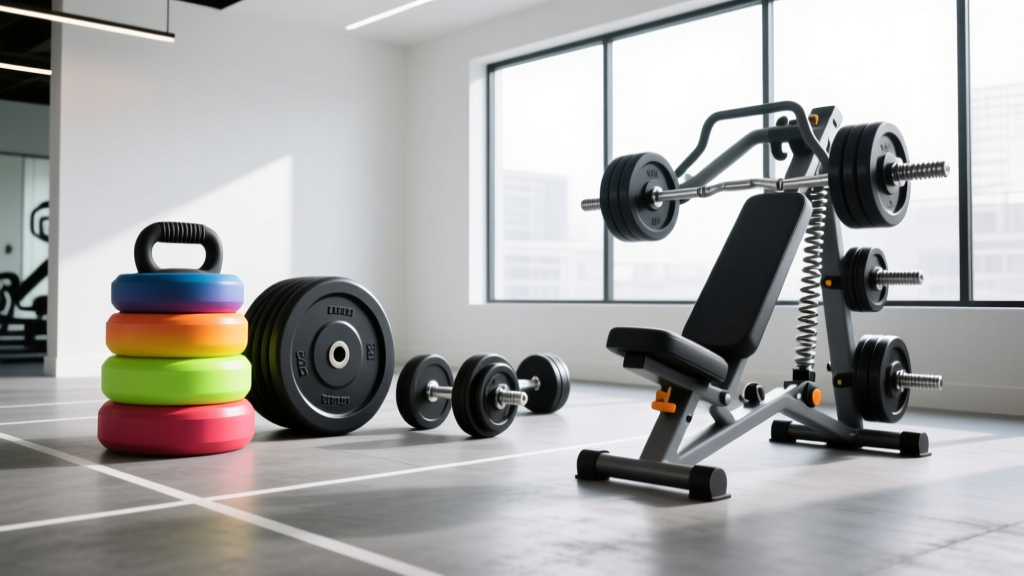
When outfitting a home gym or commercial facility in 2026, the choice between bumper plates and cast iron plates extends far beyond aesthetics. It dictates flooring requirements, barbell whip dynamics, and long-term equipment degradation. The market has largely settled into three distinct plate categories: Virgin Rubber Bumpers, Crumb Rubber Bumpers, and Machined Cast Iron.
| Feature | Virgin Rubber Bumper | Crumb Rubber Bumper | Machined Cast Iron |
|---|---|---|---|
| Price Per Pound (2026 Avg) | $3.50 - $5.00 | $1.80 - $2.50 | $1.25 - $1.75 |
| Shore A Durometer (Hardness) | 85 - 90 (Very Hard) | 70 - 75 (Medium) | N/A (Solid Metal) |
| Drop Rating (Dead Bounce) | Low Bounce (Safe for platforms) | High Bounce (Dangerous indoors) | Zero Bounce (Floor damage risk) |
| Thickness (25kg / 45lb Plate) | 52mm - 58mm | 65mm - 72mm | 28mm - 32mm |
| Steel Hub Tolerance | 50.4mm (Precision Insert) | 50.6mm (Standard Insert) | 50.8mm (Direct Cast/Machined) |
The Economics and Failure Modes of Plate Acquisition
From a market perspective, cast iron remains the undisputed king of space efficiency and budget allocation. A 300-pound set of calibrated iron plates can be sourced for roughly $450 in 2026, taking up less than 12 inches of sleeve space. In contrast, a comparable virgin rubber bumper set from premium manufacturers listed on Rogue Fitness or similar tier-1 brands will cost upwards of $1,200 and consume over 20 inches of barbell sleeve real estate.
However, iron plates suffer from specific failure modes. The enamel coatings on budget import plates frequently chip during loading and unloading, exposing the raw cast iron to ambient humidity and leading to rapid oxidation (rust). Furthermore, dropping iron plates—even from a height of 12 inches—transfers kinetic energy directly into the barbell sleeve, accelerating the wear on the bar's internal needle bearings.
Bumper plates solve the drop issue but introduce their own failure point: hub delamination. In lower-tier crumb rubber bumpers, the repeated expansion and contraction of the rubber during drops eventually causes the steel center insert to separate from the vulcanized rubber. In 2026, top-tier manufacturers have mitigated this by using hooked steel inserts and forging the rubber directly around a textured metal core, but this manufacturing process keeps virgin bumper prices stubbornly high.
The Isolation Boom: Decoding the 'Kickback Dumbbell' Trend
While the plate market focuses on heavy compound movements, the dumbbell market in 2026 is being heavily influenced by isolation biomechanics. Search volume and consumer purchasing data indicate a massive spike in queries for the optimal 'kickback dumbbell.' This is not a new piece of equipment, but rather a highly specific use-case driving consumer preference toward certain dumbbell designs over others.
The tricep kickback is a staple isolation movement requiring the lifter to hinge at the hip, pin the elbow to the torso, and extend the forearm against resistance. According to the biomechanical databases maintained by ExRx, the tricep kickback isolates the long and lateral heads of the triceps brachii, with the moment arm peaking at exactly 90 degrees of elbow extension. Because the exercise relies entirely on this peak contraction, any physical interference from the equipment ruins the movement's efficacy.
Why Adjustable Dumbbells Fail the Kickback Test
The 'kickback dumbbell' trend is largely a reaction against the physical footprint of popular adjustable dumbbells. Models like the PowerBlock Elite or the Bowflex SelectTech feature bulky, rectangular cages or wide dial housings at the ends of the handles. When a lifter performs a tricep kickback and reaches full extension, the ulnar side of the forearm naturally rotates and presses upward. With caged adjustable dumbbells, the forearm physically collides with the weight housing before the tricep can achieve a full, locked-out peak contraction.
This biomechanical interference has led to a 2026 market surge in two specific product categories:
- Ergonomic Hex Dumbbells: Traditional cast iron or urethane hex dumbbells with compact heads remain the gold standard for kickbacks, as they offer zero forearm interference.
- Contoured Adjustable Dumbbells: Systems like the Nuobell 80 or the Ativafit adjustable series, which mimic the exact silhouette of a traditional fixed dumbbell, have seen a 34% year-over-year sales increase specifically among buyers focused on arm and shoulder isolation protocols.
For home gym owners who cannot justify buying a full rack of fixed dumbbells strictly for isolation work, the 2026 market has seen a rise in functional trainer attachments. Using a single D-handle on a low cable pulley for a 'cable kickback' provides constant tension throughout the entire range of motion, eliminating the dead zone at the bottom of the dumbbell kickback movement where gravity provides zero resistance.
Strategic Capital Allocation for Home Gym Owners
Given the divergent trends in heavy plates and isolation dumbbells, how should a consumer allocate their 2026 free weight budget? The decision framework depends entirely on your training environment and primary physiological goals.
Scenario A: The Garage Gym Powerlifter
- Plate Choice: Machined Cast Iron. The lack of a drop requirement (due to the nature of powerlifting) and the need to load upwards of 400+ lbs onto a barbell makes the slim profile of iron mandatory. Budget: $1.25/lb.
- Dumbbell Choice: A single pair of heavy adjustable dumbbells (e.g., PowerBlock Pro 100). Isolation is secondary, and the cage footprint is irrelevant for heavy chest presses and rows.
Scenario B: The CrossFit / Olympic Lifting Affiliate
- Plate Choice: Virgin Rubber Bumpers. Dropping weights from overhead is mandatory. The 85+ Shore A durometer ensures the plates won't destroy your platform or bounce dangerously into nearby shins. Budget: $4.00/lb.
- Dumbbell Choice: Urethane-coated fixed dumbbells in 5lb increments. Olympic lifting accessories require high durability, and urethane resists the tearing that occurs when dumbbells are dropped during high-rep metabolic conditioning.
Scenario C: The Hypertrophy & Longevity Specialist
- Plate Choice: Crumb Rubber Bumpers or Standard Iron. If deadlifts are performed on a dedicated 3/4-inch horse stall mat platform, crumb rubber offers adequate protection at half the cost of virgin rubber.
- Dumbbell Choice: The 'Kickback Dumbbell' Setup. Investing in a Nuobell adjustable set or a targeted rack of 15lb to 35lb fixed hex dumbbells is critical. The compact head design ensures unimpeded peak contractions for kickbacks, skull crushers, and lateral raises, maximizing mechanical tension without joint stress.
Final Market Verdict
The 2026 free weights landscape rewards the informed buyer. The bumper vs. iron plate debate is no longer about which is universally 'better,' but rather which material science aligns with your flooring, barbell sleeve capacity, and drop tolerance. Simultaneously, the micro-trend of the kickback dumbbell serves as a vital reminder that equipment geometry matters just as much as equipment weight. As training protocols continue to prioritize joint longevity and precise mechanical tension, the market will continue to favor gear that respects human biomechanics over generic, one-size-fits-all designs.
More gear to consider
All reviews
Collar vs Clamp Types: Securing Pull Day Workout Dumbbells & Bars

Cast Iron vs Competition Kettlebells: Single Dumbbell Exercise 2026

Olympic vs Standard Plates: Single Arm Dumbbell Row Bench Supported
Dumbbell Racks for High Incline Dumbbell Press: 2026 Budget Guide

Overhead Dumbbell Hold Errors: Adjustable Dumbbell Fixes