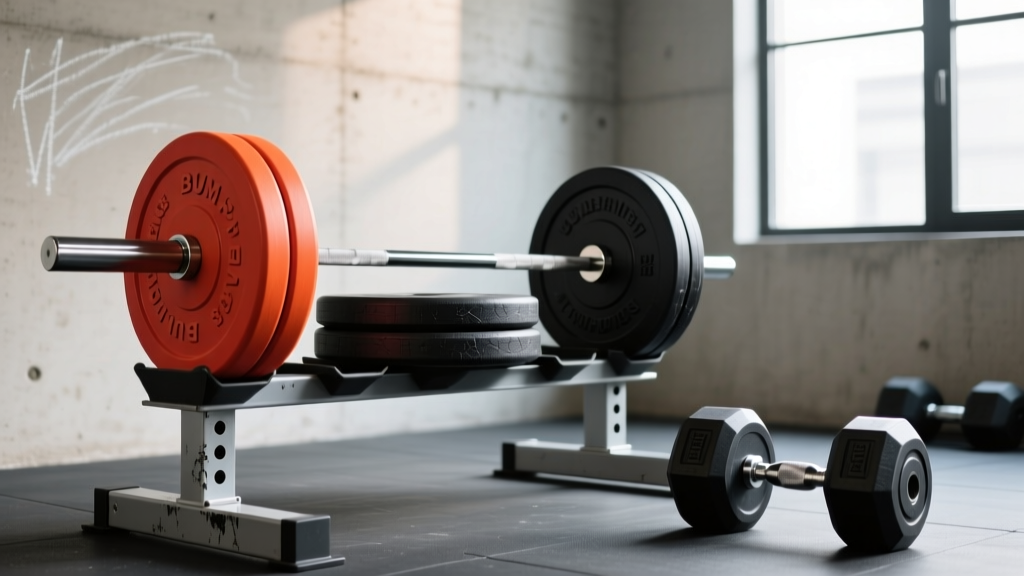
Bumper vs Iron Plates: Longevity Tips for Barbell or Dumbbell Squats
Compare maintenance and longevity of bumper vs iron plates, with expert care tips for heavy barbell or dumbbell squats and home gym durability.

When outfitting a home gym or commercial facility, the debate between bumper plates and cast iron plates usually centers on noise reduction and drop tolerance. However, from a strict maintenance and longevity perspective, the choice drastically alters your equipment care routine. This is especially true when your programming heavily features barbell or dumbbell squats, where plates are constantly loaded, unloaded, and occasionally dropped during failed reps.
Understanding the material science, failure modes, and environmental vulnerabilities of both plate types is critical for protecting your investment. In this guide, we break down the exact maintenance protocols, real-world degradation timelines, and longevity tips for bumper and iron plates in 2026.
The Squat Rack Factor: Why Squats Accelerate Wear
Whether you are executing heavy barbell or dumbbell squats using a power rack or squat stands, the act of loading and unloading plates takes a physical toll. Iron plates routinely chip their enamel coatings when slammed against steel J-cups and safety spotter arms. Furthermore, if you bail on a heavy back squat and drop iron plates onto a concrete garage floor, the shockwave can cause micro-fractures in the casting, leading to catastrophic rust jacking over time. Bumper plates, conversely, absorb this kinetic energy but introduce their own vulnerabilities regarding UV degradation and rubber dry rot.
Material Science: Bumper vs. Iron Degradation
To properly maintain your weight plates, you must first understand how they fail. The International Weightlifting Federation (IWF) mandates strict drop-test standards for competition bumpers, but commercial and home gym plates vary wildly in material composition.
Virgin Rubber and Urethane Bumpers
High-quality bumper plates are typically made from virgin rubber or urethane, measured on the Shore A Durometer scale. Competition-grade bumpers sit around 85A to 90A (harder, less bounce, higher density), while economy crumb-rubber bumpers sit closer to 70A. While rubber is excellent for absorbing the shock of a dropped barbell during a failed squat, it is highly susceptible to environmental factors. Prolonged exposure to UV light causes the polymers to break down, leading to dry rot, flaking, and a permanent whitish oxidation layer. Urethane, which has seen price stabilization in 2026, offers superior resistance to UV and abrasion but can still crack if stored in freezing temperatures.
Cast Iron and Machined Steel Plates
Iron plates are virtually immune to UV damage and temperature fluctuations, but they are highly vulnerable to moisture. Most modern iron plates feature a baked enamel or powder-coated finish. The primary failure mode for iron plates is edge chipping. Once the protective coating is compromised, the raw cast iron is exposed to ambient humidity. Oxidation begins within 48 hours, and over several years, the expansion of iron oxide (rust) can literally crack the plate from the inside out—a phenomenon known as rust jacking.
Expert Insight: Always check the hub material of your iron plates. Machined steel hubs (found on premium plates like Rep Fitness Deep Dish or Rogue Machined) protect your barbell sleeves from grinding. Cheap cast-iron hubs will shave the zinc or chrome coating right off your barbell sleeves during heavy squat loading sequences.
The Squat Rack Toll: J-Cups and Spotter Arms
When performing barbell or dumbbell squats, the interaction between the plate, the barbell sleeve, and the rack hardware is a major point of friction. Iron plates are notorious for chipping the paint on squat rack uprights and J-cups. Over a few years of heavy squat cycles, the area around the J-cup on a standard 2x2 or 3x3 upright will show severe scarring. Bumper plates, with their softer outer circumference, act as a buffer, significantly extending the aesthetic and structural life of your squat rack hardware.
Comparison Matrix: Longevity and Maintenance Metrics
| Metric | Virgin Rubber / Urethane Bumpers | Cast Iron / Steel Plates |
|---|---|---|
| Drop Tolerance (Failed Squats) | Excellent (Absorbs kinetic energy) | Poor (Risks casting fractures & floor damage) |
| Rack Hardware Wear | Low (Soft edges protect J-cups) | High (Chips enamel on rack and plate) |
| Primary Environmental Threat | UV Exposure & Extreme Cold | Ambient Humidity & Moisture |
| Average Lifespan (Home Gym) | 5 to 10 Years | Generational (If rust is prevented) |
| Hub Wear on Barbell Sleeves | Minimal (Brass or steel inserts) | High (If cast iron hub is used) |
Step-by-Step Maintenance Protocols
To maximize the lifespan of your plates, implement these specific care routines based on your equipment type.
Bumper Plate Care Routine
- Monthly Cleaning: Wipe down plates with a microfiber cloth and a mild, non-petroleum-based dish soap solution. Petroleum distillates will break down the rubber polymers and accelerate dry rot.
- UV Protection: If your gym is in a garage with direct sunlight, apply a UV-protectant spray (like 303 Aerospace Protectant) to the bumpers every 90 days to prevent the white oxidation haze.
- Storage: Store bumpers vertically on a dedicated weight tree. Stacking them flat on the floor for long periods can cause the bottom plates to warp under the compressive load, especially in warmer climates.
Iron Plate Care Routine
- Bi-Annual Rust Inspection: Inspect the edges and the center hub for any enamel chips. If you find bare metal, lightly sand the area with 400-grit sandpaper.
- Re-Sealing: Apply a thin coat of rust-inhibiting enamel paint or clear polyurethane to the sanded areas to halt oxidation.
- Lubrication: Wipe the plates down with a very light mist of 3-in-One oil or mineral oil twice a year. This displaces ambient moisture. Avoid WD-40, as it attracts dust and leaves a sticky residue that will ruin your barbell knurling during squats.
Real-World Cost of Ownership in 2026
When calculating longevity, you must factor in the replacement cost of degraded gear. As of 2026, a high-quality 260 lb set of virgin rubber bumper plates (such as the Rogue Echo Bumpers) retails for approximately $345. A comparable 250 lb set of machined cast iron plates (like the Rep Fitness Deep Dish) costs around $325. While the upfront costs are nearly identical, the hidden costs differ.
If you frequently drop weights during heavy barbell or dumbbell squats, iron plates will eventually chip your garage floor concrete (costing $500+ to repair) and destroy your barbell sleeves. Conversely, if you buy cheap crumb-rubber bumpers and leave them in a sunlit garage, you will need to replace them within 3 to 4 years due to severe flaking and structural degradation. According to equipment longevity analyses by BarBend, investing in premium urethane or virgin rubber bumpers yields the highest long-term ROI for dynamic lifters who prioritize safety and equipment preservation.
Frequently Asked Questions
Can I mix bumper and iron plates on the same barbell for squats?
Yes, but with a critical caveat: the iron plates must be placed on the sleeve outside the bumper plates. If you place iron plates closer to the collar and bumpers on the outside, the iron plates will hit the floor first during a drop, transferring all the shock directly into the barbell sleeve and potentially bending the bar.
Do I need to clean my plates if I only use them indoors?
Yes. Human sweat contains high levels of sodium and lactic acid. When you load plates for squats, your hands transfer sweat to the center hubs and edges. Over time, this acidic residue will eat through the zinc coating on steel hubs and cause bare cast iron to rust rapidly. Wipe down the hubs monthly.
Are urethane plates worth the premium over rubber for home gyms?
For pure longevity, yes. Urethane is vastly superior to rubber in resisting UV degradation, scratching, and odor retention. While a premium urethane set might cost $2.50 to $3.50 per pound compared to $1.50 per pound for standard rubber, the Rogue Fitness warranty and general industry standards show that urethane plates routinely outlast rubber by a decade or more in mixed-use environments.
More gear to consider
All reviews
Bumper Plate vs Iron Plate Comparison: Upgrading Your Metal Dumbbell & Barbell Setup

Barbell Collar & Clamp Comparison: Past Different Dumbbell Workouts
Adjustable Dumbbell Review: The Best Wrist Extension Dumbbell
Top Loadable Dumbbells: The Best One Arm Dumbbell Row Alternative

Power Rack vs Squat Rack vs Stand: Stationary Lunges with Dumbbells
