
Cast Iron vs Competition Kettlebells: Budget Breakdown & Exercises for Upper Body with Dumbbells
Compare cast iron vs competition kettlebells with a 2026 budget breakdown. Discover value insights and how they stack against upper body dumbbell exercises.

Building a functional home gym in 2026 requires a ruthless approach to budget allocation. When outfitting your free weight arsenal, the kettlebell is a non-negotiable staple. However, buyers immediately face a critical fork in the road: do you invest in traditional cast iron bells or opt for standardized competition kettlebells? Furthermore, how do these tools complement or replace the standard exercises for upper body with dumbbells that most lifters rely on?
This comprehensive value analysis breaks down the exact cost-per-pound metrics, material failure modes, and biomechanical advantages of both kettlebell styles, helping you maximize your fitness budget without sacrificing performance.
The Anatomy of the Bell: Solid Iron vs. Hollow Steel
Before analyzing the financial breakdown, it is vital to understand the structural differences that dictate the price gap between these two categories.
Cast Iron Kettlebells
Cast iron bells are poured into molds as a single, solid piece of metal. As the weight increases, the physical dimensions of the bell scale up proportionally. A 16kg cast iron bell is noticeably smaller than a 32kg bell. The handle diameter also tends to thicken on heavier models, ranging from 33mm on lighter bells up to 40mm or more on heavy-duty variants. This variable geometry means your grip mechanics and rack position will change as you move up in weight.
Competition Kettlebells
Competition bells are constructed from a hollow steel shell. To achieve different weights while maintaining identical external dimensions, manufacturers fill the internal cavity with steel shot, ball bearings, or specialized resins. According to StrongFirst standards, a true competition kettlebell must feature a uniform 35mm handle diameter, a 210mm height, and a 280mm width, regardless of whether it weighs 8kg or 48kg. This uniformity ensures that muscle memory for complex movements like the snatch and clean remains completely consistent across your entire weight range.
2026 Budget Breakdown: Cost-Per-Pound & Lifetime Value Matrix
The most common mistake home gym owners make is evaluating kettlebell prices based on the total sticker price rather than the cost-per-pound and long-term utility. Below is a 2026 market analysis of premium and mid-tier options.
| Brand & Model Line | Type | Material / Coating | Handle Diameter | Approx. Cost per Pound (2026) |
|---|---|---|---|---|
| Rep Fitness Cast Iron | Classic | Matte Powder Coat | Variable (33-38mm) | $1.40 - $1.70 |
| Rogue E-Coat Cast Iron | Classic | E-Coat / Enamel | Variable (33-40mm) | $1.60 - $1.90 |
| Kettlebell USA Pro Grade | Competition | Steel Shell / Painted | 35mm (Uniform) | $2.60 - $3.10 |
| Rogue Competition | Competition | Steel Shell / Painted | 35mm (Uniform) | $2.80 - $3.30 |
| Onnit Primal Bell | Classic (Novelty) | Cast Iron / Painted | Variable | $3.50 - $4.50 |
Shifting Gears: Beyond Exercises for Upper Body with Dumbbells
Many lifters building a home gym wonder if they can simply rely on exercises for upper body with dumbbells and skip kettlebells entirely. While dumbbells are exceptional for symmetrical hypertrophy work—such as flat bench presses, lateral raises, and traditional bicep curls—kettlebells offer unique biomechanical stimuli that dumbbells cannot replicate.
The Offset Load Advantage
When performing an overhead press with a dumbbell, the center of mass sits directly in line with your wrist joint. In contrast, a kettlebell rests on the forearm in the 'rack' position, with the center of mass offset and pulling backward. According to research published by the National Strength and Conditioning Association (NSCA), this offset load forces the stabilizer muscles—specifically the serratus anterior, lower trapezius, and rotator cuff—to work significantly harder to maintain joint integrity during the pressing phase.
Unilateral Rowing and Core Integration
For upper back development, the single-arm kettlebell row provides a deeper stretch at the bottom of the movement compared to a hex dumbbell. The thicker, curved handle of a cast iron bell also challenges grip endurance simultaneously. If your goal is pure muscle isolation, stick to dumbbells. If your goal is integrated, athletic upper-body strength that translates to real-world movement, kettlebells are the superior investment.
Real-World Durability & Failure Modes
A true value analysis must account for how equipment degrades over time. Here are the specific failure modes to watch for in 2026:
- Cast Iron Enamel Chipping: Bells coated in glossy enamel or thick paint (often found in budget department-store brands) will chip and flake when dropped on rubber mats or concrete. Once the bare iron is exposed, it will oxidize and rust within weeks if kept in a humid garage gym. Solution: Only buy e-coat or matte powder-coated cast iron.
- Competition Bell Rattling: Because competition bells are hollow, cheaply manufactured models use low-grade internal welds to secure the steel shot. Over hundreds of drops, these welds can fracture, causing the bell to rattle and shift its center of gravity. Solution: Stick to premium brands like Kettlebell USA or Rogue, which use advanced internal baffling and high-tensile welds.
- Handle Diameter Fatigue: Heavy cast iron bells (32kg+) often feature handles thicker than 38mm. For athletes with smaller hands, this leads to premature grip failure during upper-body pulling movements, effectively bottlenecking your back and bicep development.
The Value Decision Framework: Which Should You Buy?
To maximize your 2026 fitness budget, use this decision matrix to determine which kettlebell style aligns with your specific training methodology.
- Choose Cast Iron If: Your primary focus is 'grind' lifts (goblet squats, heavy strict presses, Turkish get-ups), you have a strict budget, and you prefer a thicker handle for grip-strength carryover to deadlifts and pull-ups.
- Choose Competition If: Your training involves high-volume ballistics (snatches, cleans, swings), you compete in kettlebell sport, or you are transitioning from exercises for upper body with dumbbells and need a standardized, joint-friendly 35mm handle to ease into offset-load pressing.
'The best equipment is the one that removes friction from your training. If a variable handle diameter is causing you to miss a clean, or a chipping enamel bell is ruining your garage floor, the initial money saved on cheap gear is entirely negated by the compromised training experience.' — FitGearPulse Editorial Team
Final Verdict
Both cast iron and competition kettlebells hold immense value in a modern home gym, but they serve distinctly different masters. Cast iron remains the undisputed king of budget-friendly, heavy grinding strength. Competition bells, despite their premium cost-per-pound, offer unparalleled consistency for technical, high-repetition mastery. By understanding the biomechanical differences between these tools and traditional dumbbells, you can strategically allocate your budget to build a versatile, injury-resistant upper-body training arsenal that will last a lifetime.
More gear to consider
All reviews
Olympic vs Standard Plates: Full Body Dumbbells Workout Mistakes

Best Neoprene Dumbbells for Home Use & Dumbbell Pull Down Guide (2026)
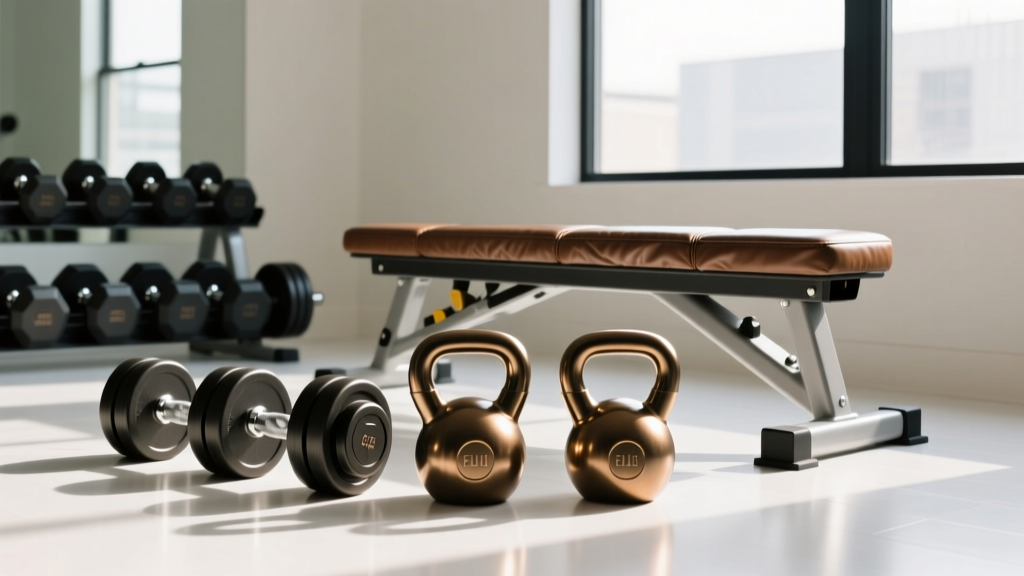
Free Weight Care: Cast Iron vs Competition Kettlebells & Back Workout with Dumbbells and Bench

Power Rack vs Squat Rack vs Squat Stand: Setup for Lying Dumbbell Curls
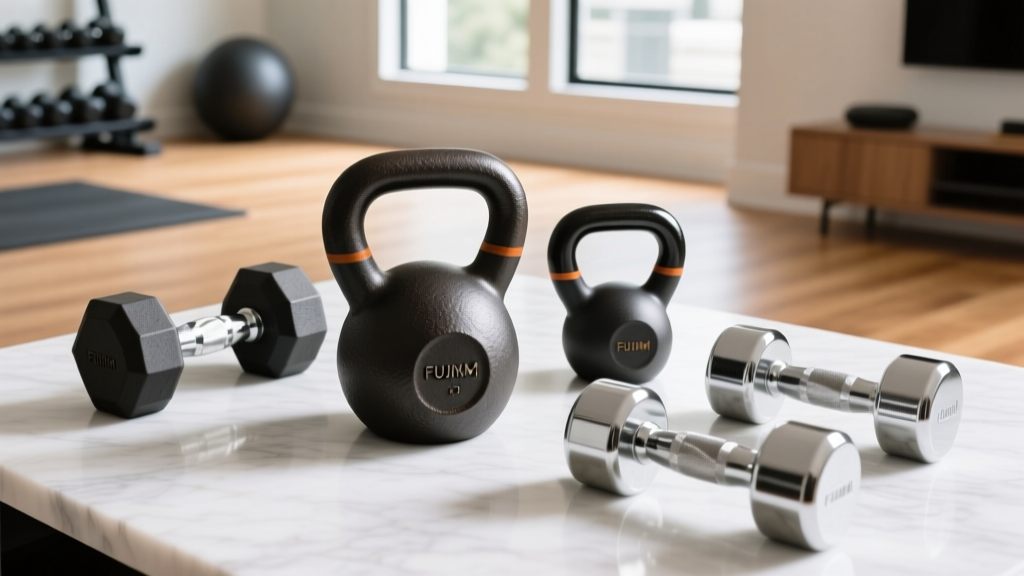
Cast Iron vs Competition Kettlebells & Dumbbell Squat Snatch
