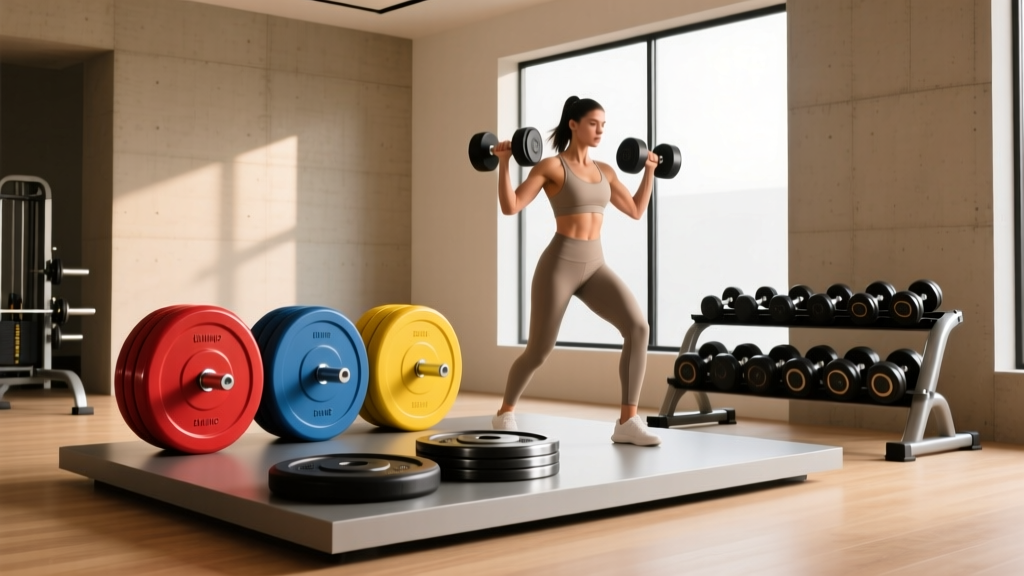
Bumper vs Iron Plate Comparison & Dumbbell Shoulder Rotations
Explore our 2026 bumper plate vs iron plate comparison, analyzing cost-per-pound, durability, and budgeting for prehab tools like dumbbell shoulder rotations.

The Core Dilemma: Bumper Plates vs. Cast Iron in 2026
Building a functional, budget-conscious home gym in 2026 requires navigating a labyrinth of equipment choices. For lifters outfitting their garage or basement spaces, the most significant financial hurdle is often the weight plate budget. The debate between rubber-coated bumper plates and traditional cast iron plates is no longer just about aesthetics or noise reduction; it is a complex calculation involving cost-per-pound, floor protection, barbell sleeve tolerances, and accessory implement allocations.
At FitGearPulse, we approach the bumper plate vs iron plate comparison not just as a matter of material preference, but as a comprehensive budget breakdown. Furthermore, a true value analysis must account for the 'hidden' accessory budget—specifically, the prehab and mobility implements required for joint longevity, such as the light implements needed for dumbbell shoulder rotations. Below, we break down the exact financial and biomechanical realities of outfitting your gym this year.
2026 Price-Per-Pound Matrix: Bumper vs. Iron
When analyzing free weight budgets, the metric that matters most is the cost-per-pound (CPP). However, CPP fluctuates wildly based on manufacturing tolerances, rubber durometer ratings, and shipping weight. Below is a comparative matrix of industry-standard plates available in 2026.
| Plate Type & Model | Material / Coating | Avg. CPP (2026) | Center Hole Tolerance | Best Use Case |
|---|---|---|---|---|
| Rogue Echo Bumper | Virgin Rubber (88 Shore A) | $2.25 - $2.50 / lb | 50.4mm (Stainless) | CrossFit, Olympic Lifts, Garage Gyms |
| Rogue HG 2.0 Bumper | Virgin Rubber (90 Shore A) | $3.50 - $3.80 / lb | 50.4mm (Stainless) | Competitive Weightlifting, Dead Bounce |
| Rep Fitness Deep Dish Iron | Cast Iron (Machined) | $1.60 - $1.85 / lb | 50.4mm (Machined) | Powerlifting, Bodybuilding, Budget Builds |
| York Legacy Cast Iron | Standard Cast Iron | $1.30 - $1.50 / lb | 50.8mm+ (Variable) | Strict Budget, Non-Dropping Lifts |
Note: CPP for cast iron often appears artificially low online. When factoring in freight shipping for a 300 lb iron package, the delivered CPP frequently jumps by $0.30 to $0.50 per pound, narrowing the gap with entry-level bumpers like the Rogue Echo series.
The Hidden Accessory Budget: Prehab and Dumbbell Shoulder Rotations
A critical mistake lifters make when budgeting for plates is allocating 100% of their funds to the barbell and primary loading plates, completely ignoring the accessory and prehab budget. Joint health is paramount, and the rotator cuff requires specific, low-load isolation work to prevent impingement and tears.
Why Plate Choice Matters for Accessory Work
Consider the biomechanics of dumbbell shoulder rotations. External and internal rotations target the infraspinatus, teres minor, and subscapularis. According to biomechanical data cataloged by ExRx, these muscles require precise, controlled resistance typically ranging from 2 to 10 pounds.
Some budget-conscious lifters attempt to perform these rotations by gripping a 2.5 lb cast iron plate or a 10 lb technique bumper plate by the rim. This is a biomechanical error. Gripping the smooth or convex edge of a plate forces the wrist into ulnar deviation and heavily taxes the forearm flexors, reducing the isolation on the rotator cuff. Investing $20 to $30 in a pair of 3 lb or 5 lb neoprene-coated dumbbells specifically for dumbbell shoulder rotations provides an ergonomic, neutral-grip handle that ensures the resistance is applied directly to the target stabilizers without grip fatigue.
Budget Allocation Rule of Thumb
For every $500 spent on primary barbell plates (bumper or iron), allocate exactly $45 to $60 for dedicated micro-loads and prehab dumbbells. Do not compromise your shoulder health by attempting dumbbell shoulder rotations with awkwardly gripped iron plates.
Durability and Failure Modes: Where Budget Plates Cost You More
The initial price tag of a weight plate rarely tells the whole story. To truly understand the value analysis, we must examine the failure modes of both bumpers and iron over a 5-to-10-year lifespan.
Bumper Plate Degradation
- Hooking and Tearing: Cheaper, recycled-rubber bumpers (often found on Amazon for $1.50/lb) suffer from 'hooking' when dropped on rough concrete. The rubber tears away from the steel center ring.
- Durometer Breakdown: The Shore A durometer scale measures rubber hardness. A 90 Shore A plate (like competition bumpers) will eventually crack if repeatedly dropped from overhead by a novice lifter who cannot control the descent. An 88 Shore A plate offers more flex and survives garage gym abuse longer.
- White Ring Bleed: Lower-quality virgin rubber bumpers will scuff and leave permanent white marks on stained concrete or finished wood floors.
Cast Iron Vulnerabilities
- Center Ring Tolerances: This is the most critical E-E-A-T factor for iron plates. Cheap, unmachined cast iron plates often have center holes measuring 50.8mm to 51.2mm. While this makes them easy to slide on, the 'slop' causes the plates to rattle during heavy deadlifts, accelerating the wear and tear on your barbell's zinc or cerakote sleeves. Premium machined iron plates, like those from Rep Fitness, are milled to a strict 50.4mm tolerance, protecting your $300+ barbell investment.
- Oxidation and Rust: Unless you are buying expensive urethane-coated iron (which pushes the CPP back up to bumper-plate levels), raw cast iron will rust in unclimate-controlled garages. You must budget time and materials for periodic wire-brushing and clear-coating.
The Home Gym Value Framework: Which Should You Buy?
To finalize your 2026 equipment budget, use this decision framework to determine whether bumpers or iron plates offer the highest return on investment for your specific training style.
Choose Bumper Plates If: Your programming includes Olympic weightlifting (cleans, snatches, jerks), CrossFit-style high-rep dropping, or if your gym floor is a standard residential concrete slab without specialized horse-stall matting. The noise dampening and floor protection justify the $0.75/lb premium.
Choose Cast Iron Plates If: You are strictly a powerlifter or bodybuilder. If your heaviest drops are from the hip (deadlifts) onto 3/4-inch thick rubber matting, iron offers a vastly superior weight-to-volume ratio. You can load 500+ lbs on a standard barbell sleeve with iron, whereas bumpers will max out the sleeve capacity much earlier due to their thickness.
Frequently Asked Questions
Can I mix bumper plates and iron plates on the same barbell?
Yes, but with a strict caveat. You must load the bumper plates on the sleeve first, closest to the barbell collar, and then add the iron plates to the outside. The bumper plate has a wider surface area on the steel insert, which absorbs the shock of a drop. If you put a 45 lb iron plate on the inside and a 45 lb bumper on the outside, the drop force will snap the steel center ring right out of the rubber bumper.
Are technique bumper plates worth the budget?
Technique bumpers (typically 10 lb and 15 lb pairs) are highly recommended for beginners learning the olympic lifts, as they allow the barbell to be dropped safely from overhead. However, for advanced lifters, 10 lb iron plates paired with proper eccentric control are a better use of funds. Remember to redirect those saved funds toward high-quality light dumbbells for essential prehab routines like dumbbell shoulder rotations.
How do I prevent my cast iron plates from rusting in a humid garage?
Keep a wire brush and a can of 3-IN-ONE oil or a silicone-based rust inhibitor in your gym. Wipe down your iron plates every 60 days. Avoid water-based cleaners, and ensure your garage has at least a basic dehumidifier running during the summer months to keep ambient moisture below 50%.
More gear to consider
All reviews
Adjustable Dumbbell Comparison: Beyond a Dumbbell Christmas Ornament
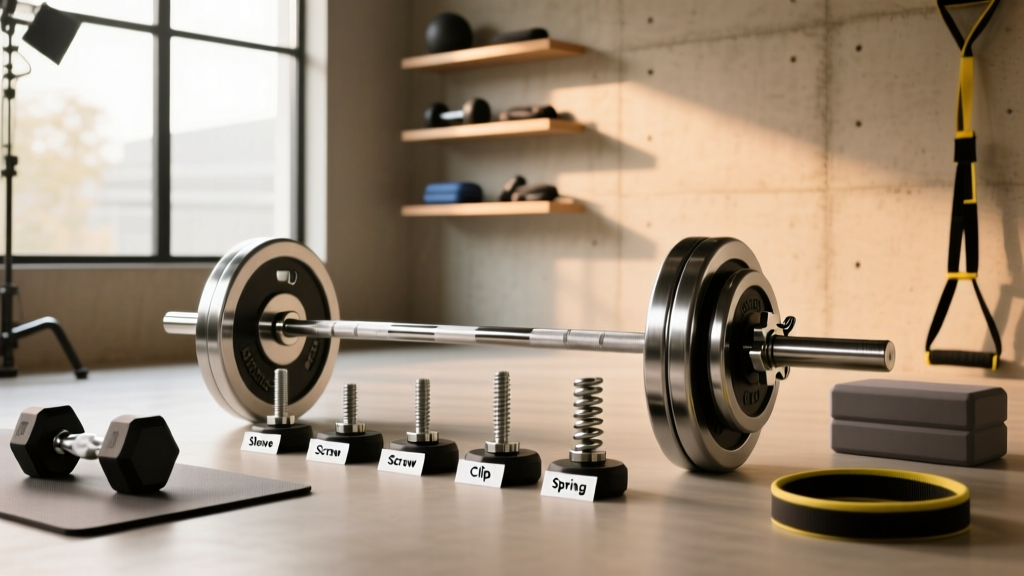
Beyond Tricep Workouts Dumbbells Only: Barbell Collar Types Compared
Optimize Your Dumbbell Schedule Workout: 2026 Rack & Storage Trends

How to Curl Dumbbells Progressively: Budget Guide to Loadable Sets

Dumbbell to Barbell Bench Calculator & Collar Types Comparison
