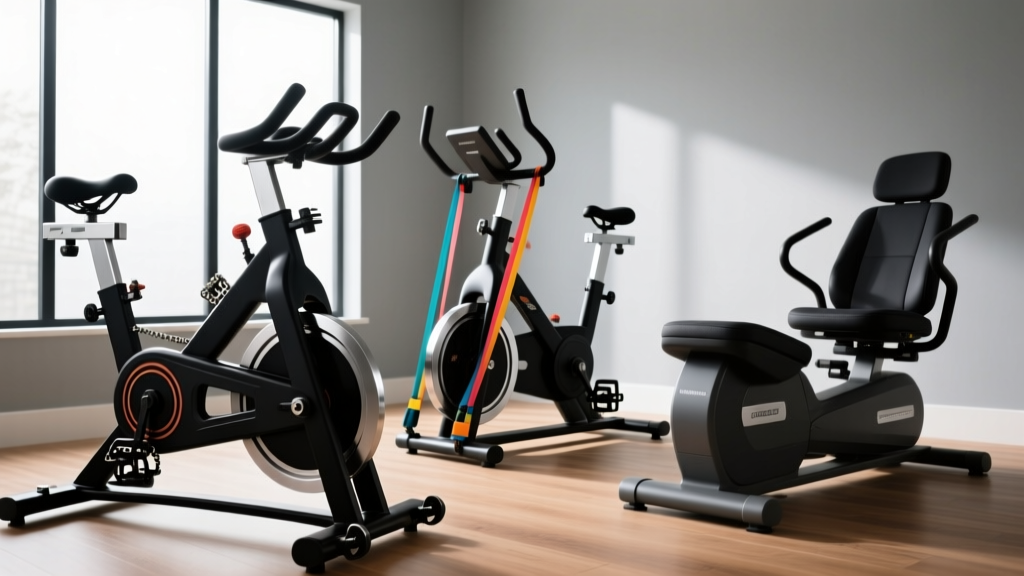
Spin, Upright & Recumbent Bike Care vs. Exercise Treadmill Machine
Master upright, recumbent, and spin bike maintenance. Compare drivetrain care, part replacements, and longevity against an exercise treadmill machine.

The Core Differences: Bike Drivetrains vs. Treadmill Belts
As home fitness technology evolves in 2026, the mechanical paradigms between cycling and running equipment have diverged significantly. Maintaining an indoor cycle requires a deep understanding of rotational bearings, belt tension, and sweat corrosion. In stark contrast, caring for an exercise treadmill machine revolves around deck lubrication, motor hood ventilation, and belt tracking. While both are cornerstones of the modern home gym, applying treadmill maintenance logic to a stationary bike—or vice versa—will lead to catastrophic component failure.
💡 The Golden Rule of Cardio Maintenance: Treadmills die from friction and heat (deck/belt interface). Bikes die from moisture and lateral stress (sweat corrosion and bottom bracket bearing failure). Adjust your maintenance toolkit accordingly.Upright & Recumbent Bike Maintenance: The Magnetic Resistance Factor
Modern upright and recumbent bikes, such as the Sole R92 or the NordicTrack Recumbent Series, predominantly utilize magnetic resistance systems paired with poly-V ribbed belts. Because there is no physical friction pad rubbing against the flywheel, the drivetrain is remarkably quiet and requires minimal daily intervention. However, the hidden failure points lie in the seat mechanics and the bottom bracket.
Seat Rail and Adjustment Pin Care
Recumbent bikes feature long, extruded aluminum seat rails. Over time, dust, pet hair, and skin cells accumulate in the track. When users force the seat adjustment pin, it can bend the locking mechanism, rendering the seat unsafe.
- Monthly Action: Vacuum the seat rail track using a crevice tool.
- Quarterly Action: Wipe the rails with a microfiber cloth dampened with a 50/50 isopropyl alcohol solution to remove body oil buildup, then apply a dry PTFE (Teflon) spray. Never use wet grease or WD-40, as these attract abrasive dust.
Bottom Bracket Bearing Integrity
The bottom bracket connects your crank arms to the bike's frame and houses the bearings that allow smooth pedaling. On upright bikes, sweat drips directly down the seat post and pools near the bottom bracket seal. Once moisture breaches this seal, the bearings rust, resulting in a rhythmic 'grinding' or 'clicking' noise. Replacing a sealed cartridge bottom bracket costs between $25 and $45 in 2026, but requires a specialized crank puller tool and a 10mm hex key.
Spin Bike (Indoor Cycle) Care: High-RPM Wear and Tear
Spin bikes like the Schwinn IC4 and Peloton Bike+ are engineered for high-cadence, out-of-the-saddle riding. This introduces severe lateral torque and massive sweat exposure that standard upright bikes simply do not endure.
Sweat Corrosion: The Silent Killer
According to the Peloton official maintenance guidelines, failing to wipe down the bike after every ride is the number one cause of warranty voidance. Sweat is highly acidic and corrosive. When it drips onto the exposed flywheel or the magnetic resistance housing, it causes micro-rusting that eventually creates a harsh grinding sound.
Expert Warning: Never use bleach-based or ammonia-based cleaners on a spin bike. These harsh chemicals will degrade the rubber compounds in the drive belt and cause the polyurethane handlebar grips to peel and crack. Stick to mild enzymatic cleaners or a simple water/white vinegar mix.
Pedal Threading: A $150 Mistake
Pedal replacement is a common maintenance task, especially for riders using SPD cleats that wear down the pedal threads. You must remember that the left pedal is reverse-threaded.
- Right Pedal: Standard thread (turn clockwise to tighten).
- Left Pedal: Reverse thread (turn counter-clockwise to tighten).
How This Compares to Exercise Treadmill Machine Upkeep
When comparing the drivetrain of a spin bike to the deck and belt of an exercise treadmill machine, the maintenance paradigms shift dramatically. An exercise treadmill machine, such as the NordicTrack Commercial 1750, relies on a high-torque DC motor pulling a continuous rubber belt over a wooden or composite deck.
| Maintenance Task | Stationary Bikes (Spin/Upright/Recumbent) | Exercise Treadmill Machine |
|---|---|---|
| Lubrication Type | Dry PTFE for chains; None for poly-V belts | 100% Silicone liquid spray (under the belt) |
| Primary Friction Point | Bottom bracket bearings & pedal threads | Belt-to-deck interface |
| Motor Care | Small stepper motor (resistance); keep dry | Vacuum motor hood quarterly to prevent overheating |
| Catastrophic Failure Mode | Sweat corrodes flywheel; belt snaps from dry rot | Dry deck spikes amperage, frying the motor controller |
While the exercise treadmill machine demands strict adherence to a 150-mile silicone lubrication schedule to prevent the motor controller from frying (a $200+ repair), stationary bikes demand strict adherence to moisture control. If you neglect treadmill lubrication, the machine will electronically shut down to protect itself. If you neglect bike sweat cleanup, the machine will mechanically seize over a period of months.
Component Replacement Costs & Lifespan Matrix (2026 Data)
Understanding the lifecycle of your cardio equipment parts helps you budget for long-term ownership. The following matrix outlines current average costs for OEM (Original Equipment Manufacturer) replacement parts across major brands like Schwinn, Sole, and Peloton.
| Component | Expected Lifespan | Avg. Replacement Cost | Failure Indicator |
|---|---|---|---|
| Poly-V Drive Belt | 3 - 5 Years | $35 - $60 | Squealing under heavy load; visible fraying |
| SPD Pedals (Pair) | 1 - 2 Years | $40 - $90 | Cleat slips out unexpectedly; bearing play |
| Bottom Bracket | 2 - 4 Years | $25 - $45 | Lateral crank wobble; grinding noise |
| Console Battery (Upright) | 1 - 2 Years | $15 - $30 | Screen flickers; resistance fails to adjust |
Expert Troubleshooting: Squeaks, Slips, and Sensor Errors
Even with rigorous maintenance, mechanical anomalies occur. Here is how to diagnose the three most common stationary bike issues without calling a technician.
1. The 'Rhythmic Squeak' (Pedal vs. Bottom Bracket)
If a squeak occurs exactly once per pedal revolution, isolate the side. Stop pedaling and coast. If the noise stops immediately, it is pedal-related. Remove the pedal, clean the threads with a wire brush, and apply a small dab of marine-grade grease before reinstalling. If the squeak persists while coasting (driven by the flywheel momentum), the issue is likely the belt tensioner pulley bearing, which requires a $20 pulley replacement.
2. Belt Slippage on High Resistance
On belt-driven spin bikes, the belt should have exactly 1/2 inch to 3/4 inch of vertical deflection when pressed firmly in the center of the belt guard. If the belt slips when you increase resistance to level 80+, do not immediately buy a new belt. First, check the tensioner bolt located near the rear flywheel axle. Loosen the axle nut, turn the tensioner bolt clockwise to pull the flywheel back, and re-tighten. According to Consumer Reports fitness equipment guides, over-tightening the belt is a common user error that prematurely destroys the flywheel bearings.
3. Magnetic Resistance Failing to Adjust
If your console changes the resistance number on the screen, but the physical pedaling tension remains identical, the stepper motor cable has likely detached or snapped. This small servo motor physically pulls a cable that moves the magnetic housing closer to or further from the flywheel. Unplug the machine, remove the plastic side shrouds (usually 4-6 Phillips head screws), and inspect the cable routing. Re-seating a popped cable takes five minutes and costs $0.
Frequently Asked Questions
Can I use the same silicone lubricant on my bike chain that I use on my exercise treadmill machine?
No. Treadmills require 100% pure liquid silicone to reduce sliding friction between a rubber belt and a solid deck. Bicycle chains (if your upright bike uses a chain instead of a belt) require a dedicated bicycle chain lube—preferably a dry wax or PTFE-based lubricant. Liquid silicone will attract severe amounts of dust and grime to a chain, creating an abrasive paste that will destroy the chain links and sprocket teeth within weeks.
How often should I recalibrate the magnetic resistance on my spin bike?
Under normal home use, magnetic resistance systems are sealed and do not require manual recalibration. The magnets do not lose their strength over time. If your resistance feels 'off' compared to a studio class, it is usually a software calibration issue rather than a mechanical one. Check the manufacturer's app for firmware updates, as brands frequently release patches to smooth out resistance curves.
Is it safe to keep my recumbent bike in an unheated garage?
Temperature fluctuations are less damaging than humidity. However, unheated garages in 2026 often experience severe condensation cycles during seasonal shifts. This ambient moisture will rust the exposed steel seat rails and degrade the electronic console ribbon cables. If garage storage is your only option, you must use a breathable, moisture-wicking equipment cover and place silica gel desiccant packs near the console housing.
More gear to consider
All reviews
Elliptical vs Treadmill: Is a 100 m on a Treadmill Sprint Better?
Beyond NordicTrack 1750 Treadmill Reviews: Compact Portable Cardio
2026 Trends: Achieving a 10 Incline on Treadmill Portable Models
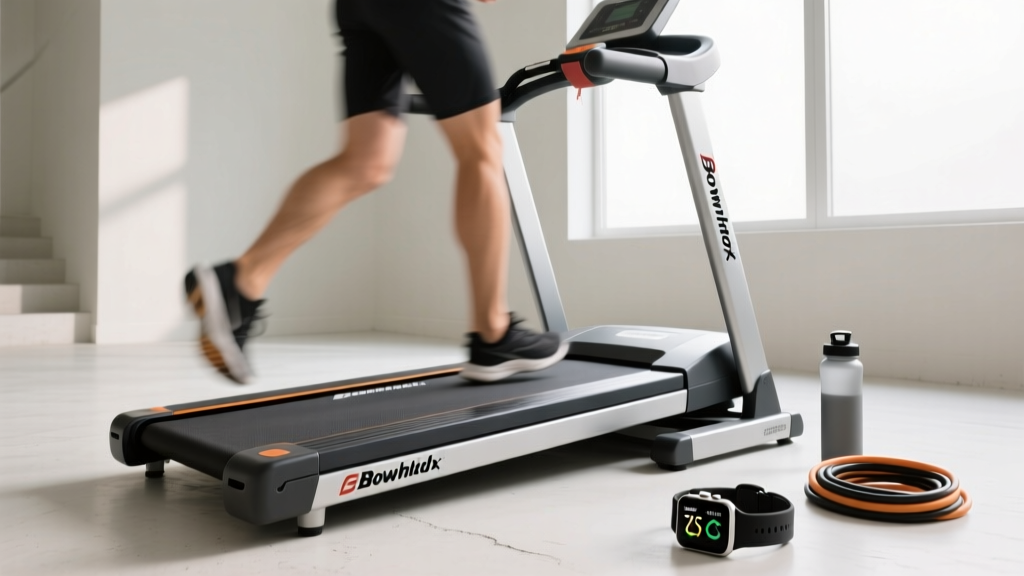
Bowflex Stepper Treadmill Guide: Feature Comparison & Buyer Mistakes

NordicTrack 1750 Treadmill Review: Small Space Maintenance Guide
