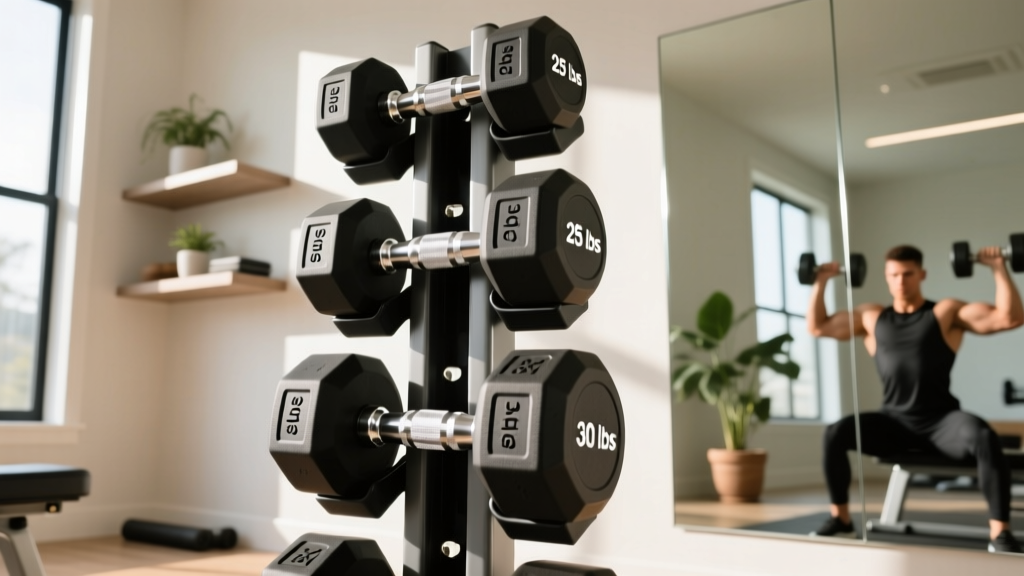
Beyond Dumbbells for Beginners: Olympic Barbell Weight & Knurling Guide
Upgrading from dumbbells for beginners? Follow our step-by-step Olympic barbell buying guide covering weight specs, PSI, and knurling patterns.

The Transition: Why Upgrade from Dumbbells?
If you started your fitness journey researching the best dumbbells for beginners, you have likely built a solid foundation of joint stability, unilateral strength, and basic movement patterns. Adjustable dumbbells are incredible tools, but they eventually cap out in load capacity and biomechanical specificity. When you are ready to load up a heavy back squat, test your one-rep max deadlift, or perform dynamic Olympic lifts, you need an Olympic barbell.
However, transitioning from dumbbells to barbells introduces a completely new lexicon of steel manufacturing. Terms like tensile strength, whip, and knurl aggressiveness can overwhelm new buyers. This step-by-step guide breaks down exactly how to choose the right Olympic barbell weight and knurling pattern for your home gym in 2026, ensuring you buy a bar that lasts a lifetime.
Step 1: Decoding Barbell Weight and Shaft Diameter
Not all barbells weigh the same, and the diameter of the shaft drastically affects how the bar feels in your hands—especially if you are transitioning from the thicker, rubber-coated handles of beginner dumbbells.
| Bar Type | Weight | Shaft Diameter | Sleeve Length | Best Application |
|---|---|---|---|---|
| Men's Olympic | 20kg (44 lbs) | 28mm | 16.3 inches | General fitness, WL, PL |
| Women's Olympic | 15kg (33 lbs) | 25mm | 12.6 inches | Smaller hands, Olympic WL |
| Power Bar | 20kg (44 lbs) | 29mm - 29.5mm | 16.3 inches | Heavy Squat, Bench, Deadlift |
Step 2: Tensile Strength and the 'Whip' Factor
Tensile strength, measured in Pounds per Square Inch (PSI), dictates how much load a barbell can take before it permanently bends. When browsing specs, you will see numbers ranging from 150,000 PSI to over 215,000 PSI.
The PSI Sweet Spot
- Below 165,000 PSI: Avoid these. They are prone to permanent bending if you drop heavy deadlifts.
- 190,000 PSI (The Gold Standard): This is the ideal multi-purpose rating. It offers enough rigidity for heavy squats but retains a slight 'whip' (flex) during deadlifts and cleans.
- 215,000+ PSI: Found in elite weightlifting bars. These bars are designed to bend and snap back (whip) to help lifters bounce out of the bottom of a clean. They are overkill and unnecessarily expensive for general beginners.
According to Eleiko's educational resources, the yield strength (the point of permanent deformation) is actually more important than tensile strength, but because most brands only market tensile PSI, aiming for a minimum of 190k PSI is the safest consumer heuristic.
Step 3: The Knurling Matrix (Where Grip Meets Steel)
Knurling is the cross-hatched pattern machined into the steel shaft to provide grip. If you are used to the passive, molded rubber of neoprene dumbbells, aggressive barbell knurling can be a shock to your skin. Understanding knurl geometry is critical for hand health and lifting performance.
Knurl Geometries: Mountain vs. Hill vs. Volcano
As detailed in BarBend's comprehensive knurling guide, the shape of the knurl peaks dictates how the bar interacts with your calluses:
- Mountain Knurl (Aggressive): Sharp, pointed peaks. Common on cheap power bars. It digs deeply into the skin and can tear calluses during high-rep conditioning or dynamic movements.
- Hill Knurl (Passive): Rounded, flattened peaks. Found on budget economy bars. It feels smooth but will slip during heavy, sweaty deadlifts.
- Volcano Knurl (Optimal): A rim with a small crater in the middle. This design provides maximum surface area for grip without sharp points that tear the skin. The Rogue Ohio Bar popularized this style, and it remains the benchmark for multi-purpose bars in 2026.
To Center Knurl or Not?
A center knurl is a small strip of knurling in the exact middle of the bar.
Powerlifters love it because it grips the back of their t-shirt during heavy low-bar squats, preventing the bar from sliding.
Weightlifters and CrossFitters hate it because it shreds the skin on the chest and neck during front squats and cleans.
Recommendation: For a true beginner multi-purpose bar, opt for a light center knurl or no center knurl at all to prioritize comfort during front-loaded movements.
Step 4: 2026 Market Recommendations by Budget
Based on current manufacturing standards and pricing, here are three distinct tiers for your first Olympic barbell.
1. The Budget Entry: Titan Fitness Series 1 Olympic Bar
- Price: ~$169
- Specs: 190k PSI, 28mm shaft, Hard Chrome finish.
- The Verdict: Titan offers an unbeatable entry point. The knurl is slightly more passive (closer to a hill), making it very forgiving for beginners transitioning from dumbbells. The hard chrome shaft requires occasional wiping with 3-in-One oil to prevent surface rust.
2. The Mid-Tier Benchmark: Rogue Ohio Bar (Composite Bushing)
- Price: ~$345
- Specs: 190k PSI, 28mm shaft, Volcano Knurl, Cerakote or E-Coat options.
- The Verdict: The undisputed king of the home gym. The composite (Igus) bushings provide a smooth, maintenance-free spin without the rattle of cheap needle bearings. The volcano knurl offers elite grip without destroying your hands. Choose the Cerakote finish if your garage gym experiences high humidity.
3. The Premium Upgrade: American Barbell California Bar
- Price: ~$295
- Specs: 190k PSI, 28mm shaft, Stainless Steel shaft option.
- The Verdict: If you want the premium feel of bare stainless steel (which offers the best grip and never rusts) without the $800+ price tag of elite Swedish steel, the California bar is a phenomenal, often overlooked choice.
Step 5: Maintenance and Care
Unlike rubber-coated dumbbells, bare steel or chrome barbells require minimal but specific maintenance to preserve the knurling and prevent oxidation.
Weekly Maintenance Routine:- Brush the knurling with a stiff nylon brush (never brass or steel, which can damage the finish) to remove chalk and dead skin.
- Wipe the shaft with a microfiber cloth lightly dampened with 3-in-One oil or mineral oil.
- Never leave the bar loaded with weight plates on the floor; this puts uneven stress on the sleeves and can warp the internal bushings over time.
Final Thoughts on Your Upgrade
Moving beyond dumbbells for beginners to your first Olympic barbell is a milestone in your lifting career. By prioritizing a 190,000 PSI tensile strength, a 28mm shaft, and a volcano-style knurl, you will secure a versatile tool that bridges the gap between raw strength building and dynamic athletic performance. Invest in quality steel, respect the knurl, and your barbell will outlast your fitness journey.
More gear to consider
All reviews
Beyond Dumbbells for Flabby Arms: Olympic Barbell Weight & Knurling Guide
Adjustable Dumbbell Review: One Arm Dumbbell Row Bench Supported 2026
Dumbbell Horizontal External Shoulder Rotation: Loadable Handle Care

Olympic vs Standard Plates for Your Single Dumbbell Tricep Extension
Barbell Collars vs. Clamps: Securing Weights for Dumbbell Leg Curls