
Best Workout for Forearms with Dumbbells: Rubber Hex vs Urethane
Discover the best workout for forearms with dumbbells and learn whether rubber hex or urethane provides superior grip and durability for heavy holds.

The Hidden Link Between Forearm Hypertrophy and Dumbbell Coatings
When strength athletes and bodybuilders search for the best workout for forearms with dumbbells, they almost exclusively focus on exercise selection: wrist curls, reverse curls, and heavy farmer's holds. However, as a senior equipment reviewer who has spent the last decade testing hundreds of free weights, I can tell you that the material science of your dumbbells dictates your grip endurance, chalk usage, and ultimately, your forearm gains. If your grip slips due to degraded coatings or poor knurling, your forearm muscles fail prematurely before reaching true mechanical tension.
In 2026, the commercial and home gym markets are dominated by two primary dumbbell variants: the traditional Rubber Hex and the premium Urethane. While both serve the basic purpose of providing resistance, their behavior under the extreme sweat, chalk, and micro-drops inherent to high-volume forearm training is drastically different. This hands-on review breaks down exactly which material supports optimal grip training and provides a complete, expert-designed forearm routine to put your gear to the test.
The Biomechanics of Forearm Training & Equipment Demands
The forearm musculature—specifically the flexor digitorum profundus and the brachioradialis—is highly endurance-oriented, composed of a dense mix of slow-twitch and fast-twitch muscle fibers. To stimulate growth, you need prolonged time-under-tension and heavy static holds. This creates a unique set of demands on your equipment:
- Chalk and Sweat Resistance: Heavy holds cause massive palmar sweating. Recycled rubber coatings absorb oils and chalk over time, creating a slippery, degraded surface.
- Knurling Integrity: Forearm workouts require aggressive knurling to prevent the dumbbell from rolling out of the fingertips during eccentric phases (like Zottman curls).
- Drop Tolerance: When your grip finally fails on a heavy 80-pound farmer's hold, you will drop the weights. The edges of the dumbbell heads take the brunt of the impact.
To understand how materials meet these demands, we must look at the specific failure modes of rubber versus urethane in a high-stress training environment.
Rubber Hex Dumbbells: The Budget Grip Builder
Rubber hex dumbbells, such as the widely used CAP Barbell Cast Iron Hex Dumbbells, have been the backbone of commercial gyms for decades. Priced competitively between $1.50 and $2.20 per pound in 2026, they offer an accessible entry point for home gym owners focusing on grip strength.
Material Science and Failure Modes
Most budget rubber hex dumbbells are coated in a blend of recycled rubber and vulcanized compounds. While this provides decent floor protection, it has a Shore A durometer (hardness) rating that is relatively soft. When exposed to the magnesium carbonate found in lifting chalk, the rubber undergoes a chemical drying process. Over 12 to 18 months of heavy forearm training, the handles and heads become brittle, leading to the dreaded 'flaking' effect where black rubber dust coats your hands and floor.
Expert Warning: Never use liquid chalk on standard rubber hex dumbbells. The alcohol base in liquid chalk rapidly breaks down the sulfur bonds in recycled rubber, accelerating handle degradation and ruining the knurling bite required for heavy reverse curls.Furthermore, the hexagonal edges are a structural weak point. While they prevent rolling, dropping a 75-pound rubber hex dumbbell from waist height onto a concrete garage floor frequently results in 'chunking'—where the rubber tears away from the cast iron core, exposing sharp metal edges that can tear your shins during subsequent deadlifts.
Urethane Dumbbells: The Premium Forearm Fatigue Solution
If you are serious about executing the best workout for forearms with dumbbells without equipment limitations, urethane is the undisputed champion. Urethane is a high-density polyurethane elastomer that is significantly more expensive—typically ranging from $3.50 to over $5.00 per pound for top-tier models like the Rogue Urethane Dumbbells—but it solves every failure mode associated with rubber.
Why Urethane Wins for Grip Training
Urethane boasts a Shore A hardness rating of 85 to 90, making it incredibly dense and resistant to deformation. More importantly for forearm training, urethane is completely impervious to sweat, oils, and lifting chalk. You can aggressively chalk up for heavy static holds, wipe the handle with a damp cloth, and the knurling will remain as sharp and biting as the day it was manufactured.
According to material durability tests highlighted by BarBend's equipment analysts, urethane also possesses superior UV resistance and lacks the volatile organic compounds (VOCs) that cause the infamous 'toxic tire smell' associated with new rubber dumbbells. When you are doing high-rep wrist curls and breathing heavily over your equipment, an odorless urethane dumbbell is a massive quality-of-life upgrade.
Head-to-Head Comparison Matrix
| Feature | Rubber Hex (e.g., CAP Pro) | Urethane (e.g., Rogue) |
|---|---|---|
| Average Cost (2026) | $1.50 - $2.20 / lb | $3.50 - $5.50 / lb |
| Knurling Depth | Shallow (0.8mm), often stamped | Deep (1.5mm), machine-cut |
| Chalk Resistance | Poor (degrades and flakes) | Excellent (impervious) |
| Drop Tolerance | Moderate (edges prone to chunking) | High (absorbs impact elastically) |
| Odor / Off-gassing | High initially, moderate long-term | None / Odorless |
| Handle Diameter | Standard (32mm - 34mm) | Standard to Thick (34mm - 38mm) |
Designing the Best Workout for Forearms with Dumbbells
Now that you understand the equipment, it is time to apply it. The following routine is designed to target the flexors, extensors, and the brachioradialis. If you are using rubber hex dumbbells, keep a wire brush nearby to clean the knurling between sets. If you are using urethane, a simple microfiber towel is all you need to maintain peak grip friction.
1. Heavy Dumbbell Farmer's Holds (Grip & Flexor Overload)
Protocol: 4 sets x 45–60 seconds.
Execution: Select a pair of dumbbells that equate to roughly 50% of your body weight per hand. Stand tall, retract your scapulae, and hold. Do not use straps. The goal is to let the deep knurling of the dumbbell bite into your skin, forcing the flexor digitorum muscles to sustain an isometric contraction until absolute failure. Drop the weights safely when your fingers begin to involuntarily peel open.
2. Zottman Curls (Brachioradialis & Extensor Focus)
Protocol: 3 sets x 10–12 reps.
Execution: Curl the weight up with a supinated (palms up) grip to maximize bicep engagement. At the top of the movement, rotate your wrists 180 degrees into a pronated (palms down) position. Lower the weight slowly over a 3-second eccentric phase. This pronated eccentric heavily taxes the forearm extensors and the brachioradialis. Urethane dumbbells excel here, as the smooth rotation of the wrist doesn't cause the chalk to cake up on the handle.
3. Behind-the-Back Single-Arm Wrist Curls
Protocol: 3 sets x 15–20 reps per arm.
Execution: Hold a lighter dumbbell (15-25 lbs) behind your glutes with a pronated grip. Allow the dumbbell to roll down to your fingertips, then curl your fingers back into the palm and flex the wrist upward. This isolates the wrist flexors without the mechanical advantage of resting your arm on a bench. The thicker handle diameter often found on premium urethane dumbbells increases the lever arm, making lighter weights feel significantly heavier on the forearm tendons.
Expert Verdict: Which Should You Buy in 2026?
When building a gym specifically optimized for grip and forearm development, the equipment you choose acts as the foundation of your progress. Rubber hex dumbbells remain a viable, budget-friendly option for general fitness and casual lifters. If you are outfitting a garage gym on a strict budget and only plan to do forearm work once a week, a CAP Barbell Rubber Hex set will suffice, provided you maintain the knurling and avoid liquid chalk.
However, if you are a strength athlete, bodybuilder, or grip-sport competitor dedicated to executing the best workout for forearms with dumbbells on a regular basis, urethane dumbbells are a non-negotiable investment. The superior machine-cut knurling, complete resistance to sweat and chalk degradation, and elastic drop tolerance ensure that your equipment will never be the limiting factor in your forearm hypertrophy. In 2026, with urethane supply chains fully stabilized and prices slightly more accessible than in previous years, upgrading to a premium urethane set is the smartest move you can make for your grip strength and long-term equipment ROI.
More gear to consider
All reviews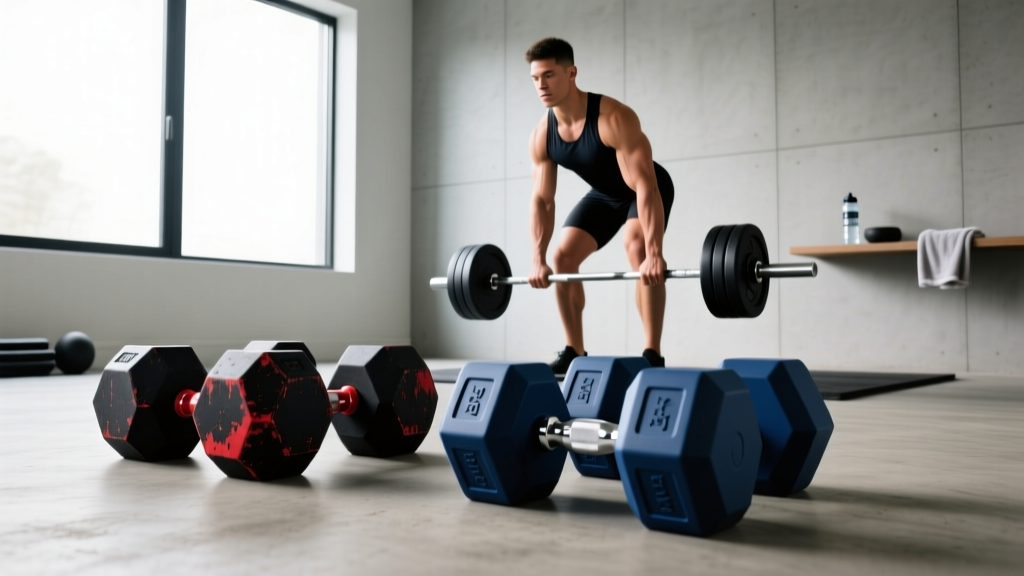
Rubber Hex vs Urethane Dumbbells for the Dumbbell Dead Lift: Value

Bumper vs Iron Plate Care & Incline Dumbbell Skull Crusher Longevity
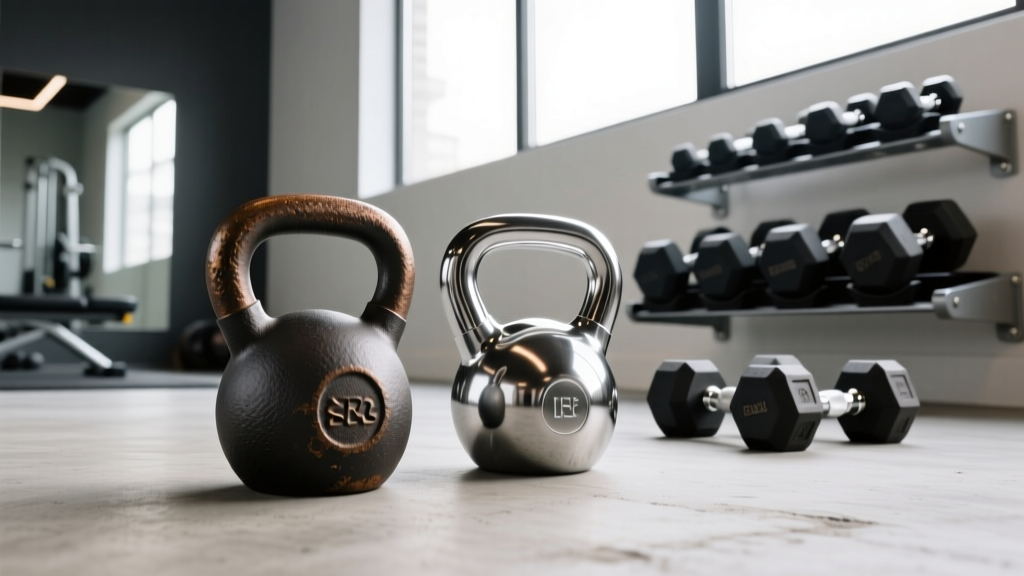
Cast Iron vs Competition Kettlebells: Dumbbell Squat to Shoulder Press

Best Adjustable Dumbbells for the Dumbbell Helms Row (2026 Guide)
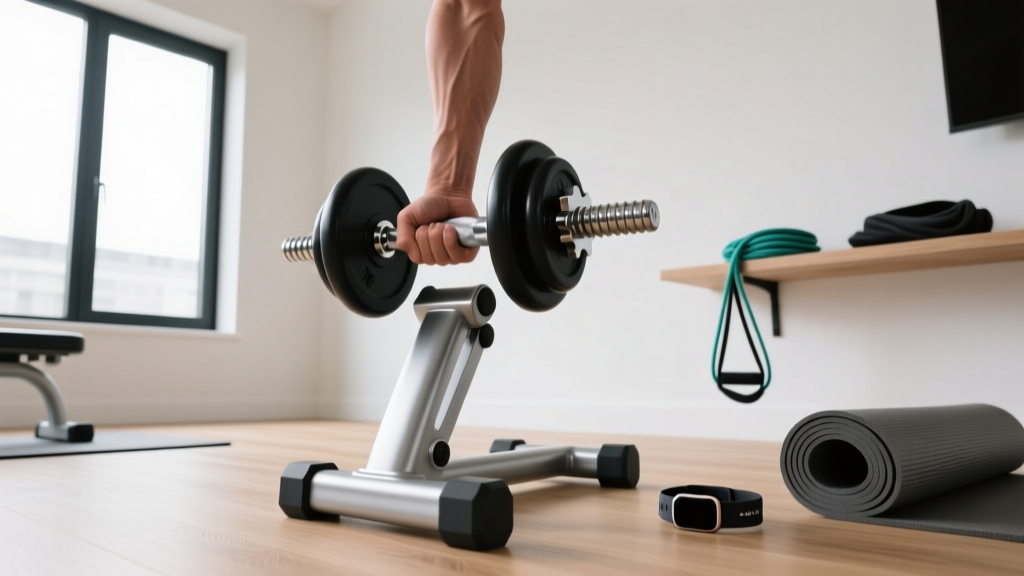
Adjustable Dumbbell Review & Dumbbell Spotter Guide (2026)
