
Bent-Over Dumbbell Row Muscles Worked: Troubleshooting Neoprene Mistakes
Discover the exact bent-over dumbbell row muscles worked and troubleshoot common form and equipment mistakes when using light neoprene dumbbells at home.

The Anatomy of the Pull: Bent-Over Dumbbell Row Muscles Worked
When building a home gym, neoprene coated dumbbells are often the first equipment purchase for beginners. They are affordable, protect hardwood floors, and come in color-coded weights. However, when it comes to compound pulling movements, home gym users frequently hit a wall. To troubleshoot why your back isn't developing, we first need to establish the exact bent-over dumbbell row muscles worked during proper execution.
According to biomechanical analyses from ExRx.net, the bent-over dumbbell row is a multi-joint, horizontal pulling exercise that targets the following musculature:
- Latissimus Dorsi (Lats): The primary movers responsible for shoulder extension and adduction.
- Rhomboids and Middle Trapezius: Responsible for scapular retraction (pulling the shoulder blades together).
- Posterior Deltoids: Assist in horizontal abduction of the shoulder joint.
- Biceps Brachii and Brachioradialis: Act as secondary synergists to flex the elbow.
- Erector Spinae: Work isometrically to maintain the hip hinge and stabilize the lumbar spine.
The Neoprene Dumbbell Trap: 3 Common Mistakes
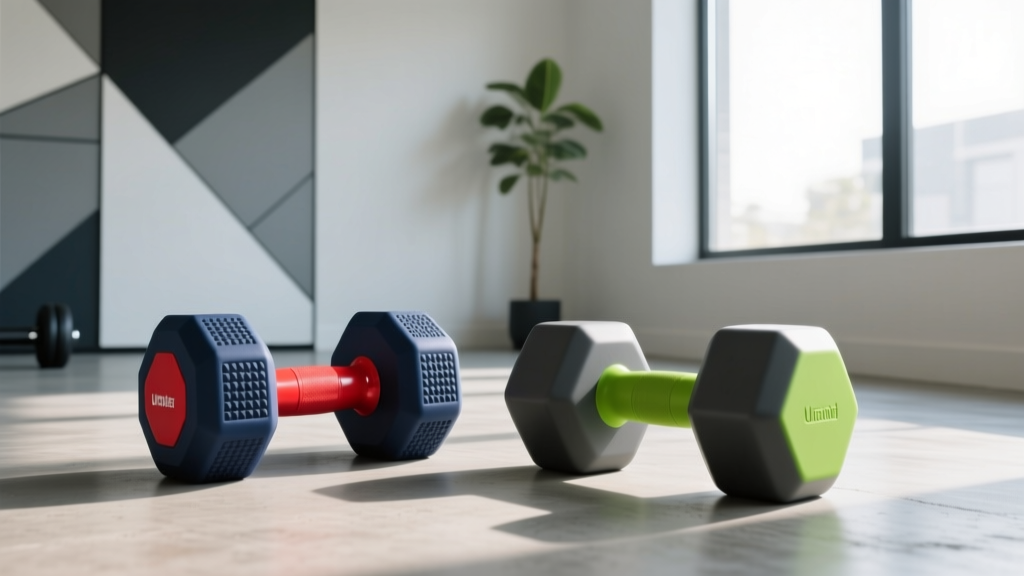
Neoprene coated dumbbells for home use—such as the popular CAP Barbell Neoprene Hex series or Amazon Basics sets—are fantastic for isolation exercises like lateral raises or tricep extensions. But when applied to the bent-over row, they introduce specific failure modes that ruin the movement's effectiveness.
Mistake 1: The 'Upright Torso' Compensation
Because a 10 lb neoprene dumbbell provides negligible resistance to the lats, users subconsciously alter their torso angle to make the movement feel 'harder.' Instead of hinging at the hips to a 45-degree or parallel angle, users stand nearly upright (70+ degrees). This shifts the biomechanical load away from the lats and onto the upper traps and biceps, completely changing the exercise into a makeshift upright row or shrug.
Mistake 2: Momentum and the 'Swing'
When the weight is too light to challenge the muscle through the concentric (lifting) phase, users often use momentum, jerking the weight upward. Research published in strength and conditioning literature, often summarized by experts at Stronger by Science, indicates that momentum-driven reps drastically reduce time-under-tension and motor unit recruitment in the target musculature. If you can swing a 12 lb neoprene dumbbell, your lats are doing almost zero work.
Mistake 3: Grip Fatigue from Thick Coatings
Neoprene coatings add significant girth to the dumbbell handle. While this is comfortable for light aerobic work, it forces the forearm flexors to work overtime to maintain a secure grip. During a row, your grip will likely fail before your lats do, causing you to terminate the set prematurely without actually fatiguing the target back muscles.
Troubleshooting Matrix: Symptoms, Causes, and Fixes
Use the following diagnostic table to identify what is going wrong with your rows and how to fix your equipment or form.
| Symptom | Probable Cause | Equipment / Form Fix |
|---|---|---|
| Lower back burns before lats | Torso angle is too low without adequate core bracing, or weight is too heavy to control. | Raise torso to 45 degrees; use a bench for unilateral support (3-point row). |
| Biceps take over the movement | Pulling with the hands rather than driving the elbows back; weight too light to engage lats. | Use lifting straps to remove grip limitation; focus on driving elbows to the ceiling. |
| No muscle soreness or growth | Neoprene dumbbells (under 15 lbs) lack the load for mechanical tension. | Implement 4-second eccentrics, or upgrade to heavier cast-iron/adjustable dumbbells. |
| Forearms cramp mid-set | Thick neoprene coating increases handle diameter, overworking grip. | Wrap a towel around the handle for a better grip, or switch to bare knurled handles. |
How to Maximize Muscle Engagement with Light Neoprene Weights
If you are currently restricted to a set of 10 lb or 15 lb neoprene coated dumbbells and cannot upgrade your equipment immediately, you must manipulate tempo and leverage to force the bent-over dumbbell row muscles worked to actually experience fatigue.
- The 4-2-1 Tempo Protocol: Lower the dumbbell slowly for 4 full seconds (eccentric phase), pause for 2 seconds at the bottom stretch to eliminate the stretch reflex, and pull up explosively in 1 second. This increases time-under-tension and creates micro-tears in the latissimus dorsi even with sub-optimal loads.
- Pre-Exhaustion Technique: Before picking up your neoprene dumbbells, perform 2 sets of band pull-aparts or scapular pull-ups to near failure. This pre-fatigues the rhomboids and lats, making a 12 lb dumbbell feel like 30 lbs during the subsequent rows.
- Unilateral Focus with Hip Rotation: Perform the row one arm at a time. Allow your torso to rotate slightly downward as you lower the weight, stretching the lat, and rotate upward as you pull the elbow back, increasing the peak contraction.
When to Upgrade: Moving Beyond Neoprene for Back Day
While neoprene dumbbells have a place in home gyms for rehab, warm-ups, and high-rep isolation work, they are fundamentally flawed for progressive overload on compound back movements. If your goal is hypertrophy or strength, you must increase the load.
💡 2026 Equipment Upgrade Economics:Buying a full rack of heavy neoprene hex dumbbells (e.g., 20 to 50 lbs) will cost roughly $2.00 to $2.50 per pound. A pair of 40 lb neoprene dumbbells will cost around $180 and take up significant floor space. Conversely, investing in a pair of adjustable dumbbells, such as the Nuobell 50lb Adjustable Set ($349) or the Bowflex SelectTech 552 ($399), provides 15 different weight increments per hand, replacing an entire rack of neoprene weights while occupying less than two square feet of space.
Upgrading to bare-metal or chrome-finished adjustable dumbbells also solves the grip fatigue issue. The knurled steel handles provide secure friction without the bulky diameter of neoprene coatings, allowing you to strap in and pull heavy loads directly into the lats without your hands giving out first.
Frequently Asked Questions
Can I build a wide back using only 15 lb neoprene dumbbells?
For a complete beginner, 15 lb dumbbells will provide neurological adaptations and minor initial growth for the first 4 to 6 weeks. However, the lats adapt quickly. Without progressive overload (adding more weight), muscle growth will stall. You must eventually upgrade to heavier equipment to continue stimulating the bent-over dumbbell row muscles worked.
Why does my lower back hurt when using light dumbbells?
Lower back pain during light rows usually stems from a form breakdown called 'rounding.' Because the weight is light, users often relax their core and let their lumbar spine flex to generate momentum. Maintain a rigid, braced core and hinge strictly at the hips, keeping your spine neutral regardless of the weight in your hands.
Are neoprene dumbbells toxic or dangerous for home use?
Modern neoprene coatings from reputable brands (like CAP Barbell or Yes4All) are generally safe and non-toxic once cured. However, cheaper, off-brand imports may emit volatile organic compounds (VOCs) when new. Always ensure your home gym is well-ventilated, and wash your hands after handling heavily worn or degrading neoprene coatings.
What is the best alternative to the bent-over row if I only have light neoprene weights?
If your dumbbells are too light to challenge your back, switch to inverted rows using a sturdy table or a suspension trainer (like TRX). Bodyweight rows allow you to easily manipulate the difficulty by changing your foot placement and body angle, providing far more resistance to the lats and rhomboids than a pair of 10 lb neoprene dumbbells ever could.
More gear to consider
All reviews
Olympic vs Standard Plates: Setup & 40 lbs Dumbbell Set Guide
Can Dumbbells Build Muscle Long-Term? Rubber Hex vs Urethane Care
Barbell Collar Clamp Types & Chest Crossover With Dumbbells
Olympic vs Standard Plates: Testing Pendlay Rows With Dumbbells
Loadable Dumbbell Maintenance vs Blogilates Dumbbells
