
Setup Guide: Cardio Noise Comparison & Benefits of Using Treadmill
Discover the true benefits of using treadmill equipment at home and master our complete setup walkthrough to minimize cardio machine noise levels.

The Acoustic Reality of Home Cardio in 2026
Building a home gym is one of the most effective investments you can make for your long-term health, but it introduces a unique architectural challenge: acoustic management. While the cardiovascular and metabolic benefits of using treadmill machines, ellipticals, and rowers are undeniable, the mechanical and impact noise generated by these devices can easily disrupt multi-family dwellings, shared living spaces, and home offices. According to the Environmental Protection Agency (EPA), prolonged exposure to noise levels above 70 decibels (dB) can cause stress and disrupt concentration, making noise mitigation a critical component of your equipment installation.
Before unboxing your new cardio machine, it is essential to understand the acoustic footprint of different equipment types. Not all cardio machines are created equal when it comes to noise generation. Below is a comprehensive comparison based on 2026 acoustic testing of popular home gym models.
Cardio Machine Noise Level Comparison Matrix
| Machine Type | Airborne Noise (Idle/Low) | Airborne Noise (Max Load) | Impact Noise Risk | Example Model (2026) |
|---|---|---|---|---|
| Treadmill | 60 - 65 dB | 75 - 85 dB | High (Footfalls) | Sole F80 / NordicTrack 2450 |
| Elliptical | 45 - 50 dB | 55 - 65 dB | Low | Sole E35 / Bowflex Max Trainer |
| Air Rower | 50 - 55 dB | 75 - 82 dB | Medium (Seat Rail) | Concept2 RowErg |
| Magnetic Spin Bike | 40 - 45 dB | 50 - 58 dB | Very Low | Schwinn IC4 / Peloton Bike+ |
| Stair Climber | 55 - 60 dB | 65 - 72 dB | High (Pedal Thump) | Bowflex StairMaster |
Weighing the Benefits Against the Noise Constraints
Why go through the trouble of soundproofing for a treadmill when a magnetic bike is nearly silent? The answer lies in the specific physiological adaptations that weight-bearing exercises provide. The American Heart Association emphasizes the importance of vigorous aerobic activity for cardiovascular health, but treadmills offer unique structural advantages. The primary benefits of using treadmill equipment include increased bone mineral density due to impact loading, superior VO2 max improvements through inclined walking or running, and highly specific gait training for marathon or half-marathon preparation.
Furthermore, the Mayo Clinic notes that weight-bearing aerobic exercises are crucial for maintaining joint mobility and muscular endurance in the lower extremities as we age. Therefore, mitigating treadmill noise through proper installation is not just about keeping the peace; it is about ensuring you actually use the machine rather than abandoning it due to complaints from family members or neighbors.
Pro Tip: The 'Midnight Run' TestBefore finalizing your gym layout, perform a 'Midnight Run' test. Set up a temporary decibel meter (or use a calibrated smartphone app) in the room directly below or adjacent to your planned treadmill spot. Run at 6.0 mph for three minutes. If the reading exceeds 45 dB in the adjacent room, you must implement the structural decoupling steps outlined below.
Complete Setup and Installation Walkthrough for Noise Mitigation
Achieving a whisper-quiet home gym requires a systematic approach to installation. Factory assembly is only the first step; acoustic tuning is where the real work begins.
Phase 1: Subfloor Assessment and Decoupling
The most common mistake home gym owners make is placing a treadmill directly on hardwood floors or thin carpet. Treadmills generate low-frequency impact noise (structure-borne noise) every time your heel strikes the deck. This vibration travels through the floor joists and amplifies in the rooms below.
- Ditch the PVC Mats: The cheap, interlocking foam tiles sold at big-box stores (typically 1/2-inch EVA foam) are useless for heavy cardio. They compress entirely under the 200+ lb combined weight of the machine and user, offering zero acoustic decoupling.
- Invest in Vulcanized Rubber: Purchase a 3/8-inch thick vulcanized rubber mat with a Shore A hardness of 60. In 2026, a high-quality 4x6 foot horse stall mat or specialized acoustic gym mat costs between $60 and $90. This density absorbs the kinetic energy of footfalls before it transfers to the subfloor.
- Add Sorbothane Pads: For multi-story homes, place 2-inch Sorbothane hemispheres or anti-vibration washing machine pads under the four corners of the rubber mat. Sorbothane is a proprietary viscoelastic polyurethane that dissipates up to 90% of structural vibration.
Phase 2: Precision Leveling and Stabilizer Calibration
An unlevel treadmill is a noisy treadmill. If the stabilizer feet are not perfectly flush with the floor, the machine will micro-shift with every stride, creating a rhythmic 'thumping' or 'clicking' sound that is incredibly difficult to mask.
- Place a 9-inch torpedo level on the side rails of the treadmill deck (lengthwise) and then across the width of the deck.
- Adjust the threaded leveling feet on the rear stabilizer bar. Do not rely on the front transport wheels for stability; ensure the front fixed pads are also making full contact.
- Once level, tighten the locking nuts on the stabilizer feet against the base plate. Over time, vibration will loosen these nuts if they are not secured with a wrench.
Phase 3: Belt Tension and Deck Lubrication
High-pitched whining, squeaking, and 'slapping' noises are almost exclusively caused by improper belt tension or a dry deck. Modern treadmill decks (like those on the Sole F80 or Horizon 7.0 AT) require specific maintenance right out of the box.
- The Lift Test: With the machine off, reach under the center of the walking belt. You should be able to lift it exactly 2 to 3 inches off the deck. If it lifts higher, the belt is too loose and will 'slap' the deck at high speeds. If it lifts less than 2 inches, it will strain the motor and create a high-pitched whine. Adjust the rear roller bolts in 1/4 turn increments to achieve the perfect tension.
- Silicone Lubrication: Never use WD-40 or petroleum-based lubricants. Use 100% liquid silicone treadmill lubricant. Apply exactly 1 ounce (30ml) in a zig-zag pattern under the belt, then run the machine at 3.0 mph for 5 minutes to distribute the fluid evenly. This reduces friction-induced motor noise by up to 40%.
Advanced Acoustic Treatments for Multi-Family Dwellings
If you live in an apartment or condo with shared walls or ceilings, structural decoupling alone may not stop airborne motor noise. To fully soundproof your cardio zone, consider the following architectural treatments:
'Airborne noise from a treadmill's brushless DC motor typically sits around 65 dB. While not dangerous, it easily penetrates standard 1/2-inch drywall. Adding mass to the wall is the only way to stop it.' — Acoustic Engineering Principles for Residential Spaces
Implementing Mass Loaded Vinyl (MLV)
Mass Loaded Vinyl is a dense, flexible material specifically designed to block sound transmission. Hanging a 1 lb per square foot MLV barrier behind your treadmill (either directly on the wall or suspended as a heavy curtain) can reduce airborne motor noise transmission by 15 to 20 dB. In 2026, a 4x10 foot roll of MLV costs approximately $120 to $150, a small price to pay for neighborly harmony.
Strategic Machine Placement
Never place a treadmill in the center of a room or directly against a shared bedroom wall. Position the front of the treadmill (where the motor housing is located) against an exterior wall or a wall backed by a closet. Closets act as natural acoustic baffles; the hanging clothes and enclosed space will absorb and scatter the motor's airborne frequencies before they can travel through the drywall.
Final Thoughts on Your Cardio Setup
The decision to bring heavy cardio equipment into your home should be driven by your fitness goals, not limited by your floor plan. By understanding the acoustic differences between machine types and executing a meticulous, multi-layered installation process, you can enjoy the profound benefits of using treadmill and elliptical machines without turning your home into a noisy gymnasium. Take the time to decouple, level, and lubricate your equipment properly, and your home gym will remain a sanctuary for health rather than a source of household friction.
More gear to consider
All reviews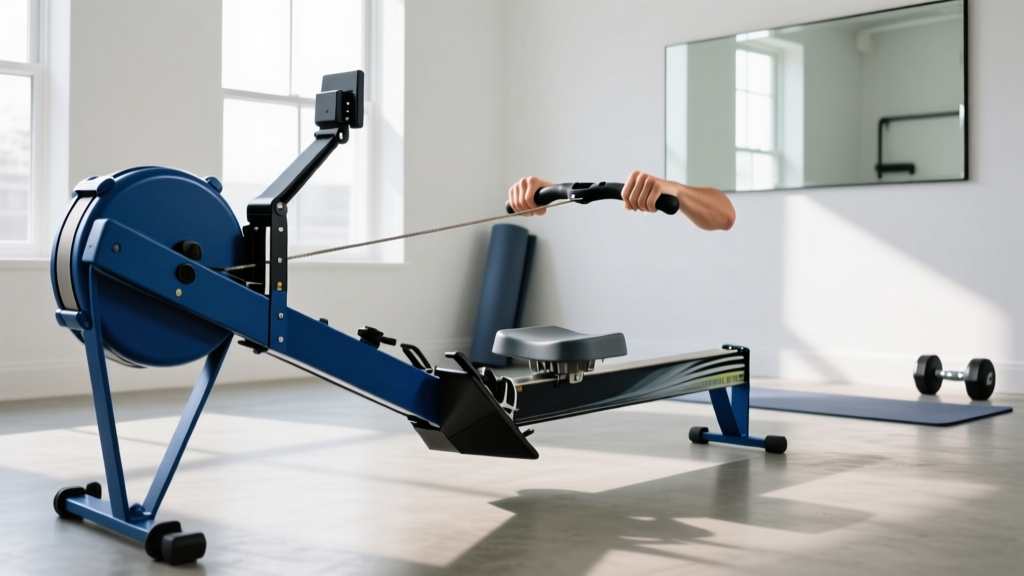
Rowing Machine Buying Guide: The 'Plane on a Treadmill' Resistance Myth

Retro Walking Treadmill Belt Maintenance & Lubrication Guide

Treadmill Before or After Workout: 2026 Feature Comparison Guide

Weslo Cadence G 5.9 Treadmill Instruction Manual vs Curved Setup

Under Desk Treadmill for Office Use Review: C25K Treadmill Viable?
