
Barbell Knurling Guide: Olympic Shafts vs Thomas Inch Dumbbell Trick
Master your grip with our 2026 Olympic barbell buying guide. We compare shaft diameters, knurl patterns, and the legendary Thomas Inch dumbbell trick.

The Anatomy of Grip: Why Shaft Diameter and Knurling Dictate Success
When building a home gym or outfitting a commercial facility in 2026, buyers often obsess over barbell tensile strength, whip, and sleeve rotation. However, the most critical interface in any lift is the point of contact between your hands and the steel. To understand the true value of modern Olympic barbell engineering, we must look at the historical extremes of grip strength—most notably, the legendary Thomas Inch dumbbell trick. By contrasting the biomechanical workarounds required for early 20th-century strongman implements with the CNC-machined precision of modern barbells, you can make a highly informed purchasing decision based on knurl patterns, shaft diameters, and steel treatments.
Decoding Olympic Barbell Knurl Patterns
Knurling is the diamond-patterned machining cut into the steel shaft to increase friction. According to comprehensive testing by BarBend's equipment experts, knurl depth and shape drastically alter force production and skin tear rates. In 2026, premium manufacturers categorize knurling into three distinct geometries, each cut to precise millimeter depths:
1. Hill (Passive) Knurling
Characterized by rounded, shallow peaks (typically cut to a depth of 1.0mm or less). Hill knurling provides a tactile reference point without biting into the calluses. It is standard on multi-purpose and high-volume Olympic weightlifting bars where the barbell must be caught cleanly on the clavicle during a clean and jerk without tearing the skin or damaging the rack.
2. Mountain (Moderate) Knurling
Features sharper peaks but a flatter top, usually cut to 1.2mm. This offers a middle ground, providing excellent grip for heavy pulls while remaining forgiving during high-repetition front squats or overhead pressing. It is the preferred choice for hybrid athletes who need versatility without excessive hand maintenance.
3. Volcano (Aggressive) Knurling
The gold standard for powerlifting. Volcano knurling features deep valleys and sharp, crater-like rims (cut up to 1.5mm deep) that dig into the dermis, creating a mechanical lock between hand and steel. This aggressive bite is what allows modern deadlifters to pull 600+ lbs without the need for the extreme connective-tissue strap-locks used in the early 1900s.
The Biomechanics of the Thomas Inch Dumbbell Trick
To appreciate why a 29mm volcano-knurled barbell like the Rogue Ohio Power Bar is a marvel of modern engineering, you must understand it in the context of its historical predecessor: the Thomas Inch dumbbell. Weighing in at a massive 172 lbs (78 kg), the original Inch dumbbell featured a smooth, un-knurled handle with a diameter of 2.38 inches (60.45 mm).
The Grip Problem: The human hand cannot fully enclose a 60.45mm cylinder. Furthermore, the lack of knurling means friction is virtually zero.
The 'Thomas Inch dumbbell trick' was not a parlor illusion; it was a biomechanical hack. Because a standard closed grip was impossible, Inch and subsequent strongmen utilized a 'thumb-lock' or 'fleshy strap' technique. The thumb is pressed against the smooth steel, and the fingers wrap tightly over the thumbnail and index finger, creating a loop of connective tissue that acts as a makeshift lifting strap.
This extreme historical workaround highlights exactly why modern barbell shaft diameters are strictly regulated between 28mm and 29mm. A 28.5mm shaft allows the fingers to fully overlap the thumb, while aggressive volcano knurling provides the friction necessary to bypass the need for thumb-locking entirely. When buying an Olympic barbell, you are essentially buying the friction and diameter that makes the 'Inch trick' obsolete for standard barbell pulls.
Tensile Strength vs. Yield Strength: The 2026 Marketing Trap
Many buyers in 2026 still confuse tensile strength with yield strength when evaluating Olympic barbells. Tensile strength (measured in PSI) is the point at which the steel will physically snap or break. Yield strength, however, is the point at which the steel will permanently bend and fail to return to its original straightness.
A barbell boasting 205,000 PSI tensile strength is virtually unbreakable under human loads. However, if the yield strength is low, the bar will permanently bend after heavy squats. Premium manufacturers utilize specialized heat-treating processes that push yield strength closer to the tensile limit, ensuring the barbell remains perfectly straight even after decades of 600+ lb drops. When comparing bars, never sacrifice knurl quality and yield integrity for an inflated tensile number.
2026 Olympic Barbell Comparison Matrix
Below is a data-driven comparison of the top Olympic and Power barbells on the market in 2026, analyzing how their specific shaft diameters and knurl types serve different lifting disciplines.
| Barbell Model | Shaft Diameter | Knurl Pattern | Tensile Strength | 2026 Est. Price |
|---|---|---|---|---|
| Rogue Ohio Power Bar | 29.0 mm | Volcano (Aggressive) | 205,000 PSI | $345.00 |
| Eleiko Olympic WL Bar | 28.0 mm | Hill (Passive) | 215,000 PSI | $1,150.00 |
| Kabuki New Gen Power Bar | 29.0 mm | Mountain / Volcano | 250,000 PSI | $895.00 |
| Rep Fitness Excalibur Bar | 28.5 mm | Mountain (Moderate) | 190,000 PSI | $350.00 |
Preserving the Bite: Knurl Maintenance in 2026
Aggressive volcano knurling acts as a magnet for dead skin, chalk, and humidity-induced oxidation. In the past, lifters used stiff wire brushes to clean their barbells, but this practice is highly discouraged for modern finishes. Wire brushes will strip zinc, black oxide, and Cerakote coatings, leading to rapid rusting of the underlying steel.
The Modern Maintenance Protocol:
- Use a stiff nylon bristle brush (not wire) after every session to dislodge chalk from the knurl valleys.
- Apply a light coat of 3-in-One oil or specialized barbell oil to the shaft once a month.
- Wipe down with a microfiber cloth to remove excess oil, ensuring the knurl remains aggressive without becoming slippery.
Buying Framework: Matching Steel to Your Hands
- For Olympic Weightlifters: Prioritize a 28mm shaft with Hill or moderate Mountain knurling. The thinner shaft accommodates the hook grip during the snatch, while the passive knurl prevents clavicle lacerations during the clean.
- For Powerlifters: A 29mm shaft with Volcano knurling is non-negotiable for heavy deadlifts. The aggressive bite secures the barbell in a mixed or double-overhand grip, entirely neutralizing the grip failures that plagued early strongmen.
- For Hybrid / CrossFit Athletes: Opt for a 28.5mm shaft with Mountain knurling. This provides the 'Goldilocks' zone—enough friction for heavy pulls, but smooth enough to endure high-volume barbell cycling without shredding your palms.
Final Verdict: The Evolution of the Grip
The journey from the smooth, 2.38-inch handle of the Thomas Inch dumbbell to the laser-cut volcano knurling of a 2026 Kabuki Strength power bar represents a century of biomechanical optimization. When investing in an Olympic barbell, look past the flashy sleeve finishes and focus on the shaft. The diameter and knurl geometry will dictate your force transfer, your central nervous system fatigue, and ultimately, your success under the bar. Choose the steel that respects your hands, and let the engineering do the heavy lifting.
More gear to consider
All reviews
Incline Dumbbell Press vs Barbell: Olympic Knurling Guide
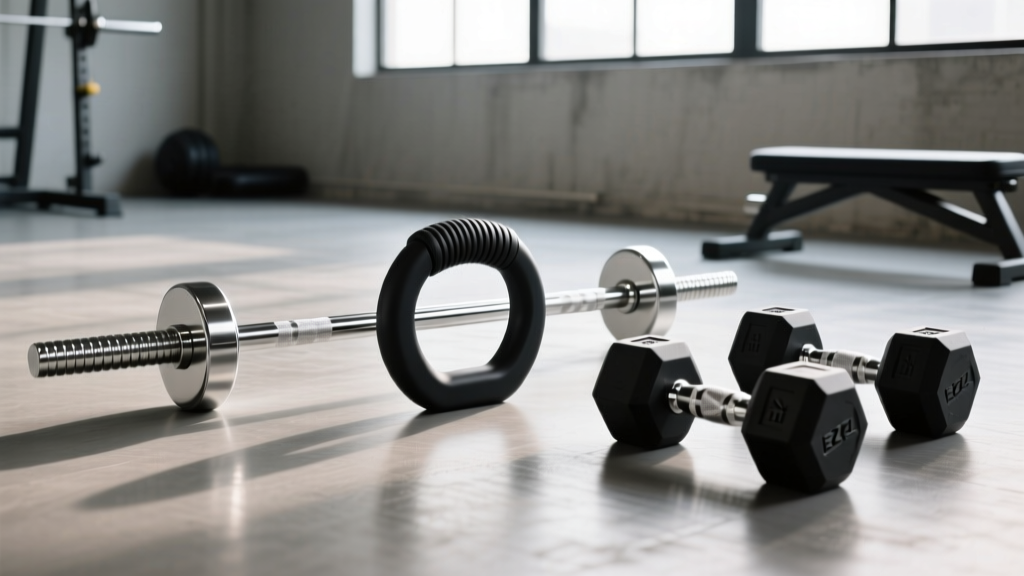
EZ Curl Bar vs Straight Bar & Dumbbell Lateral Step Up 2026 Trends

Bumper vs Iron Plate Care: Maintaining a 500 lb Dumbbell Load
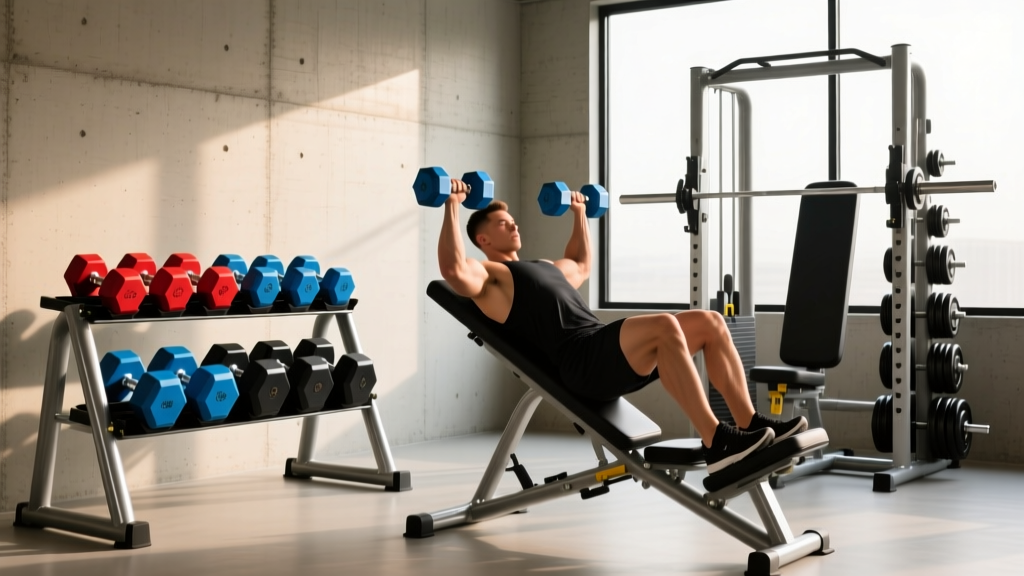
Incline Dumbbell Press vs Shoulder Press: Rack & Storage Budget Guide

Flabby Arm Exercises with Dumbbells: Rubber Hex vs Urethane Value
