Beyond Lat Pull Downs With Dumbbells: Barbell Weight & Knurl Guide
Transition from dumbbell back workouts to heavy barbell training. Our in-depth guide covers Olympic barbell weight tolerances, PSI, and knurling patterns.

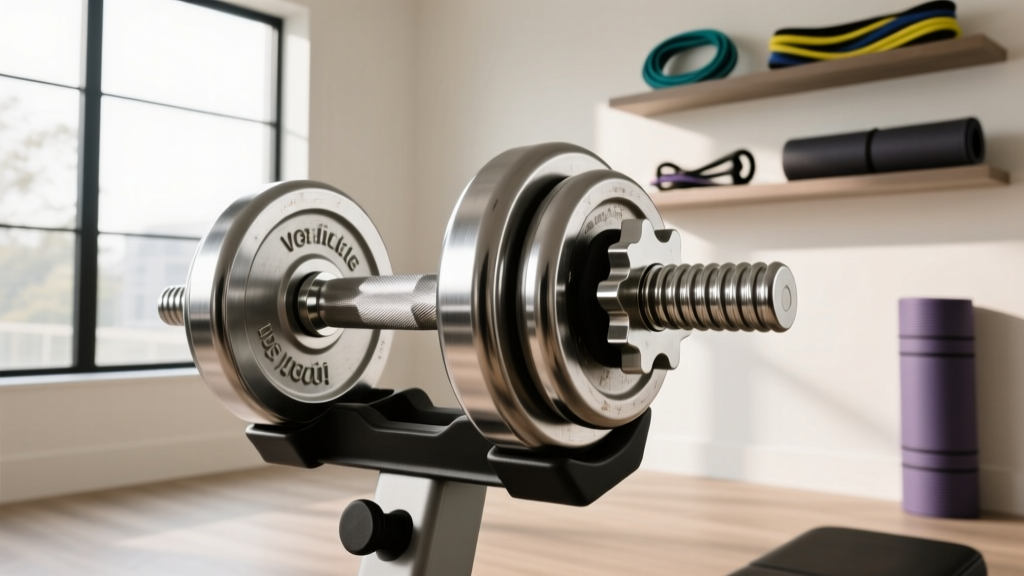
When building a home gym, back training often presents a unique logistical challenge. Without a dedicated cable machine, athletes frequently resort to simulating lat pull downs with dumbbells through heavy pullovers, renegade rows, and single-arm bent-over rows. While effective for initial hypertrophy and muscular endurance, dumbbells eventually cap your progressive overload due to grip limitations, stabilization demands, and the sheer awkwardness of hoisting 100-pound dumbbells into position.
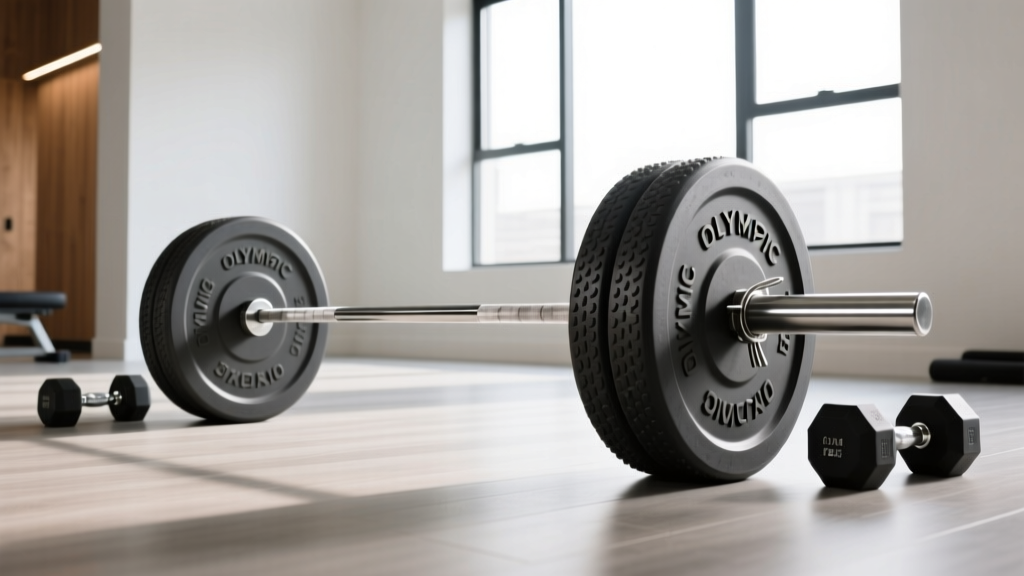
To truly unlock your posterior chain potential and move serious weight, you need an Olympic barbell. However, upgrading from dumbbells to a barbell requires understanding the metallurgical nuances of the equipment. Not all steel is created equal. In this comprehensive buying guide, we break down the critical metrics of Olympic barbell weight tolerances, tensile strength, and knurling topography to help you make an informed investment in 2026.
The Ceiling of Dumbbell Back Training
Before diving into barbell specifications, it is vital to understand why transitioning away from dumbbells is necessary for advanced strength gains. When you attempt to replicate the vertical pulling mechanics of a lat pulldown using heavy dumbbells, your core and stabilizer muscles often fail before your lats do. Furthermore, gripping a massive dumbbell handle during heavy rows places immense strain on the forearm flexors, limiting the actual load your back can handle.
An Olympic barbell solves this by centralizing the load, allowing you to utilize bilateral movements like heavy barbell rows, Pendlay rows, and deadlifts. But to safely handle loads exceeding 400 pounds, the barbell itself must possess the correct metallurgical properties. This brings us to the most misunderstood metric in fitness equipment: barbell weight tolerances and PSI.
Decoding Barbell Weight: Tensile Strength vs. Yield Strength
When consumers read about "barbell weight," they usually think of the starting weight (typically 20kg or 44lbs). However, from an engineering perspective, "weight" refers to the bar's load capacity and structural integrity, measured in Pounds per Square Inch (PSI).
Tensile Strength vs. Yield Strength
- Tensile Strength: The maximum stress the steel can withstand while being stretched or pulled before breaking (snapping in half).
- Yield Strength: The stress point at which the steel begins to deform plastically. If a bar exceeds its yield strength, it will permanently bend and will not return to its original straight form.
Many budget-friendly barbells found on general e-commerce platforms advertise a tensile strength of 150,000 PSI. While they won't snap during a standard bench press, dropping a 150k PSI bar from shoulder height during a heavy power clean or failing a deadlift can easily exceed its yield strength, resulting in a permanently bent bar. According to BarBend's comprehensive barbell guide, serious lifters should consider 165k PSI the absolute minimum, with 190k+ PSI being the gold standard for heavy compound lifting.
The "Whip" Factor in Back Training
PSI also dictates a barbell's "whip" (flexibility). Olympic weightlifting bars (usually 190k to 215k PSI with a 28mm diameter) are designed to bend and store elastic energy. However, for heavy back training and deadlifts, you want a stiffer power bar (typically 205k+ PSI with a 29mm diameter) to ensure the weight doesn't bounce unpredictably off the floor or during heavy Pendlay rows.
Knurling Topography: Your Grip's Best Friend
If tensile strength is the skeleton of the barbell, the knurling is the skin. Knurling is the cross-hatched pattern machined into the steel shaft to increase friction. For athletes transitioning from lat pull downs with dumbbells to heavy barbell rows, knurling depth and pattern will dictate whether the bar stays in your hands or slides off your sweaty palms. As detailed in Garage Gym Reviews' knurling breakdown, there are three primary knurl profiles on the market today.
| Knurl Type | Profile Description | Aggression Level | Best Application |
|---|---|---|---|
| Hill | Shallow valleys with rounded, flattened peaks. | Low / Passive | High-rep conditioning, beginners, pressing movements. |
| Mountain | Deep valleys with sharp, pointed peaks. | High / Aggressive | Heavy deadlifts, strongman events, chalk-heavy lifting. |
| Volcano | Deep valleys with a rimmed, crater-like peak. | Medium-High / Grippy | The ultimate hybrid. Heavy rows, squats, and Olympic lifts. |
Why Volcano Knurling Dominates in 2026
For the majority of home gym owners, volcano knurling is the superior choice. The machining process creates a rim around the peak of each knurl, providing immense surface area for grip without the sharp, skin-tearing edges of a mountain knurl. When performing heavy bent-over rows—where the bar is actively trying to pull away from your fingers due to gravity—a volcano knurl bites into the calluses just enough to secure the load without requiring excessive amounts of chalk or tearing your hands open.
Coating and Oxidation: Protecting the Knurl
The knurling pattern is only as good as the coating applied over it. In 2026, the market has largely shifted away from cheap black zinc and decorative chrome in favor of performance-driven finishes.
- Stainless Steel: The premium standard. It offers the rawest, most "bare steel" feel, allowing the knurl to bite deeply without any coating filling in the valleys. It is highly resistant to rust and requires minimal maintenance.
- Cerakote: A ceramic-polymer coating originally designed for firearms. It offers incredible rust resistance and comes in various colors. However, if applied too thickly, it can slightly dull the aggression of a volcano knurl.
- Hard Chrome: A classic, durable finish. While it resists wear well, chrome can feel slippery when wet with sweat, making it less ideal for heavy back training unless the knurl is cut exceptionally deep.
- Bare Carbon Steel: Offers the ultimate grip and feels incredible, but requires relentless maintenance (daily oiling and brushing) to prevent oxidation. Not recommended for humid garage gyms.
2026 Premium Barbell Comparison Matrix
To help you transition from dumbbell back workouts to heavy barbell training, we have evaluated three of the top-performing barbells on the market, focusing on their suitability for heavy pulling movements.
| Barbell Model | Tensile Strength | Knurl Profile | Coating | Price Range |
|---|---|---|---|---|
| Rogue Ohio Power Bar (Stainless) | 205,000 PSI | Aggressive Volcano | Stainless Steel Shaft | $395 - $425 |
| Kabuki Strength New Generation Power Bar | 250,000 PSI | Deep Mountain/Volcano Hybrid | Electroless Nickel | $365 - $400 |
| Eleiko Olympic WL Competition Bar | 215,000 PSI | Refined Volcano (IWF Spec) | Polished Chrome | $1,100+ |
Editor's Note: For pure back training and heavy rows, the Rogue Ohio Power Bar remains the undisputed king of the mid-tier market. Its 29mm shaft diameter and aggressive stainless steel knurl ensure that grip will never be the limiting factor during heavy Pendlay rows.
Edge Cases: Bushing vs. Bearing Wear
When buying a barbell for back training, pay attention to the sleeve rotation mechanism. Power bars utilize bronze or composite bushings, which provide a slower, more controlled sleeve rotation. This is ideal for heavy, slow pulls like deadlifts and barbell rows. Conversely, Olympic weightlifting bars use needle bearings to allow the sleeves to spin rapidly during cleans and snatches. Using a bearing-heavy bar for slow, heavy rows can sometimes result in unnecessary sleeve chatter and premature wear if the bar is frequently dropped off-center.
Maintenance: Preserving Your Knurl
Dead skin, chalk, and environmental moisture are the enemies of barbell knurling. When chalk packs into the valleys of a volcano knurl, it creates a smooth, slippery surface that defeats the purpose of the machining.
"A $400 stainless steel barbell with a clogged knurl will feel worse than a $150 big-box store bar. Invest in a stiff nylon-bristle brush and wipe your bar down with a microfiber cloth and a light coat of 3-in-One oil or mineral oil once a month."
Frequently Asked Questions
Can I use a power bar for Olympic lifts if I also want to do heavy rows?
While you can use a 29mm power bar for Olympic lifts, the thicker shaft and stiffer whip make catching cleans incredibly harsh on the wrists and clavicles. If you must do both, look for a "hybrid" or "multi-purpose" bar with a 28.5mm shaft and dual knurl marks, utilizing bushings rather than pure needle bearings.
How do I transition from dumbbell pullovers to barbell work?
Dumbbell pullovers isolate the lats through a long stretch. To replicate this with a barbell, incorporate barbell pullovers (lying on a bench) or, more effectively, deficit Pendlay rows and Yates rows. These movements allow you to load the lats heavily while the barbell's knurling secures your grip, bypassing the stabilization limits of dumbbells.
Is center knurling necessary for back training?
Center knurling is primarily designed to grip the back of the shirt or traps during heavy back squats. For back training (rows, deadlifts), it is largely irrelevant. However, a subtle center knurl can help you blindly center the bar on your thighs before initiating a deadlift pull, ensuring perfect bilateral balance.
More gear to consider
All reviews
Barbell Collar Types Compared & Best Forearm Workouts with Dumbbells

Rubber Hex vs Urethane: Bulgarian Split Squats One Dumbbell Care

Power Rack vs Squat Stand for Barbell and Dumbbell Shoulder Press
Cast Iron vs Competition Kettlebells & Black Dumbbell Set Value

Close Grip Dumbbell Press: Adjustable Dumbbell Mistakes & Fixes