
Barbell Collar Mistakes: Female Dumbbell Weight Sets to Pro Clamps
Troubleshoot common barbell collar mistakes, from female dumbbell weight spinlocks to Olympic clamps. Expert comparisons, safety fixes, and gear guides.

Transitioning from lighter, fixed-grip equipment to a full Olympic barbell setup is a major milestone in strength training. However, this progression often introduces a critical blind spot: barbell collar and clamp selection. Whether you are upgrading from a fixed neoprene female dumbbell weight set to your first barbell, or dealing with the female-threaded spinlock nuts on adjustable 1-inch handles, misunderstanding collar mechanics is a leading cause of home gym accidents and uneven loading.
In this 2026 troubleshooting guide, we break down the most common mistakes lifters make when selecting, applying, and maintaining barbell collars. We will compare the major clamp types on the market and provide actionable fixes for stripped threads, slipping springs, and stuck hardware.
The Hardware Gap: Fixed Dumbbells vs. Threaded Spinlocks
Many beginners start their fitness journey with a fixed female dumbbell weight set—typically ranging from 3 lbs to 15 lbs, coated in neoprene or urethane, and designed for high-repetition toning. Because these fixed dumbbells require no collars, users often develop a false sense of security regarding weight retention. When these lifters transition to adjustable dumbbells or Olympic barbells, they frequently underestimate the lateral force exerted on plates during dynamic movements like deadlifts or hip thrusts.
⚠️ SAFETY WARNING: The 'Female Thread' TrapAdjustable 1-inch standard dumbbell bars use a 'female-threaded' spinlock nut (the nut has internal threads that screw onto the male-threaded bar). A common and dangerous mistake is attempting to force a 1-inch female spinlock nut onto a 2-inch Olympic barbell sleeve, or vice versa. This cross-threading destroys the hardware and guarantees the weight will slide off mid-lift.
Barbell Collar and Clamp Types: 2026 Comparison Matrix
To troubleshoot your setup, you must first understand the mechanical limits of each collar type. According to equipment testing by BarBend, using the wrong collar for the wrong movement is the most frequent cause of plate migration. Below is a comprehensive comparison of the four primary collar types used in modern gyms.
| Collar Type | Best Application | Max Drop Tolerance | 2026 Price Range | Primary Failure Mode |
|---|---|---|---|---|
| Spring Collars | Light pressing, benching, general fitness | Low (No drops) | $8 - $15 | Spring fatigue / loss of tension |
| Spinlock (Female/Male) | Standard 1' adjustable dumbbells | Medium | $12 - $25 | Stripped threads / cross-threading |
| Lock-Jaw / Clamp | Olympic lifting, CrossFit, heavy drops | High | $25 - $40 | Slipping on rusted/scratched sleeves |
| Competition (IWF) | Powerlifting, Olympic weightlifting | Extreme | $45 - $75 | Cam lever mechanism wear |
Top 5 Collar Mistakes and How to Troubleshoot Them
Even experienced lifters fall into bad habits when fatigued. Here are the most common errors we see in home and commercial gyms, along with exact troubleshooting steps.
1. Using Spring Collars for Olympic Drops
Spring collars rely on the radial tension of a 9mm steel wire. While excellent for keeping plates snug during a bench press, they possess virtually zero lateral clamping force. If you drop a barbell from the top of a power clean, the kinetic energy transfers through the sleeve, causing the plates to compress and the spring collar to pop off.
The Fix: Reserve spring collars strictly for controlled, non-impact movements. For any lift where the barbell leaves the floor or is dropped, upgrade to a glass-reinforced nylon clamp like the Lock-Jaw Pro.
2. Over-Tightening Female Spinlock Nuts
When using 1-inch adjustable dumbbell handles, lifters often crank the female-threaded spinlock nut as tight as possible by hand, or worse, use a wrench. This crushes the internal threads against the male bar, leading to micro-fractures in the cast iron or stamped steel.
The Fix: Hand-tighten the nut until it is snug against the plate, then give it one additional quarter-turn. If the nut rattles during a set, your plates are not seated flush. Remove the nut, check for debris in the threads, and reseat the plates.
3. Ignoring Sleeve Tolerances and Knurling Interference
Not all Olympic sleeves are created equal. While the standard is 50mm, manufacturing tolerances mean some sleeves measure 49.5mm while others measure 50.2mm. A clamp calibrated for a tight 50.2mm sleeve will slide right off a 49.5mm sleeve during a heavy deadlift.
The Fix: Test your clamps on your specific barbell. If a lever-style clamp feels loose, look for models with adjustable tension bolts (like the Rogue HG 3.0 Collars) that allow you to dial in the exact clamping pressure for your bar's specific sleeve diameter.
4. Misusing Clamps on Bent or Rusted Sleeves
Clamp-style collars require a smooth, cylindrical surface to create uniform friction. If your barbell sleeve is pitted from rust, or slightly bent from being dropped without plates, the clamp will only make partial contact. Under load, this uneven pressure causes the clamp to shear or slip.
The Fix: Maintain your barbell sleeves. Use a nylon brush and 3-in-One oil to remove surface rust weekly. If the sleeve is physically bent, the barbell is compromised and must be retired or professionally machined.
5. Forgetting Collar Weight in Progressive Overload
According to the International Weightlifting Federation (IWF), official competition collars weigh exactly 2.5 kg (5.5 lbs) each. Many lifters track their barbell math assuming the collars are weightless, leading to inaccurate load calculations over a 12-week program.
The Fix: Know your gear. Standard spring collars weigh roughly 0.2 lbs each. Heavy-duty aluminum competition clamps weigh up to 1.5 lbs each. Factor this into your spreadsheet, especially when chasing micro-PRs.
Quick Fix Guide: Stripped Threads and Stuck Clamps
Hardware fails. When it does, do not resort to brute force, which will permanently damage your expensive barbell sleeves. Use these expert troubleshooting methods:
- Stuck Spinlock Nut (Corrosion): If a female-threaded nut is seized to the dumbbell handle due to sweat and oxidation, do not use a pipe wrench. Spray the threads with a penetrating catalyst like PB Blaster. Let it sit for 15 minutes. Tap the outer edge of the nut gently with a rubber mallet to break the corrosion bond via vibration, then unscrew by hand.
- Slipping Spring Collar: If your spring collars are sliding off but you aren't ready to buy new ones, remove the collar and use pliers to slightly bend the inner wire tabs inward. This artificially restores the radial tension. Note: This is a temporary fix; replace the springs every 12 months.
- Jammed Lever Clamp: If a cam-lever Olympic clamp gets stuck in the 'closed' position due to chalk buildup in the hinge, submerge the hinge mechanism in warm water and white vinegar for 30 minutes. Scrub with a stiff toothbrush, dry completely, and apply a drop of silicone lubricant to the pivot pin.
Frequently Asked Questions
Can I use Olympic barbell collars on my adjustable dumbbells?
No. Olympic collars are designed for 50mm (2-inch) sleeves. Most adjustable dumbbells, especially those marketed alongside a female dumbbell weight starter kit, use 25mm or 28mm (1-inch) standard sleeves. You must use collars specifically sized for your sleeve diameter.
Why do my lock-jaw clamps leave marks on the barbell?
Lock-jaw clamps use a hard nylon resin to grip the steel sleeve. If you drag the clamp laterally across the sleeve while tightening it, rather than placing it flush and snapping it shut, the nylon will scrape the chrome or zinc coating. Always place the clamp straight onto the sleeve before engaging the locking mechanism.
Are competition collars necessary for home gym powerlifting?
While not strictly necessary for casual lifting, competition collars (like those from top-rated brands reviewed by Garage Gym Reviews) provide immense peace of mind for heavy, unevenly loaded lifts like single-arm landmine presses or heavy sumo deadlifts. The sheer clamping force prevents the plates from shifting, which can alter your biomechanics mid-lift and cause lower back injuries.
Proper collar selection and maintenance are just as important as the plates themselves. By understanding the mechanical differences between female-threaded spinlocks, spring wires, and lever clamps, you ensure every rep is safe, stable, and accurately tracked.
More gear to consider
All reviews
Beyond the Dumbbell Ladder Workout: Olympic vs Standard Plates

Rogue vs REP Barbells: Knurling & Lying Dumbbell Hamstring Curls

Bumper vs Iron Plate Care: Beyond the Dumbbell Lateral Raise Workout
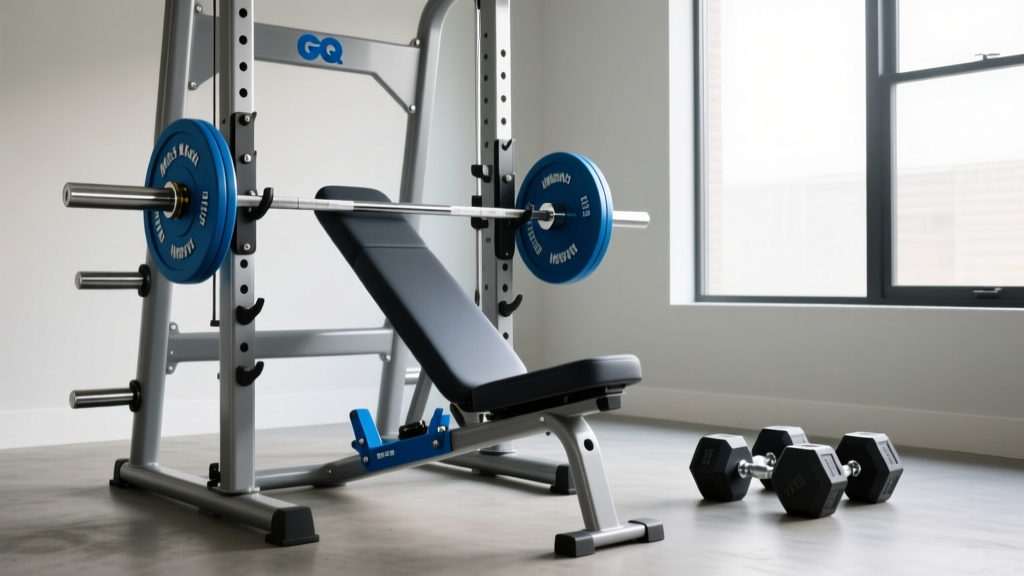
Chest Station Setup: Barbell Clamps & Dumbbell Fly for Upper Chest

Dumbbell Push Jerks to Barbells: Troubleshooting Weight & Knurling
