
Dumbbell Rack Care for Lats Exercises with Dumbbells
Learn how to maintain and reinforce your dumbbell rack to withstand the heavy impacts of back day and lats exercises with dumbbells for maximum longevity.

The Hidden Toll of Back Day on Your Storage Gear
When building a comprehensive home or commercial gym, enthusiasts often invest thousands in premium free weights but treat the storage infrastructure as an afterthought. However, your dumbbell rack is a critical piece of structural equipment that endures immense physical stress. This is especially true on back day. The dynamic nature of pulling movements means that weights are frequently picked up from awkward angles, subjected to high-velocity eccentrics, and returned to the rack with less control than pressing movements. Proper dumbbell rack care is not just about aesthetics; it is about preventing catastrophic hardware failure and protecting your investment.
Why Lats Exercises with Dumbbells Accelerate Rack Wear
When you finish a grueling set of single-arm rows or heavy pullovers—two of the most effective lats exercises with dumbbells—your grip is often completely fried. The natural instinct is to let the heavy iron drop or slam onto the rack shelf rather than controlling the descent. A 120-pound dumbbell dropped from just six inches above the shelf generates hundreds of pounds of instantaneous impact force. Over time, this repetitive shock loading causes micro-fractures in TIG welds, loosens structural hardware, and degrades the protective rubber or urethane coatings on both the dumbbells and the rack shelves.
⚠️ WARNING: The Eccentric Drop HazardBecause lats exercises with dumbbells frequently involve high-torque, uneven loading, users often twist their wrists when racking heavy weights. This lateral twisting force against the rack's guide rails can bend steel lips and snap spot-welded dividers if the rack is not properly reinforced and maintained.
Assessing Your Current Dumbbell Rack for Structural Fatigue
Before diving into maintenance routines, you must audit your current storage solution. Most standard commercial racks are built from 11-gauge or 12-gauge steel, but the failure points rarely occur in the main tubing. Instead, fatigue manifests at the junctions. According to equipment longevity analyses by Garage Gym Reviews, environmental factors combined with physical impact are the primary drivers of premature gym equipment degradation.
| Rack Component | Stressor from Lat Training | Common Failure Mode | Preventative Action |
|---|---|---|---|
| Shelf-to-Upright Welds | Vertical impact shock from dropping heavy DBs after rows | Hairline cracks in the weld bead; shelf sagging | Bi-annual weld inspection; install UHMW shelf liners |
| Hardware / Bolts | Vibration and lateral twisting during racking | Nylon lock nuts back out; structural wobble | Torque to 65 ft-lbs; apply medium-strength threadlocker |
| Guide Rails / Dividers | Asymmetric placement and dragging of hex heads | Bent rails; chipped powder coating leading to rust | Touch up with rust-inhibiting enamel; enforce strict racking rules |
Step-by-Step Maintenance Protocol for Heavy-Duty Racks
To ensure your rack can handle the rigorous demands of your training split, implement this quarterly maintenance protocol. This is especially vital if you frequently perform high-volume lats exercises with dumbbells, which generate more rack-return impacts than isolated bicep or shoulder work.
- Hardware Re-Torquing: Using a calibrated torque wrench, check all structural bolts. For standard 3/4-inch Grade 5 hardware on 11-gauge steel uprights, set your wrench to 65 ft-lbs. Over-tightening can crush the steel tubing or strip the threads, while under-tightening allows the vibration from heavy dumbbell drops to slowly rattle the nuts loose.
- Threadlocker Application: If you find bolts that consistently loosen, remove them, clean the threads with isopropyl alcohol, and apply a drop of Loctite 243 (medium strength, blue). This allows for future removal with hand tools but prevents vibrational backing-out.
- Weld Penetrant Testing: Wipe down the shelf welds with a clean microfiber cloth. Apply a light mist of WD-40 or a dedicated penetrant. Wipe it away immediately. If a dark line remains in the crevice of the weld, you have a micro-fracture that requires professional TIG re-welding before the shelf fails under load.
- Powder Coat Touch-Ups: Heavy hex dumbbells will inevitably chip the powder coat on the rack's guide rails. Exposed steel will oxidize rapidly in humid garage environments. Keep a can of rust-inhibiting appliance touch-up epoxy on hand to seal these chips immediately.
Upgrading and Reinforcing Your Storage Solution
If your current rack is bowing or showing signs of irreversible fatigue, it is time to upgrade to a storage solution engineered for high-impact returns. When researching equipment longevity, experts at BarBend emphasize that commercial-grade steel thickness and sloped shelf designs are paramount for heavy-duty environments.
Best Racks for High-Impact Returns
- Rogue Monster Utility Dumbbell Rack 3.0 ($495 - $650): Constructed from 3x3-inch 11-gauge steel, this rack features laser-cut numbering and a slightly sloped shelf design that naturally pulls the dumbbell heads against the back rail, reducing the chance of them rolling off after an aggressive set of pullovers.
- Rep Fitness SR-4000 Dumbbell Rack ($349 - $429): A highly modular option that integrates directly into the PR-4000 or SR-4000 power rack ecosystem. Its heavy-duty gusseted shelves provide exceptional resistance to the sheer downward force generated when dropping 100+ pound dumbbells.
- Eleiko Olympic Dumbbell Rack ($1,200+): For commercial facilities where dozens of users perform lats exercises with dumbbells daily, Eleiko's reinforced polyurethane-lined shelves absorb impact shock, drastically reducing noise and protecting both the rack and the premium dumbbells.
Preserving the Dumbbells Themselves During Storage
Maintenance is a two-way street; protecting the rack also means protecting the dumbbells. When you are fatigued from back training, it is common to toss the weights onto bare steel shelves. This causes 'pancaking' (where the rubber or urethane head separates from the steel core) and degrades the knurling on the handles if they strike the rack rails.
The UHMW Polyethylene Solution
Line your dumbbell rack shelves with 1/16-inch thick UHMW (Ultra-High Molecular Weight) polyethylene tape or custom-cut strips. UHMW is incredibly slick, highly impact-resistant, and will not degrade or leave black marks on your equipment like standard rubber mats do. This simple $40 upgrade absorbs the kinetic energy of dropped weights and extends the life of your urethane dumbbell heads by years.
"Urethane dumbbells are highly durable, but they are not invincible. Repeated high-impact drops onto unprotected steel shelves will eventually cause the internal steel core to break through the urethane casing, rendering the dumbbell unsafe for floor-based movements like renegade rows."
— Equipment Maintenance Guidelines, FitGearPulse Labs
Frequently Asked Questions
How often should I inspect my dumbbell rack if I train back twice a week?
If you are running a high-frequency split that includes heavy lats exercises with dumbbells twice a week or more, you should perform a quick visual and physical hardware check every 8 to 12 weeks. Pay special attention to the bolts securing the lowest shelf, as this tier endures the highest impact force when users drop heavy dumbbells from a standing position.
Can I use rubber mats to line my dumbbell rack shelves?
While you can, it is not recommended. Standard rubber horse stall mats or EVA foam tiles will compress permanently under the point-load of heavy dumbbell heads, eventually bottoming out and transferring the shock directly to the steel shelf. Furthermore, rubber can trap moisture against the steel, accelerating rust. UHMW polyethylene or high-density nylon strips are vastly superior for rack lining.
Does the type of dumbbell affect rack longevity?
Yes. Hex-headed rubber dumbbells have sharp edges that can chip powder coating and concentrate impact force on small surface areas. Round urethane dumbbells distribute impact more evenly and roll slightly upon impact, which dissipates kinetic energy and reduces the sheer stress on the rack's welds. Upgrading to round urethane bells is one of the best ways to protect your storage infrastructure.
More gear to consider
All reviews
Barbell Collar & Clamp Types: The Chopping Wood Exercise Dumbbell Test
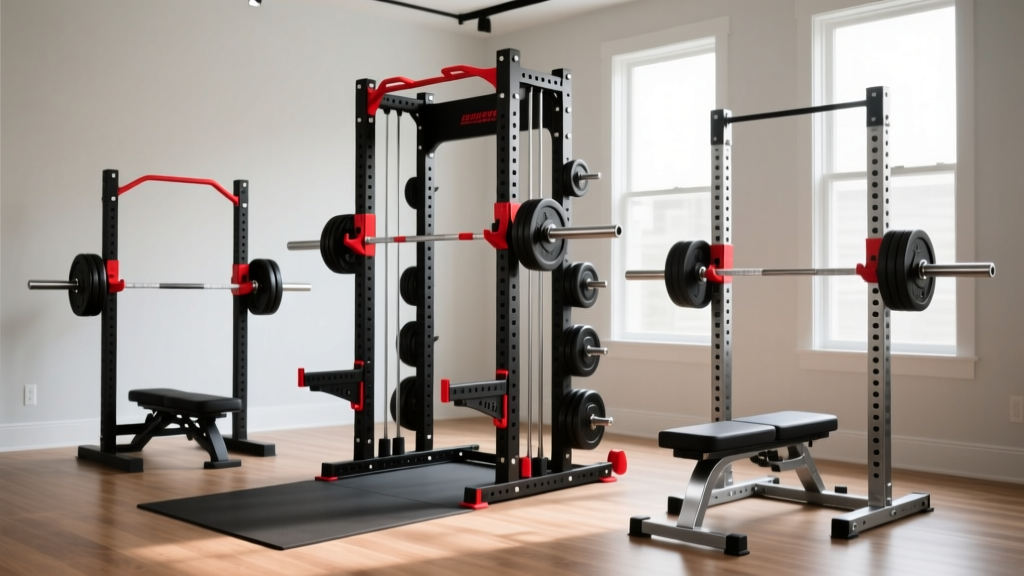
Power Rack vs Squat Rack vs Stand for Upper Body Dumbbell Workouts

Troubleshooting Dumbbell Squat Variations: Olympic vs Standard Plates

Standard vs Olympic Plates: Loading for the Hammer Dumbbell Curl

Bumper Plate vs Iron Plate & Dumbbell Shrugs Gear Review
