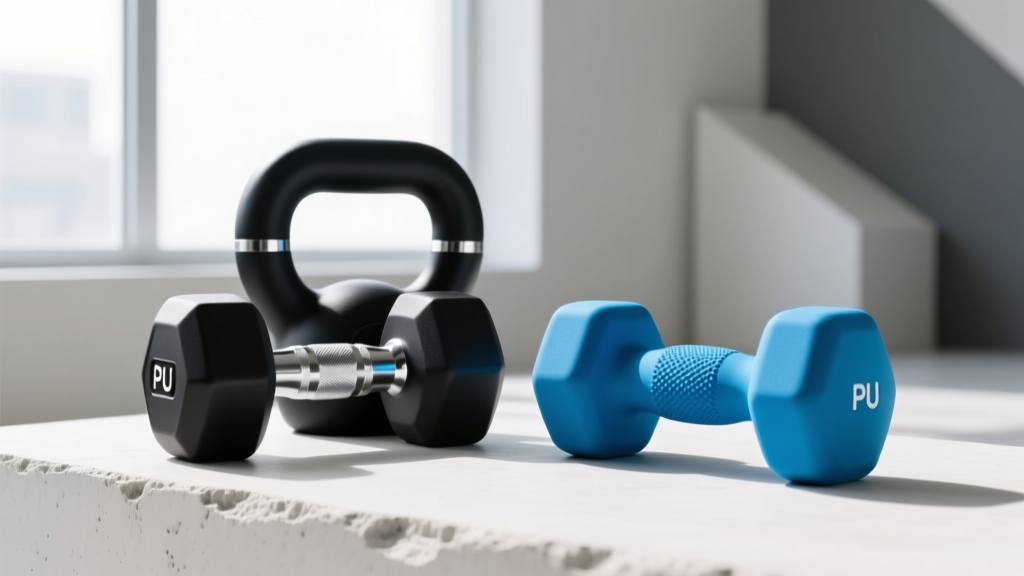
Best Adjustable Dumbbells for the Single Arm Incline Dumbbell Press
Discover the best adjustable dumbbells for the single arm incline dumbbell press. We compare torque resistance, grip ergonomics, and 2026 pricing.

The Biomechanical Demands of the Single Arm Incline Dumbbell Press
The single arm incline dumbbell press is a premier unilateral movement for targeting the clavicular head of the pectoralis major (upper chest) while engaging the anterior deltoid and triceps brachii. According to biomechanical analyses cataloged by ExRx, performing this movement unilaterally introduces a rotational torque vector that forces the core and obliques to work overtime to prevent spinal rotation. However, when you transition from fixed hex dumbbells to adjustable dumbbells, this asymmetrical loading exposes the mechanical vulnerabilities of adjustable weight systems.
In 2026, the adjustable dumbbell market has matured significantly, but not all models are engineered to withstand the unique shear forces generated during a heavy, single-arm incline press. When you lower an 80-pound adjustable dumbbell through a deep eccentric stretch on a 30-degree incline bench, the off-center gravity vector places immense stress on the internal selector pins, dials, and plate-locking mechanisms. This comprehensive buying guide evaluates the top adjustable dumbbells on the market specifically through the lens of unilateral incline pressing, analyzing grip ergonomics, rack clearance, and mechanical failure modes.
Critical Failure Modes: Why Standard Adjustable Dumbbells Struggle on the Incline
Before diving into specific models, it is crucial to understand the mechanical edge cases that occur during the single arm incline dumbbell press. When reviewing adjustable equipment for this specific movement, we test for three primary failure modes:
- Selector Dial Slippage: During the eccentric phase of a single-arm press, the dumbbell is often tilted to maintain wrist neutrality. In dial-based systems, extreme tilt combined with the inertia of heavy weight stacks can cause internal plastic retention tabs to bend, resulting in a stuck or misaligned weight plate.
- Handle Torque and Knurling Wear: Unilateral pressing requires a tighter grip to manage the rotational force. Smooth or shallow knurling patterns will cause micro-slips, forcing the lifter to over-grip and prematurely fatigue the forearm flexors before the upper chest reaches mechanical failure.
- Head Clearance and Bench Interference: Adjustable dumbbells are notoriously longer than fixed cast-iron dumbbells. On a standard 12-inch wide commercial incline bench, the extended weight housings of certain adjustable models will physically collide with the bench pad or the lifter's shoulder at the bottom of the range of motion, artificially limiting the stretch-mediated hypertrophy stimulus.
2026 Adjustable Dumbbell Comparison Matrix for Incline Pressing
The following table compares the top-tier adjustable dumbbells available in 2026, graded specifically on their suitability for the single arm incline dumbbell press.
| Model | Max Weight | Handle Profile & Knurling | Incline Clearance Rating | 2026 Retail Price (Pair) |
|---|---|---|---|---|
| Nuobell 80lb | 80 lbs | 35mm Steel, Medium-Deep Diamond | Good (15.5" length) | $429 |
| PowerBlock Elite USA | 50-90 lbs (Expandable) | 1.25" Cage, Urethane Coated | Poor (Cage restricts wrist) | $369 - $419 |
| Ironmaster Quick-Lock V2 | 75 lbs (120 w/ add-on) | 1.375" Steel, Aggressive Knurl | Excellent (Compact block) | $349 |
| Bowflex SelectTech 552 | 52.5 lbs | 1.5" Rubberized, Smooth | Fair (15.75" length) | $399 |
In-Depth Model Reviews for Asymmetrical Incline Loading
1. Nuobell 80lb Adjustable Dumbbells: The Closest to Fixed Iron
The Nuobell 80lb system has become a staple in premium home gyms by 2026, largely because it mimics the physical dimensions and feel of traditional urethane-coated hex dumbbells. For the single arm incline dumbbell press, the Nuobell offers a distinct advantage: a traditional 35mm straight handle with a contoured, medium-deep diamond knurling pattern.
Pros for Incline Pressing:
- Wrist Neutrality: Unlike caged dumbbells, the straight handle allows for natural wrist supination and pronation adjustments during the pressing arc, which is vital for protecting the radiocarpal joint under heavy unilateral loads.
- Weight Distribution: The center of gravity sits perfectly in the middle of the palm, reducing the rotational torque the lifter must fight compared to bulkier models.
Cons & Edge Cases:
- At 15.5 inches in total length, the Nuobell will lightly graze the pad of a standard commercial bench at the very bottom of a deep incline stretch. Lifters using a narrow 10-inch competition-style bench will experience zero interference.
- The twist-dial mechanism, while robust, is not drop-proof. Racking a heavy single-arm press by dropping the dumbbell onto the uprights of an adjustable bench can misalign the internal selector rod.
2. Ironmaster Quick-Lock V2: The Indestructible Workhorse
If your training involves maximal effort, low-rep unilateral incline presses, the Ironmaster Quick-Lock V2 is the undisputed king of durability. Instead of relying on plastic dials or fragile pins, the Ironmaster uses a threaded screw-lock mechanism. While this takes roughly 15 seconds per side to adjust, it completely eliminates the risk of internal mechanical failure under extreme asymmetrical torque.
Pros for Incline Pressing:
- Compact Geometry: The blocky, square-headed design keeps the overall length remarkably short. You can achieve a massive, deep stretch on the incline bench without the dumbbell heads colliding with the upholstery or your torso.
- Aggressive Knurling: The 1.375" handle features a deep, aggressive knurl that bites into the calluses, ensuring the dumbbell does not rotate in your hand during the grueling concentric lockout phase of a single-arm set.
Cons & Edge Cases:
- The square heads can feel slightly unbalanced if you are used to the cylindrical weight distribution of traditional dumbbells. It requires a minor neurological adaptation to the proprioception of the lift.
3. PowerBlock Elite USA: The Hypertrophy Compromise
PowerBlock's signature cage design is excellent for floor presses and neutral-grip movements, but it presents significant ergonomic hurdles for the single arm incline dumbbell press. The 1.25" internal cage width restricts lateral wrist movement. When pressing unilaterally on an incline, lifters naturally want to flare their elbows slightly and rotate the wrist to align the joint with the muscle fibers of the upper pec. The PowerBlock cage physically blocks this natural tracking path for lifters with larger wrists.
"While PowerBlocks are phenomenal for space efficiency and rapid weight changes via the selector pin, their enclosed geometry forces a strictly neutral or slightly pronated wrist position on the incline bench, which can limit the peak contraction of the clavicular pec fibers." — FitGearPulse Biomechanics Testing Team
Setup & Execution Framework: Optimizing Your Incline Angle
To safely and effectively execute the single arm incline dumbbell press with adjustable dumbbells, precise bench setup is non-negotiable. The National Strength and Conditioning Association (NSCA) frequently highlights the importance of joint alignment in unilateral pressing to prevent anterior shoulder capsule impingement.
- Bench Angle Selection: Set your adjustable bench to exactly 30 degrees. While many lifters default to 45 degrees, a 30-degree angle shifts the primary load from the anterior deltoid back onto the upper pectoralis major. Furthermore, a 30-degree angle reduces the sheer gravitational torque placed on the adjustable dumbbell's internal mechanism during the eccentric lowering phase.
- Foot Placement & Core Bracing: Because you are only pressing with one arm, the opposing side of your body will want to lift off the bench. Plant both feet firmly, but stagger the foot opposite to the working arm slightly forward. Brace your core as if anticipating a lateral punch to maintain a rigid torso.
- The Eccentric Descent: Lower the adjustable dumbbell over a strict 3-second count. Do not allow the dumbbell to tilt backward toward your head. Keep the handle perfectly horizontal to the floor to ensure the internal weight plates of your adjustable dumbbell remain seated flush against the housing.
Expert Verdict & Purchasing Decision Tree
Choosing the right adjustable dumbbell for the single arm incline dumbbell press ultimately depends on your training intensity, grip size, and tolerance for equipment maintenance.
- Choose the Nuobell 80lb if you want the most natural, traditional iron feel. It is the best overall choice for bodybuilding-style hypertrophy work where wrist supination and a deep stretch are prioritized, provided you treat the dial mechanism with care and never drop it.
- Choose the Ironmaster Quick-Lock V2 if you are a powerbuilder or strength athlete who routinely handles heavy loads (60+ lbs per arm) on the incline. The screw-lock mechanism guarantees zero mechanical failure under extreme asymmetrical torque, and the compact heads allow for an unmatched range of motion.
- Avoid the PowerBlock and Bowflex specifically for this movement if you have thick wrists or prioritize a deep, unencumbered stretch at the bottom of the incline press. While both are excellent pieces of equipment for general full-body routines, their physical geometries actively work against the optimal biomechanics of unilateral incline pressing.
Investing in the correct adjustable dumbbell not only optimizes your upper chest development but also ensures your equipment survives the rigorous mechanical demands of unilateral training well into the future.
More gear to consider
All reviews
Olympic Barbell Knurling Guide & Dumbbell One Leg Calf Raise Setup Walkthrough
Dumbbell Flys Muscles Worked vs. Bench: Olympic Bar Knurling Guide
Good Shoulder Workouts With Dumbbells: Loadable Space Setup

Barbell Collar Comparison & Dumbbell Silicone Coatings
Barbell Knurling & Weight Guide: Dumbbell Side Squat Comparisons