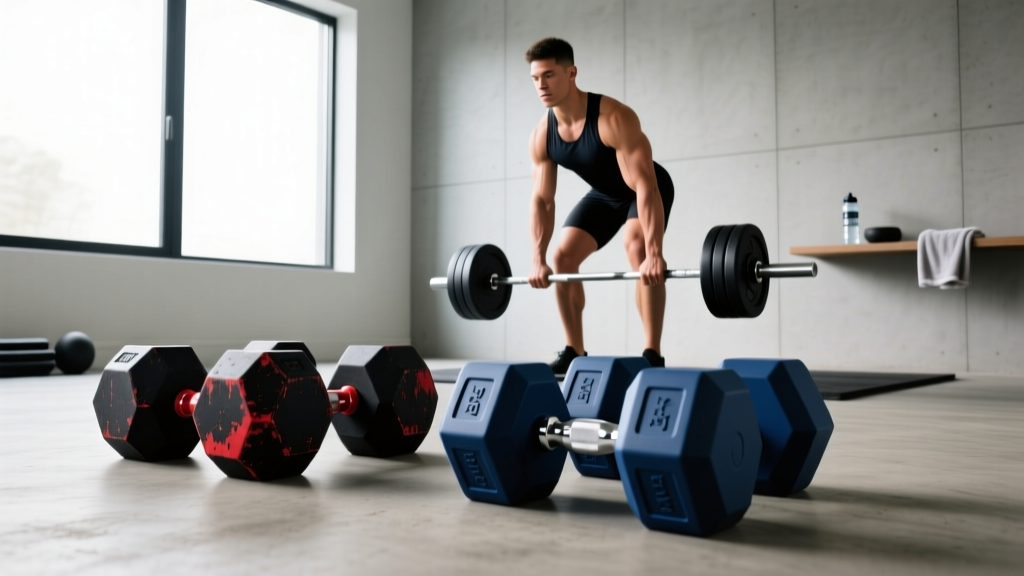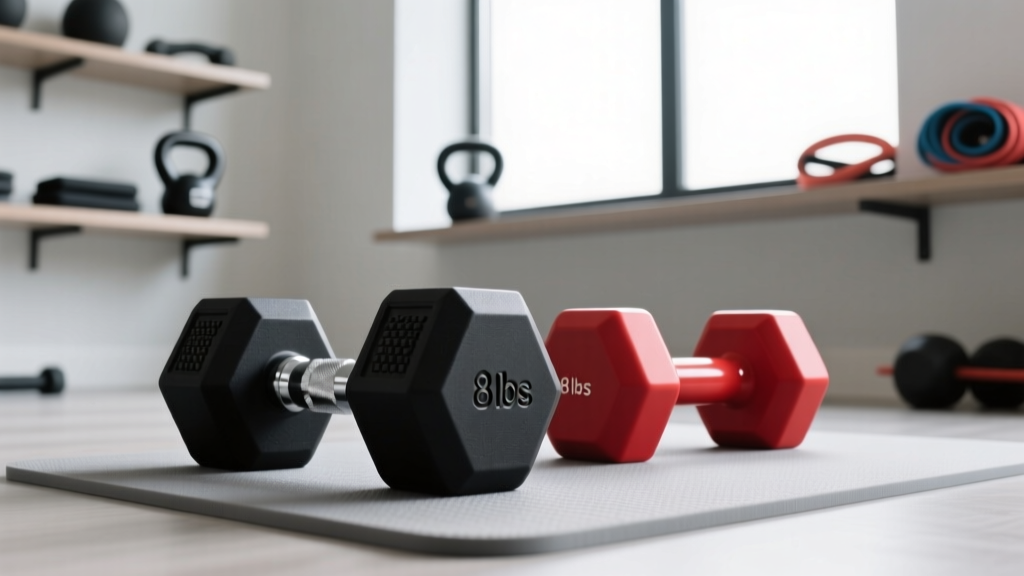
8 lbs Dumbbell Value: Rubber Hex vs Urethane Cost Breakdown
Is an 8 lbs dumbbell worth the investment? We break down the real cost, durability, and value of rubber hex vs urethane for rehab and home gyms.

Most fitness equipment buying guides focus heavily on the 25 to 50-pound range, catering to general strength training and muscle hypertrophy. However, the 8 lbs dumbbell occupies a highly specific, critical niche in both commercial facilities and home gyms. It serves as the vital bridge between the often-too-light 5-pound increment and the sometimes-too-heavy 10-pound weight. This specific increment is a staple in physical therapy clinics, rotator cuff rehabilitation protocols, and high-repetition metabolic conditioning.
When outfitting a facility or building a specialized home rehab station, buyers typically face a choice between budget-friendly rubber hex dumbbells and premium urethane options. But does a premium material make sense for such a light weight? In this 2026 value analysis, we break down the material science, structural vulnerabilities, and true cost-per-year of ownership to help you make the right purchasing decision.
The 8 lbs Dumbbell Niche: Rehab, Endurance, and the Increment Gap
Why does the 8 lbs dumbbell matter so much? According to Harvard Health Publishing, light resistance training is paramount for aging populations and individuals recovering from joint injuries, as it builds bone density and stabilizes connective tissue without overloading compromised joints. The 8-pound increment allows for progressive overload in micro-doses. A patient might max out at 5 lbs for lateral raises but find 10 lbs impossible; the 8 lb weight provides the exact mechanical tension required for adaptation.
Because these dumbbells are used for high-repetition sets, isolation movements, and clinical rehabilitation, they are handled frequently, dropped from low heights, and exposed to sweat and cleaning chemicals. This usage profile drastically changes the value proposition of the materials used to coat them.
Material Science: Virgin Rubber vs. Polyurethane
To understand the budget breakdown, we must first look at the polymer science governing these two coatings.
Virgin Rubber Hex
Budget rubber hex dumbbells are typically cast from a mixture of natural and synthetic rubber, often vulcanized around a solid cast-iron or steel core. They usually feature a Shore A durometer (hardness) rating between 70 and 75. While virgin rubber is vastly superior to the recycled tire rubber found in ultra-cheap imports—which notoriously off-gas volatile organic compounds (VOCs) and leave black streaks on floors—it remains susceptible to UV degradation and oxidation over time.
Urethane (PU)
Urethane is a premium thermoset polyurethane. According to the British Plastics Federation, polyurethanes offer exceptional resistance to abrasion, tearing, and environmental degradation. Urethane dumbbells typically boast a Shore A durometer of 85 to 90, making them significantly harder and more dense than rubber. They do not off-gas, they are completely UV stable, and they resist absorbing moisture or oils from human skin.
The Physics Problem: Grip-to-Head Mass Ratio
Here is where most generic reviews fail to address the reality of light dumbbells. When evaluating an 8 lbs dumbbell, you must consider the grip-to-head mass ratio.
Expert Insight: The Handle Dominates the WeightA standard 35mm thick, 5.5-inch long steel dumbbell handle weighs approximately 3.2 to 3.5 lbs. That means on an 8 lb dumbbell, the handle accounts for nearly 40% of the total mass. This leaves only about 2.25 to 2.4 lbs of rubber or urethane per side to form the 'head' of the dumbbell.
Because the heads are so physically small, they lack the surface area and volumetric depth required to absorb kinetic energy. If a user drops an 8 lb rubber hex dumbbell from waist height onto a rubber mat, the tiny rubber head compresses entirely, transferring the shockwave directly into the steel handle and the weld junction. This structural reality is the primary driver of failure modes in light dumbbells, and it is where material choice dictates longevity.
Hygiene, Porosity, and Clinical Value
If you are buying an 8 lbs dumbbell for a physical therapy clinic, a Pilates studio, or a shared wellness space, hygiene is a hidden cost factor. Rubber is inherently micro-porous. Over months of use, it absorbs sweat, dead skin cells, and lotions. More importantly, when cleaned with the quaternary ammonium compounds found in standard hospital-grade gym wipes, rubber gradually dries out, chalks, and cracks.
Urethane, conversely, is non-porous. It can be aggressively sanitized with harsh disinfectants without degrading the polymer matrix. The CDC Disinfection Guidelines emphasize the importance of using non-porous surfaces in clinical settings to prevent the harboring of pathogens. For clinical environments, the premium paid for urethane is actually an investment in infection control and material survival.
2026 Budget Breakdown: Cost Per Year of Ownership
Let us look at the real-world financial breakdown. Pricing reflects early 2026 market averages for a single 8 lb dumbbell (not sold in pairs, as is standard for rehab increments).
| Metric | Budget Rubber Hex (e.g., Yes4All, CAP) | Premium Urethane (e.g., Rogue, Rep Fitness) |
|---|---|---|
| Upfront Cost (Per Dumbbell) | $14.00 - $19.00 | $38.00 - $48.00 |
| Expected Lifespan (Commercial/Heavy Use) | 1.5 - 3 Years | 10+ Years |
| Cost Per Year of Ownership | $6.33 - $9.33 / year | $3.80 - $4.80 / year |
| Odor Profile | Mild to Moderate (Initial off-gassing) | Zero Odor |
| Chemical Resistance (Gym Wipes) | Low (Degrades over time) | High (Impervious) |
As the table illustrates, while the upfront cost of urethane is roughly 2.5x higher, the cost per year of ownership in a high-traffic or clinical environment actually favors urethane. Rubber hex dumbbells in commercial settings often need replacing every 24 months due to chipping, handle weld failures, and severe cosmetic degradation.
Real-World Failure Modes for Light Dumbbells
When auditing equipment returns and warranty claims for light-weight dumbbells, specific failure patterns emerge:
- The 'Shear Snap' (Rubber Hex): Because cheap rubber hex heads are often pressed onto the steel handle with minimal adhesive or a simple friction fit, the lateral force of a drop causes the rubber head to slide slightly. This creates shear stress on the handle weld, eventually causing the handle to snap off entirely.
- Edge Chipping (Both, but worse in Rubber): The hexagonal edges on an 8 lb dumbbell are very sharp due to the small mold size. When knocked against a metal dumbbell rack, rubber tends to tear and chunk away, leaving an uneven, wobbly base. Urethane's higher tensile strength allows it to dent slightly rather than tear.
- Handle Rust (Budget Models): Many budget 8 lb rubber hex dumbbells use chrome-plated mild steel handles. Once the chrome chips from being dropped, the underlying steel rusts rapidly, ruining the user's grip and staining floors.
Final Verdict: Which 8 lbs Dumbbell Should You Buy?
The value of an 8 lbs dumbbell is entirely dependent on your specific use case. Do not default to the cheapest option, but do not overspend if the environment does not demand it.
Buy Budget Rubber Hex If:
You are outfitting a private home gym where the dumbbells will be used by one or two people, stored indoors away from direct sunlight, and wiped down gently with a damp cloth rather than harsh chemicals. The low upfront cost makes it easy to buy multiple increments for a full rehab circuit without breaking the bank.
Buy Premium Urethane If:
You are purchasing for a physical therapy clinic, a commercial gym, a boutique fitness studio, or a garage gym in a high-humidity environment. The zero-VOC profile, resistance to harsh disinfectants, and superior weld-bonding techniques used by premium urethane manufacturers ensure the dumbbell will survive the unique structural vulnerabilities inherent to the 8 lb weight class.
Ultimately, the 8 lbs dumbbell is a precision tool for rehabilitation and endurance. Treating it with the same material scrutiny you would apply to heavy 50 lb lifters ensures your investment supports your fitness or clinical goals for years to come.
More gear to consider
All reviews
2026 Barbell Clamp Comparison for Dumbbell Workouts for Forearms

Loadable Dumbbells: The 2026 Women's Dumbbell Workout Routine Trend
Troubleshooting Dumbbell Laterals with Neoprene Home Weights

Bumper vs Iron Plates: Care & Tricep Workouts with Dumbbells at Home
Cast Iron vs Competition Kettlebells: Dumbbell Front Raise Workout 2026