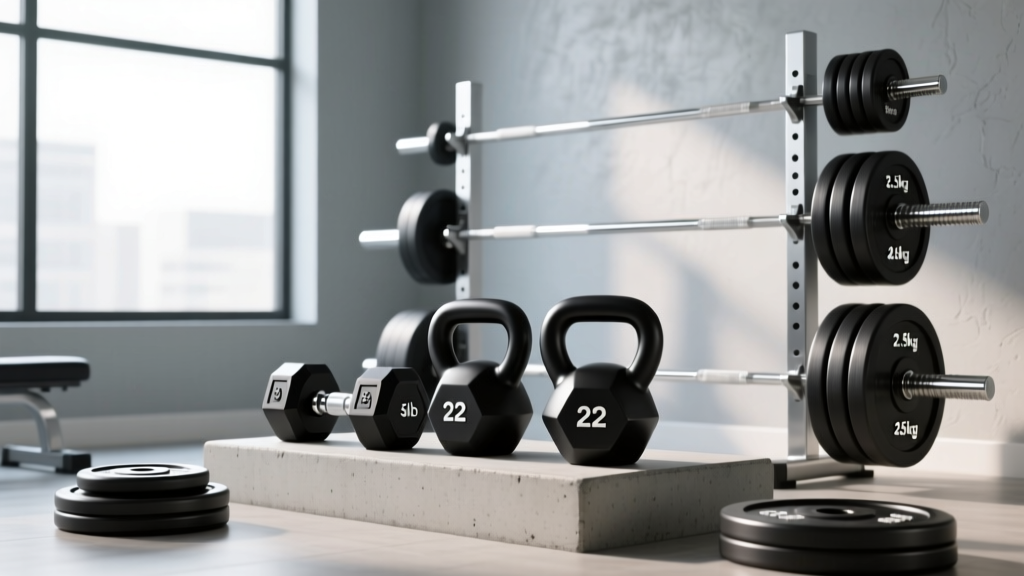
Fixed 22 Pound Dumbbells vs Standard and Olympic Weight Plates
Compare fixed 22 pound dumbbells against standard and Olympic weight plates. Discover the best home gym loading system for your budget and space in 2026.

The Home Gym Dilemma: Fixed Weights vs. Plate-Loaded Systems
When outfitting a home gym, lifters inevitably hit a crossroads: do you invest in fixed-weight dumbbells, or do you build a scalable plate-loaded system? This debate often crystallizes around specific weight increments. For instance, many lifters searching for 22 pound dumbbells are actually looking for 10-kilogram fixed weights for high-rep hypertrophy or rehabilitation. But is buying a rack of fixed dumbbells truly more cost-effective and versatile than purchasing adjustable handles and weight plates?
To answer this, we must break down the three primary loading methods available in 2026: fixed dumbbells, standard (1-inch) plate-loaded systems, and Olympic (2-inch) plate-loaded systems. According to ACE Fitness home gym guidelines, selecting equipment that aligns with your long-term progressive overload needs is critical to avoiding buyer's remorse. Let's put these three systems head-to-head.
💡 The "22 Pound" Metric Secret: In the commercial fitness industry, dumbbells are rarely manufactured in exact 22-pound increments (the standard US progression jumps from 20 lbs to 22.5 lbs). When consumers search for "22 pound dumbbells," they are almost always encountering metric-based urethane or rubber hex sets where the 10-kilogram bell weighs exactly 22.04 pounds. Brands like REP Fitness and Eleiko label these as 10kg/22lbs.Head-to-Head Comparison Matrix
Before diving into the metallurgy and mechanics, here is how fixed dumbbells, standard plates, and Olympic plates stack up against one another across critical home gym metrics.
| Feature | Fixed 10kg (22 lb) Dumbbells | Standard (1-Inch) Plates | Olympic (2-Inch) Plates |
|---|---|---|---|
| Average Cost Per Pound (2026) | $3.50 - $4.50 / lb | $1.20 - $1.60 / lb | $2.00 - $3.50 / lb |
| Max Load Capacity | Fixed (N/A) | ~200 lbs (bar limitation) | 500 - 1,000+ lbs |
| Space Efficiency | Low (Requires full rack) | High (Compact stacking) | Medium (Thicker plates) |
| Sleeve Spin / Ergonomics | N/A (Solid cast) | Poor (No bushings) | Excellent (Bronze bushings) |
| Resale Value | High (Commercial demand) | Very Low | High (Universal standard) |
Standard (1-Inch) Weight Plates: The Budget Beginner Trap
Standard weight plates feature a 1-inch center hole and are designed to slide onto basic, often threaded, steel bars. They are the default option found in big-box sporting goods stores and are heavily marketed to beginners due to their low upfront cost. A 50-pound set of standard cast-iron plates from brands like CAP Barbell or Yes4All typically retails between $60 and $80.
Real-World Failure Modes
While the plates themselves are essentially indestructible chunks of iron, the system fails as you progress. BarBend's comprehensive breakdown of weight standards highlights that 1-inch bars lack the structural integrity for heavy loading.
- Bar Bending: Once you exceed 150 total pounds on a standard barbell, the 1-inch steel shaft will permanently bend under the stress of heavy squats or deadlifts.
- Sleeve Friction: Standard bars do not use bronze bushings or needle bearings. The plates grind directly against the steel sleeve, making rotational movements like cleans or snatches dangerous for your wrists.
- Dumbbell Limitations: Loading a 1-inch dumbbell handle to mimic a 22 lb or 50 lb dumbbell is cumbersome. The threaded collars take up valuable sleeve space, and the handles are often too short to fit more than two or three plates per side.
Olympic (2-Inch) Weight Plates: The Lifetime Investment
Olympic weight plates feature a 2-inch (50mm) center hole and are the undisputed gold standard for commercial gyms, powerlifting federations, and serious home garages. Whether you are buying cast iron, urethane, or rubber bumper plates, the Olympic standard guarantees compatibility with high-quality barbells and loadable dumbbell handles.
Why Olympic Dominates the Home Gym
The primary advantage of Olympic plates is not just the plates themselves, but the equipment they unlock. Olympic dumbbell handles (such as the Rogue Loadable Dumbbell Handles, retailing around $175 per pair) feature machined steel sleeves with bronze bushings. This allows the plates to spin independently of the handle, reducing joint torque during heavy pressing movements.
"Investing in the Olympic standard from day one prevents the 'double-buy' tax. Many lifters buy standard plates to save $50 upfront, only to sell them at a loss a year later when they realize their equipment cannot handle progressive overload." — Home Gym Engineering Consensus
In 2026, the pricing for Olympic plates has stabilized. You can expect to pay roughly $2.00 per pound for bare cast iron (like Titan Fitness Elite plates) and up to $3.50 per pound for virgin rubber bumper plates designed for dropping.
The Fixed 22 Pound Dumbbell: When Convenience is King
If plate-loaded systems are so superior, why do fixed dumbbells still dominate commercial gyms? The answer is workflow efficiency.
Imagine performing a drop-set or a high-intensity superset. With a pair of fixed 10kg (22 lb) rubber hex dumbbells, you simply pick them up and work. With a plate-loaded system, you must unscrew collars, slide off plates, load new plates, and secure the collars—a process that kills your heart rate and wastes time.
Use Cases for Fixed 22 lb / 10kg Dumbbells
- Physical Therapy & Rehab: 22 lbs is a common threshold for rotator cuff and unilateral stabilization work where quick weight changes are necessary.
- Commercial & Studio Environments: In a busy gym, members do not have the time or patience to load adjustable dumbbells.
- Aesthetic & Space Considerations: A tiered rack of rubber hex dumbbells looks professional and eliminates the tripping hazard of loose plates on the floor.
However, the cost of buying a full rack of fixed dumbbells is staggering. A single pair of high-quality 22 lb rubber hex dumbbells will cost roughly $85 to $110. If you want a usable range from 10 lbs to 50 lbs, you are spending upwards of $800 to $1,200, whereas an Olympic loadable dumbbell system and a set of plates can cover the same weight range for under $400.
2026 Cost Analysis: Building a 50-Pound Dumbbell
To truly understand the financial impact of your choice, let's look at the exact cost to achieve a 50-pound dumbbell in each system (prices reflect early 2026 market averages).
💰 The 50-lb Dumbbell Cost Breakdown:- Fixed Rubber Hex: Buy a 50 lb pair = $220.00 (Only gives you exactly 50 lbs)
- Standard 1" System: 1" handle ($25) + 50 lbs of plates ($70) + spin-lock collars ($15) = $110.00 (Cumbersome, poor ergonomics)
- Olympic 2" System: Loadable handle pair ($175) + 50 lbs of cast iron plates ($100) + spring collars ($25) = $300.00 (Scalable to 100+ lbs, commercial ergonomics)
Expert Verdict: Which Should You Buy?
Your decision should be dictated by your training style, budget, and long-term strength goals.
Choose Fixed 22 Pound (10kg) Dumbbells If: You are outfitting a commercial studio, you exclusively perform high-rep metabolic conditioning where speed of weight changes is paramount, or you need a dedicated rehabilitation weight that you can grab instantly without assembly.
Choose Standard (1-Inch) Plates If: You are on an absolute shoestring budget, you are only performing light isolation exercises (like bicep curls or lateral raises), and you have zero intention of lifting heavy barbells in the future. For most serious lifters, this is a temporary stopgap, not a lifetime solution.
Choose Olympic (2-Inch) Plates If: You are building a home gym for long-term progressive overload. The Olympic standard provides unparalleled versatility, allowing you to use the same plates for heavy barbell squats, Olympic lifts, and loading onto high-quality dumbbell handles. It is the only system that scales with you from your first day in the gym to your thousandth.
More gear to consider
All reviews
EZ vs Straight Bar Care & Dumbbell Workout for Pecs

Best Adjustable Dumbbells for the Dumbbell One Arm Swing (2026)

Setup Guide: Best Adjustable Dumbbells for a 3 Day Dumbbell Workout

Standing Military Press with Dumbbells vs. Olympic Barbell Knurling

Barbell Knurling & Weight Guide: Beyond the Inclined Dumbbell Press
