100kg Dumbbell Guide: Neoprene Sets for Home Use
Discover how to build a 100kg dumbbell set using neoprene-coated weights for your home gym. Compare materials, pricing, and storage solutions for 2026.

Decoding the '100kg Dumbbell' Search Intent for Home Gyms
When fitness enthusiasts search for a 100kg dumbbell, they are often met with a confusing array of results. Let's address the physical reality immediately: a single, fixed 100kg (220 lb) neoprene-coated dumbbell does not exist for standard home or commercial use. The sheer volume of the cast iron core required to reach 100kg, combined with a 3mm neoprene shell, would create an ungraspable, oversized monolith that violates basic ergonomic standards.
Instead, the true intent behind this search is almost always a 100kg dumbbell set—a curated collection of paired weights that total 100kg (e.g., pairs of 5kg, 10kg, 15kg, and 20kg). For home gym owners in 2026, building a 100kg arsenal using neoprene-coated hex dumbbells represents the perfect intersection of floor protection, noise reduction, and budget-friendly resistance training. According to the Mayo Clinic, consistent resistance training is foundational for muscle preservation and metabolic health, making a well-rounded home set a critical investment.
In this comprehensive guide, we break down the material science of neoprene, compare it against premium alternatives like urethane, and provide a concrete framework for purchasing, storing, and maintaining a 100kg neoprene dumbbell set.
Material Science: Why Neoprene for Home Use?
Neoprene, scientifically known as polychloroprene, is a synthetic rubber produced by the polymerization of chloroprene. The British Plastics Federation notes that polychloroprene is highly valued for its chemical stability, flexibility across a wide temperature range, and resistance to degradation from oils and sweat.
For home gyms—often located in spare bedrooms, garages, or apartments—neoprene offers distinct advantages over bare cast iron:
- Acoustic Dampening: The 2mm to 3mm neoprene shell absorbs high-frequency impact noise, preventing the 'clank' associated with iron-on-iron or iron-on-floor contact.
- Floor Protection: While not a substitute for proper rubber horse-stall mats, neoprene provides a secondary buffer that protects hardwood and laminate flooring from micro-scratches.
- Ergonomic Color-Coding: Neoprene sets utilize distinct, vibrant colors for each weight increment, allowing for rapid weight changes during drop sets or supersets without needing to read laser-etched numbers.
Material Comparison Matrix: Neoprene vs. Urethane vs. Cast Iron
| Feature | Neoprene Coated | Virgin Urethane | Bare Cast Iron |
|---|---|---|---|
| Cost per kg (2026) | $2.50 - $4.00 | $7.00 - $12.00 | $1.50 - $2.50 |
| Odor / Off-Gassing | Mild (dissipates in 48 hrs) | None | None (may smell of machine oil) |
| Durability to Drops | Moderate (shell can tear) | Exceptional | High (but damages floors) |
| Grip Texture | Smooth / Slightly Tacky | Smooth / Firm | Knurled (Handle only) |
| Max Practical Weight | 25kg / 55lbs per DB | 50kg+ / 110lbs+ per DB | 50kg+ / 110lbs+ per DB |
Building Your 100kg Neoprene Arsenal (2026 Pricing)
To reach a total of 100kg (220 lbs), you need a strategic distribution of weight. Most lifters do not need a 25kg pair if they are also investing in adjustable dumbbells for heavy pressing. However, for a dedicated fixed-weight neoprene set, the optimal 100kg breakdown is:
- Pair 1: 5kg (11 lbs) - Ideal for lateral raises, rear delt flyes, and rotator cuff warm-ups.
- Pair 2: 10kg (22 lbs) - Perfect for bicep curls, tricep extensions, and high-rep goblet squats.
- Pair 3: 15kg (33 lbs) - The workhorse for dumbbell rows, lunges, and moderate chest presses.
- Pair 4: 20kg (44 lbs) - Used for heavy Romanian deadlifts, Bulgarian split squats, and primary pressing movements.
Total Weight: 100kg (220 lbs).
Top Brand Recommendations
1. Yes4All Neoprene Coated Hex Dumbbells
Yes4All dominates the budget home gym space. Their neoprene hex dumbbells feature a 35mm handle diameter with moderate chrome knurling. In 2026, purchasing the 5-20kg bundle directly from their storefront or major retailers will cost between $240 and $280, factoring in stabilized freight shipping for heavy goods.
2. CAP Barbell Neoprene Hex Set
CAP Barbell offers a slightly firmer neoprene blend with a Shore A durometer rating that feels less 'squishy' than competitors. The edges of the hex heads are slightly beveled, reducing the risk of the neoprene tearing upon impact. Expect to pay a premium of roughly $300 to $340 for a 100kg equivalent set.
Never drop neoprene dumbbells from overhead or shoulder height onto hard surfaces. Unlike urethane, which absorbs and disperses kinetic energy, neoprene is a relatively thin sleeve over a brittle cast iron core. A concentrated impact on a single hex corner will slice the neoprene seam and potentially fracture the iron core, rendering the weight unbalanced and dangerous.
Edge Cases & Failure Modes of Neoprene Coatings
As a domain expert reviewing hundreds of home gym setups, I track the specific failure modes of fitness equipment. Neoprene is not invincible. Here is what you must watch for:
- Seam Splitting at the Handle Junction: The weakest point of any coated dumbbell is where the steel handle meets the cast iron head. Repeated exposure to sweat (which is highly acidic and saline) can degrade the adhesive bond over 3 to 5 years, causing the neoprene to peel back.
- UV Degradation: If your home gym is in a sunroom or garage with direct sunlight, UV rays will break down the polychloroprene chains. This results in 'chalking' (a white, powdery residue) and severe fading of the color-coded exterior.
- Chemical Breakdown: Cleaning your dumbbells with bleach or harsh ammonia-based cleaners will destroy the synthetic rubber. Research published in the National Center for Biotechnology Information (NCBI) emphasizes the importance of hygiene in resistance training environments, but you must use a mild 1:10 white vinegar and water solution, or specialized enzyme-based gym wipes to preserve the neoprene matrix.
Storage Solutions for a 100kg Set
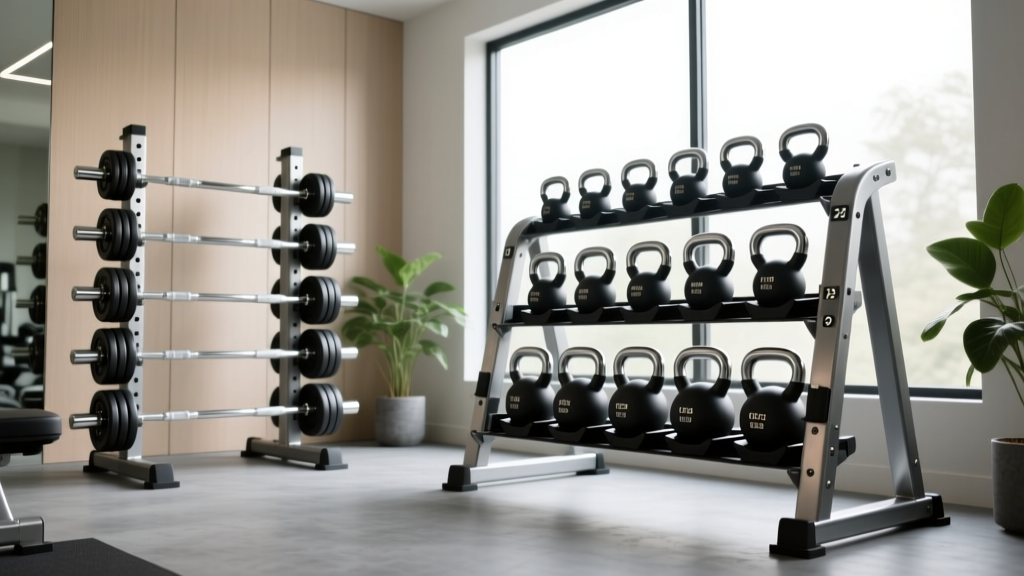
A 100kg set requires robust storage. Do not rely on flimsy wire racks. You need a rack rated for at least 150kg (330 lbs) to account for the dynamic load of placing the weights down.
A-Frame vs. Horizontal 3-Tier Racks
A-Frame Racks: These are ideal for smaller home gyms with limited floor space. They utilize a vertical footprint and rely on gravity to keep the dumbbells seated in the trays. However, retrieving 20kg dumbbells from the bottom tier of an A-frame can put unnecessary shear stress on your lower back.
Horizontal 3-Tier Racks: The gold standard for a 100kg set. A 3-tier rack allows you to store the 5kg and 10kg pairs on the top tier, 15kg on the middle, and 20kg on the bottom. Look for a rack with a tubular steel frame (minimum 14-gauge steel) and rubber-lined saddles to prevent scratching the neoprene coating during racking.
Frequently Asked Questions
Can I use a 100kg adjustable dumbbell instead of a neoprene set?
Yes, but with caveats. Adjustable dumbbells (like the Bowflex 552 or PowerBlock Elite) can reach up to 24kg or 32kg per hand, allowing you to exceed a 100kg total capacity in a fraction of the space. However, they lack the drop-durability of fixed hex dumbbells and cannot be used for exercises where the weight might rest against your body (like renegade rows) due to their fragile plastic dial mechanisms.
Is the neoprene smell toxic?
The initial 'factory smell' of neoprene is caused by volatile organic compounds (VOCs) off-gassing from the manufacturing and sealing process. While unpleasant, it is generally not toxic in a well-ventilated room. Leave the dumbbells in a garage or near an open window with a fan for 48 to 72 hours before bringing them into your primary living space.
Do neoprene dumbbells damage hardwood floors?
Neoprene itself will not scratch hardwood. However, if the neoprene wears thin on the bottom edge of the hex head over years of use, the exposed cast iron underneath will severely gouge wood flooring. Always use 3/4-inch thick vulcanized rubber mats beneath your lifting area as a primary defense.
More gear to consider
All reviews
Beginner Full Shoulder Workout With Dumbbells: Neoprene Home Guide

Leg Curl Alternative with Dumbbells: 2026 Rubber vs Urethane Trends

Power Rack vs Squat Rack vs Squat Stand: Setup & Standing Marches with Dumbbells

Dumbbell Crossover Mistakes: Troubleshooting Neoprene Home Weights

Most Effective Dumbbell Workouts: Bumper vs Iron Plate 2026 Trends