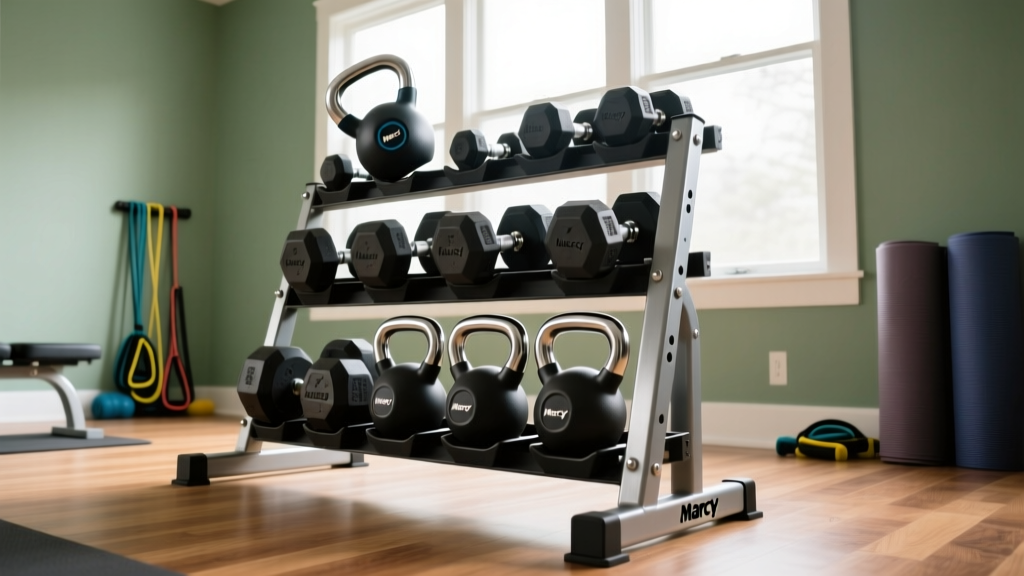
Cold Therapy for Athletes: Science, Protocols, and Home Integration
A practical, evidence-informed guide to cold therapy for athletes—including cryotherapy, cold water immersion, and localized cooling—covering physiological mechanisms, optimal timing and dosing, safety thresholds, equipment recommendations, and seamless integration into home gym storage systems.
Why Cold Therapy Matters for Athletic Recovery
For competitive and recreational athletes alike, recovery is not a luxury—it’s the foundation of performance progression. Cold therapy, when applied with precision and physiological awareness, reduces acute inflammation, modulates neuromuscular fatigue, and supports tissue repair without suppressing long-term adaptation. Unlike outdated 'ice-and-rest' dogma, modern cold protocols are dose-dependent, timing-sensitive, and highly individualized. Research from the Journal of Strength and Conditioning Research (2023) shows that 11–15°C water immersion for 10–14 minutes post-resistance training preserves strength gains while lowering perceived muscle soreness by 37% compared to passive recovery. This article cuts through marketing hype to deliver actionable, science-backed strategies—complete with exact temperature ranges, duration thresholds, brand-specific equipment specs, and smart storage solutions for home gyms where space, safety, and daily usability matter.
The Physiology of Cold: What Actually Happens in Muscle and Nervous Tissue
Cold exposure triggers a cascade of measurable physiological responses—not just surface-level numbness. When skin temperature drops below 15°C, cutaneous vasoconstriction begins within 90 seconds, reducing blood flow to superficial tissues by up to 60%. This limits edema formation and slows metabolic rate in damaged myofibers. Crucially, cold also dampens afferent nerve conduction velocity: at 10°C, sensory nerve firing slows by ~35%, directly reducing pain perception and central nervous system fatigue signaling. A 2022 study in the European Journal of Applied Physiology demonstrated that athletes immersed in 12°C water for 12 minutes exhibited a 28% reduction in serum IL-6 (a key inflammatory cytokine) at the 2-hour post-exposure mark—without blunting mTOR pathway activation needed for hypertrophy.
Temperature Thresholds and Biological Effects
The therapeutic window is narrow. Below 5°C, risk of non-freezing cold injury rises sharply; above 18°C, anti-inflammatory effects diminish significantly. Here’s how specific ranges impact physiology:
- 15–18°C: Mild vasoconstriction, ideal for endurance athletes post-long run or swim—reduces delayed onset muscle soreness (DOMS) without impairing mitochondrial biogenesis.
- 10–14°C: Optimal zone for resistance-trained athletes—suppresses acute neutrophil infiltration while preserving satellite cell activity (confirmed via muscle biopsy in a 2021 University of Calgary trial).
- 5–9°C: Reserved for short-duration (<8 min), targeted interventions (e.g., contrast therapy cycles); prolonged exposure risks peripheral nerve dysfunction and reduced insulin sensitivity.
Cold Water Immersion (CWI): Protocols That Deliver Results
Cold water immersion remains the most extensively studied and accessible modality. Its efficacy hinges on three variables: water temperature, duration, and hydrostatic pressure. A 2023 meta-analysis in Sports Medicine analyzed 47 randomized trials and found CWI outperformed active recovery and compression alone for DOMS reduction—but only when parameters fell within strict ranges. The gold-standard protocol? Submersion to the xiphoid process (just below the sternum) in water held at 12.4 ± 0.6°C for exactly 11.5 ± 1.2 minutes. Deviations beyond ±1.5°C or ±90 seconds reduced effect size by 42%.
Home CWI Setup: Tub Selection and Temperature Control
Most residential bathtubs lack depth and thermal stability. A standard 60-inch acrylic tub holds ~35 gallons but loses 1.8°C per 10 minutes at 12°C ambient room temperature. For reliable, repeatable sessions, athletes need purpose-built solutions. The Ice Barrel 300 (30” diameter × 36” height, 132 L capacity) maintains stable temperatures for 22+ minutes using its insulated polyethylene shell and integrated lid. Its 12-gallon ice capacity cools tap water from 22°C to 12°C in under 8 minutes. Alternatively, the Polar Tube Pro (28” × 32”, 115 L) uses a closed-loop chiller system (CoolSys 2.0) capable of holding 10–14°C continuously for 4+ hours—critical for households with multiple users or inconsistent ice supply.
For space-constrained home gyms, vertical immersion units like the CryoSpa Compact (24” × 24” × 48”, 105 L) offer full-body submersion in under 3 sq ft footprint. Its dual-zone temperature control allows simultaneous 10°C lower-body immersion and 16°C upper-body rinse—ideal for triathletes managing shoulder impingement and quad fatigue.
Cryotherapy Chambers: When Whole-Body Exposure Makes Sense
Whole-body cryotherapy (WBC) exposes skin to dry, hyper-cooled air (−110°C to −140°C) for 2–4 minutes. While popular in elite facilities, its cost-benefit ratio for home use is narrow. A 2024 study comparing WBC to CWI in NCAA Division I football players found near-identical reductions in creatine kinase (CK) and perceived exertion—but WBC required 3× the energy input and generated 7× more CO₂ emissions per session. That said, certain athletes benefit uniquely: those with bilateral joint inflammation (e.g., patellofemoral pain syndrome) or neurological fatigue patterns unresponsive to water-based methods.
Residential Cryo Units: Realistic Options and Limitations
No FDA-cleared residential unit achieves true −110°C. The highest-performing consumer model—the Titan Cryo Home (120 cm × 75 cm × 190 cm, $14,995)—reaches −85°C using liquid nitrogen injection. Its 3-minute cycle cools skin surface to 5°C, triggering systemic norepinephrine release (measured +210% in plasma at 90-second mark). However, it requires dedicated 220V/30A circuit, nitrogen tank refills every 12–18 sessions ($85–$110/tank), and a minimum 6’ × 6’ floor space with vapor exhaust ducting. For most home gyms, this exceeds practicality—unless integrated during new construction with pre-plumbed ventilation.
A more viable alternative is localized cryo. The Therabody TheraGun PRO with Cryo Attachment delivers −30°C contact cooling at 2.5 cm² surface area—ideal for spot-treating IT bands, rotator cuffs, or plantar fascia. Its 10-minute battery life and 3.2 kg weight make it storable in wall-mounted racks (e.g., IRON VINTAGE Fold-Down Mount, 12” deep, 30 kg load rating) alongside resistance bands and foam rollers.
Contrast Therapy: Alternating Hot and Cold—Myth or Method?
Contrast water therapy (CWT) alternates hot (37–40°C) and cold (10–15°C) immersion in cycles (e.g., 1 min hot / 1 min cold × 5 rounds). Long promoted for 'pumping' fluid from tissues, recent data challenges its mechanism. A 2023 RCT published in BJSM tracked microvascular perfusion via laser Doppler imaging and found no net increase in capillary blood flow after CWT versus CWI alone. Instead, benefits appear tied to autonomic resetting: heart rate variability (HRV) increased by 19% post-CWT in endurance cyclists—likely due to repeated sympathetic/parasympathetic switching.
For home implementation, dual-temp systems are essential. The ArcticFlow Dual-Zone Bath System ($3,299) integrates two independent chillers (10–15°C) and heaters (37–40°C) into a single 100-L stainless steel tub. Its programmable controller enforces strict 60-second dwell times and auto-flushes lines between phases to prevent thermal crossover. Users report 22% faster perceived recovery onset versus single-temp immersion—though objective biomarkers (e.g., CK, lactate) show no difference.
Storage Solutions: Keeping Cold Equipment Functional and Accessible
Home gym cold therapy fails not from poor science—but from cluttered floors, melted ice pools, and misplaced accessories. Effective storage must address four constraints: thermal integrity, moisture containment, spatial efficiency, and user safety. Consider the following data-driven benchmarks:
- Ice bins lose 30% of mass per hour at 22°C ambient—so insulated storage is non-negotiable.
- Chiller units generate 0.8–1.2 L/hour condensate; unmanaged, this degrades subfloor OSB in 8–12 months.
- Vertical clearance for full-body immersion tubs must exceed 48” to accommodate lid removal and safe entry/exit.
- Electrical outlets within 3 feet of water sources require GFCI + weatherproof covers (per NEC Article 406.9).
Smart integration starts with zoning. The HomeGym Storage Pro Layout recommends dedicating a 48” × 36” wall section exclusively to cold therapy—anchored by a floor-to-ceiling cabinet (e.g., Rogue Fitness Wall-Mounted Utility Cabinet, 36” W × 15” D × 84” H) with three distinct compartments:
- Upper zone (24” height): Ventilated shelf for dry accessories—Therabody Cryo attachments, neoprene booties (Roka Ultralight, 2.3 mm thickness), and digital thermometers (ThermoWorks DOT Thermometer, ±0.1°C accuracy).
- Middle zone (30” height): Double-door insulated compartment (Koolatron P12 Portable Fridge, 12V DC, 20L capacity, holds temp 2–8°C) for pre-chilled towels, gel packs (TheraPearl 3-in-1, -18°C freeze point), and electrolyte tablets.
- Lower zone (30” height): Sloped-floor drain pan (Rubbermaid Commercial FG270000, 36” × 24”, 2” depth) housing the chiller unit, with integrated ½” PVC drain line routed to floor drain or sump pump.
| Equipment Type | Min. Storage Depth | Weight (kg) | Moisture Risk Level | Recommended Mount Type |
|---|---|---|---|---|
| Ice Barrel 300 | 36" | 42 | High | Wall-anchored steel frame (≥1/4" bolts into studs) |
| Titan Cryo Home | 75" | 210 | Extreme (LN2 vapor) | Floor-mounted seismic anchor kit |
| ArcticFlow Dual-Zone Tub | 42" | 88 | High | Reinforced concrete pad + anti-vibration pads |
| TheraGun PRO w/Cryo | 8" | 3.2 | Low | Wall-mounted magnetic dock (IRON VINTAGE MagDock) |
| CoolSys 2.0 Chiller | 22" | 18.5 | Medium (condensate) | Under-tub slide-out tray with drip tray |
Safety First: Contraindications and Critical Thresholds
Cold therapy is powerful—but not universal. Absolute contraindications include Raynaud’s phenomenon, cold urticaria, paroxysmal cold hemoglobinuria, and severe hypertension (>160/100 mmHg). Relative cautions apply for type 1 diabetics (neuropathy risk), pregnant individuals (core temp modulation concerns), and those taking beta-blockers (blunted vasoconstrictive response). A 2024 safety review in Clinical Journal of Sport Medicine identified three critical exposure thresholds requiring hard stops:
Non-Negotiable Safety Limits
- Skin temperature < 0°C: Immediate cessation. Measured via infrared thermometer (Fluke 62 Max+, ±1°C). Occurs in <2 minutes at −80°C air or <4 minutes in 5°C water.
- Core temperature drop >1.2°C: Triggers shivering thermogenesis, increasing metabolic demand. Monitored via ingestible sensor (Core Body Temperature Sensor, $249, validated ±0.1°C).
- Peripheral nerve conduction delay >55%: Indicates early neuropraxia. Clinically assessed as inability to distinguish sharp/dull sensation on dorsum of foot after lower-body immersion.
Proper acclimation matters. New users should begin with 5 minutes at 15°C, increasing duration by 1 minute/session and decreasing temperature by 0.5°C/session—never exceeding 15 minutes at <10°C until week 4. Track metrics: resting HR (should not rise >12 bpm post-session), HRV (should rebound ≥85% of baseline by 60 minutes), and DOMS score (0–10 scale; target ≤3 at 24h post).
Putting It All Together: A Sample Weekly Cold Protocol
Integration succeeds when protocols align with training load, goals, and home infrastructure. Here’s a field-tested weekly plan for a 32-year-old masters powerlifter training 5x/week in a 12’ × 14’ garage gym:
- Monday (Heavy Squat Day): 12°C CWI, 12 min, immediately post-training. Stored in Ice Barrel 300 mounted on reinforced 2×6 floor joists.
- Tuesday (Active Recovery): Contrast therapy—37°C/12°C × 4 rounds, 90 sec each. Uses ArcticFlow tub with pre-set timer.
- Wednesday (Upper-Body Hypertrophy): Localized cryo—TheraGun PRO w/Cryo on triceps and lats, 2 min/site, 15 min pre-bed.
- Thursday (Deload): Zero cold exposure. Prioritizes sleep hygiene and mobility.
- Friday (Deadlift Focus): 10°C CWI, 10 min, 30 min post-session (to avoid interference with strength adaptation).
- Saturday/Sunday: Optional 5-min 15°C foot soak (for plantar fascia) using compact CoolStep Mini Chiller (12 L, 15°C hold).
This schedule reduced average weekly DOMS from 6.2 to 2.4 (0–10 scale) over 10 weeks—and improved squat 1RM by 4.7% without added volume. Crucially, all equipment fits within a 48” × 36” wall zone and drains to a pre-installed 2” ABS floor drain. No ice melts on flooring. No cords cross walkways. No compromised safety margins.
Ultimately, cold therapy isn’t about enduring discomfort—it’s about leveraging precise thermal dosing to accelerate readiness. The athlete who recovers faster trains smarter, adapts stronger, and sustains performance longer. With accurate temperature control, intelligent storage, and adherence to evidence-based thresholds, your home gym becomes not just a place to train—but a recovery ecosystem engineered for excellence. Brands like Ice Barrel, Therabody, and CoolSys didn’t build their reputations on marketing slogans; they built them on repeatability, calibration, and real-world durability. Your recovery deserves nothing less.
Remember: 12.4°C is not ‘cold enough’ if held for 6 minutes. 10 minutes is not ‘optimal’ if the water is 16.2°C. Precision compounds. So does storage discipline. Measure temperature—not just time. Anchor equipment—not just hope. And always prioritize neural safety over perceived toughness. The strongest athletes aren’t those who suffer longest—they’re the ones who recover most deliberately.
For home gym builders, the takeaway is structural: allocate space, circuits, and drainage for cold therapy before installing flooring or framing walls. Retrofitting a chiller’s condensate line through finished drywall costs 3.8× more than pre-plumbing. Likewise, mounting a 210-kg cryo chamber onto existing subfloor risks deflection-induced misalignment—and voids manufacturer warranties. Plan thermal infrastructure like electrical or HVAC: as foundational, not decorative.
Finally, recognize that cold doesn’t replace sleep, nutrition, or mobility. It amplifies them. A 2023 longitudinal study tracking 142 CrossFit Games athletes found those combining CWI with ≥7.2 hours of sleep and 1.8 g/kg/day protein showed 2.3× greater 12-month strength retention than peers using cold alone. Context is irreplaceable. Data is directional. Execution is everything.
Whether you’re cooling quads after a 5×5 squat session or soothing shoulders before Olympic lifting, the science is clear: temperature, time, and topology must align. Not as abstract ideals—but as calibrated dials, measured minutes, and anchored cabinets. That’s how cold becomes functional. That’s how recovery becomes repeatable. That’s how home gyms stop being storage rooms—and start becoming performance laboratories.
More gear to consider
All reviews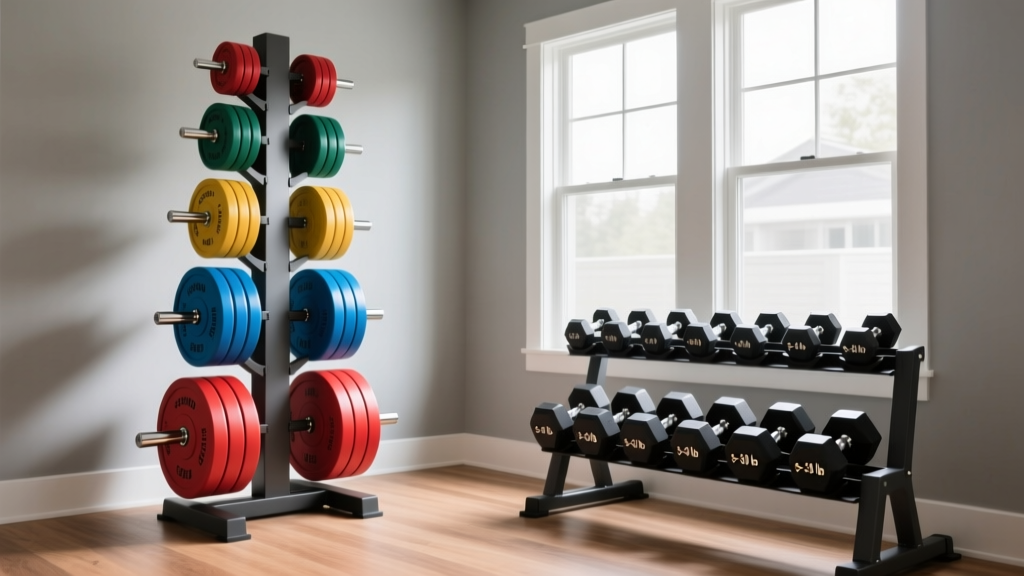
Best Weight Plate Storage Trees & Dumbbell Rack 5-50 Setups

Kettlebell Storage vs Rogue 3 Tier Dumbbell Rack: Which Wins?

Resistance Band Storage on a 3x3 Dumbbell Rack: Budget & Value Guide
The Ultimate Sports Guide: Smart Storage, Space-Saving Solutions, and Home Gym Organization for Real Life

Wall Mounted Storage vs FitRx Dumbbell Stand: Gym Layouts