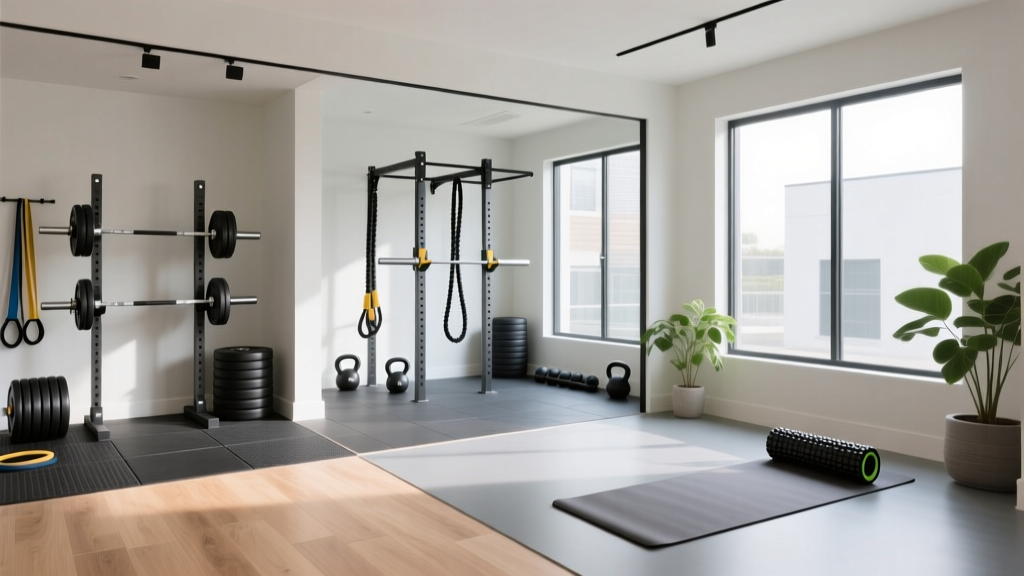
How Training Style Dictates Your Home Gym Renovation Cost
Discover how your specific training techniques and movement patterns dictate structural needs and overall home gym renovation costs.

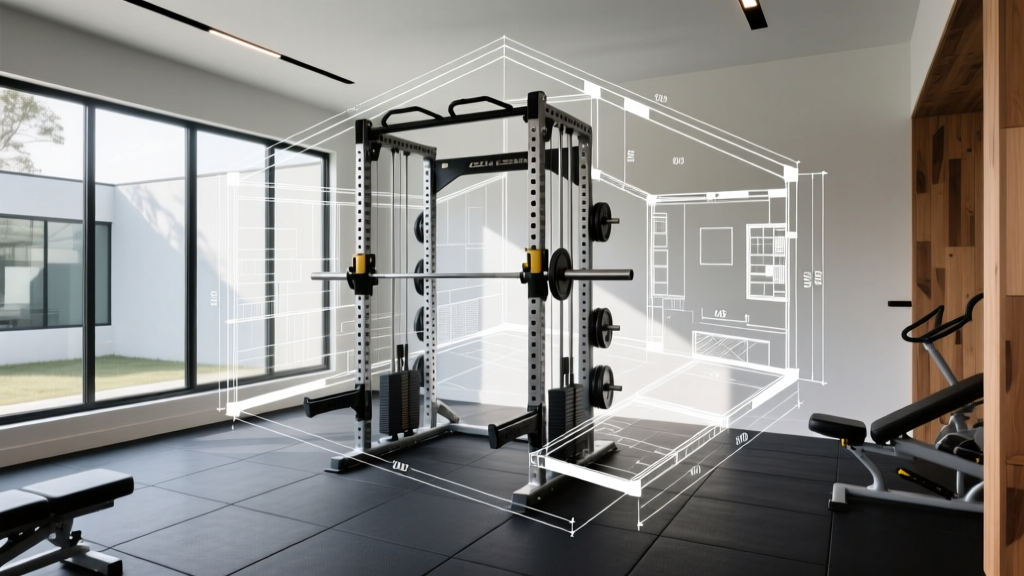
Calculating an accurate home gym renovation cost requires more than just pricing out squat racks and dumbbells. Your specific training techniques, movement patterns, and force production metrics dictate the structural, spatial, and material requirements of the room. A space optimized for heavy Olympic weightlifting demands vastly different architectural interventions than one designed for high-rep hypertrophy or calisthenics. According to facility design guidelines from the American College of Sports Medicine, matching the physical environment to the biomechanical demands of the user is critical for both performance and injury prevention.
When you align your budget with your actual training style, you avoid overspending on unnecessary structural reinforcements while ensuring you do not compromise the integrity of your home. Below is a technical breakdown of how different workout methodologies drive specific renovation expenses.
The Biomechanics of Space: Ceiling Height and Clearance
Vertical clearance is the most frequent point of failure in garage and basement gym conversions. If your training program includes standing overhead presses, push jerks, or Olympic snatches, standard 8-foot residential ceilings will restrict your bar path and force technique compromises. A 6-foot-tall lifter with a 34-inch arm length requires a minimum ceiling height of 8 feet 6 inches just to lock out a barbell safely. For full Olympic lifts, 9 feet 6 inches is the absolute minimum.
Modifying ceiling height drastically alters your home gym renovation cost. Dropping a concrete basement floor by 12 inches typically costs between $6,000 and $12,000 for a standard two-car garage footprint, involving jackhammering, soil removal, and repouring. Conversely, raising a roof or altering trusses in a stick-built garage can exceed $25,000 and requires extensive engineering permits. If your budget cannot accommodate structural framing changes, you must adapt your technique: swap standing barbell overhead presses for seated dumbbell presses, and replace full snatches with hang-power variations to keep the barbell below the ceiling joists.

Force Production and Flooring Budgets
The kinetic energy generated during heavy eccentric loading and barbell drops dictates your flooring and subfloor requirements. Dropping a 400-pound deadlift from hip height generates thousands of pounds of peak impact force. Standard 8mm interlocking EVA foam tiles will compress to their failure point, transferring that shock directly into the concrete slab or wooden joists, eventually causing structural fatigue or cracked foundations.
For heavy powerlifting and Olympic lifting, you must install 3/4-inch (19mm) vulcanized rubber flooring with a durometer rating of 60-65 Shore A. This high-density material absorbs and disperses impact energy. Expect to pay $3.50 to $5.50 per square foot for commercial-grade vulcanized rolls. If you are building over a wooden subfloor (like a second-story bonus room or a garage with a wooden deck), you must also sister the floor joists to increase the live load capacity. The National Association of Home Builders notes that reinforcing joists to handle concentrated dynamic loads can add $1,500 to $3,500 to a remodeling project, depending on the span and lumber grades required.
If your training focuses strictly on controlled hypertrophy, machine work, or yoga, the force absorption requirements plummet. In these scenarios, 8mm to 12mm high-density EVA or TPE tiles ($1.50 to $2.50 per square foot) are sufficient, saving thousands of dollars in material and subfloor reinforcement.
Allocating Your Home Gym Renovation Cost by Training Modality
To build a precise budget, categorize your primary training modality and allocate funds to the structural elements that directly support those movements. The matrix below outlines the cost premiums associated with different workout styles.
| Training Modality | Primary Structural Need | Estimated Cost Premium | Technique Adaptation |
|---|---|---|---|
| Powerlifting / Strongman | High-density flooring, joist reinforcement, heavy-duty electrical for motorized racks | $4,500 - $8,000 | Use of specialized squat boxes and low-profile deadlift blocks |
| Olympic Weightlifting | Maximum ceiling clearance (9'6"+), acoustic decoupling, dedicated drop zones | $6,000 - $15,000+ | Transitioning to hang variations if ceiling height is restricted |
| Bodybuilding / Hypertrophy | Enhanced lighting, mirrored walls, 20-amp dedicated circuits for cable machines | $2,000 - $4,500 | Focus on time-under-tension rather than heavy impact drops |
| Functional Fitness / Plyometrics | Shock-absorbing subfloor, high-clearance for rope climbs, reinforced wall studs for rigs | $3,500 - $7,000 | Scaling rope climbs to seated or grounded variations |
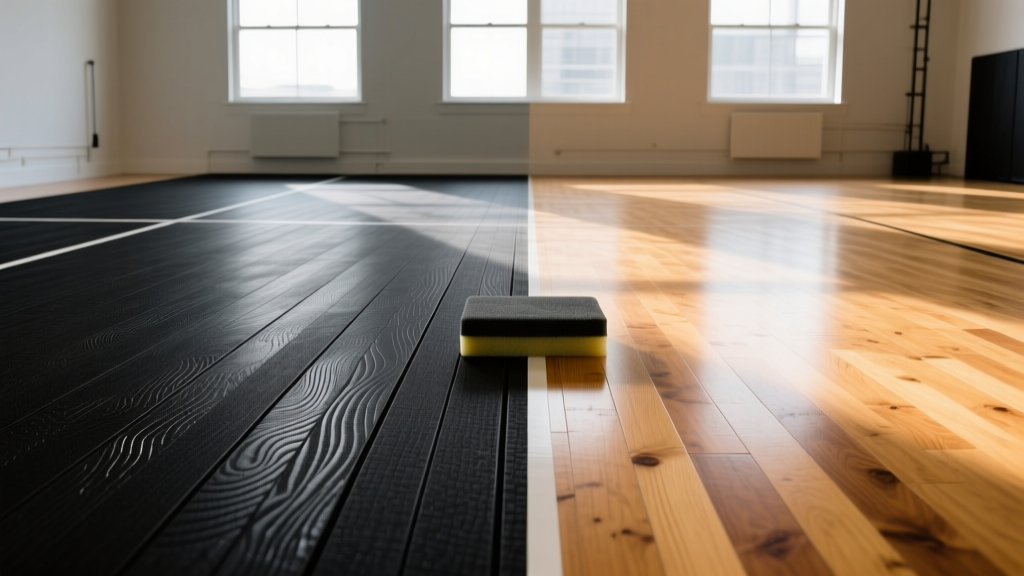
Acoustic Decoupling for Heavy Eccentrics
Structure-borne noise is a massive hidden expense for lifters training in attached garages or basement spaces. When iron plates hit the floor, the low-frequency vibrations travel through the concrete or wood and amplify through the home's framing. Standard drywall and insulation do virtually nothing to stop this.
If your training involves dropping weights or heavy plyometrics, you must budget for acoustic decoupling. This involves laying down a 5/8-inch acoustic underlayment (often made from recycled rubber or Mass Loaded Vinyl) before installing your top layer of gym flooring. This creates a floating floor that breaks the vibration transfer path. Look for underlayments with an Impact Insulation Class (IIC) rating of 50 or higher. This adds roughly $2.00 to $3.50 per square foot to your flooring budget but is non-negotiable if you share walls with living spaces or have bedrooms directly above the gym.
Electrical and Climate Load for Recovery and Performance
Modern training techniques increasingly integrate active recovery modalities directly into the workout space. Installing a cold plunge and an infrared sauna transforms a standard gym into a high-draw electrical zone. A standard residential circuit (120V, 15-amp) cannot support a commercial treadmill, a sauna heater, and a chiller simultaneously without tripping the breaker.
Electrical Upgrade Framework
- Standard Hypertrophy Setup: Two 120V/20-amp dedicated circuits for motorized cardio and fans. Cost: $400 - $800.
- Recovery Tech Integration: One 240V/50-amp circuit for traditional saunas or heavy-duty chillers. Cost: $1,200 - $2,500.
- Climate Control: Upgrading HVAC to handle high humidity. The Environmental Protection Agency recommends strict humidity control to prevent mold in enclosed spaces. Adding a dedicated Energy Recovery Ventilator (ERV) for 4-6 air changes per hour costs $2,500 - $4,500.
Ultimately, your home gym renovation cost is a direct reflection of the physical demands you place on the space. By mapping your specific training techniques to structural requirements—whether that means reinforcing joists for heavy deadlifts, raising ceilings for overhead work, or installing dedicated 240V circuits for recovery tech—you ensure every dollar spent directly enhances your performance and protects your home's structural integrity.
More gear to consider
All reviews
Smart Workout Room Small Home Gym Ideas for Apartments

Sports Maintenance Tools Checklist: Essential Gear for Home Gyms, Courts, and Outdoor Fitness Areas

Top Small Home Gym Design Ideas: Shipping Container Conversion

Cost Breakdown: Small Home Gym Decor Ideas & Layouts

Best Cardio Equipment for Home Gyms: Matching Your Space, Budget, and Fitness Goals
