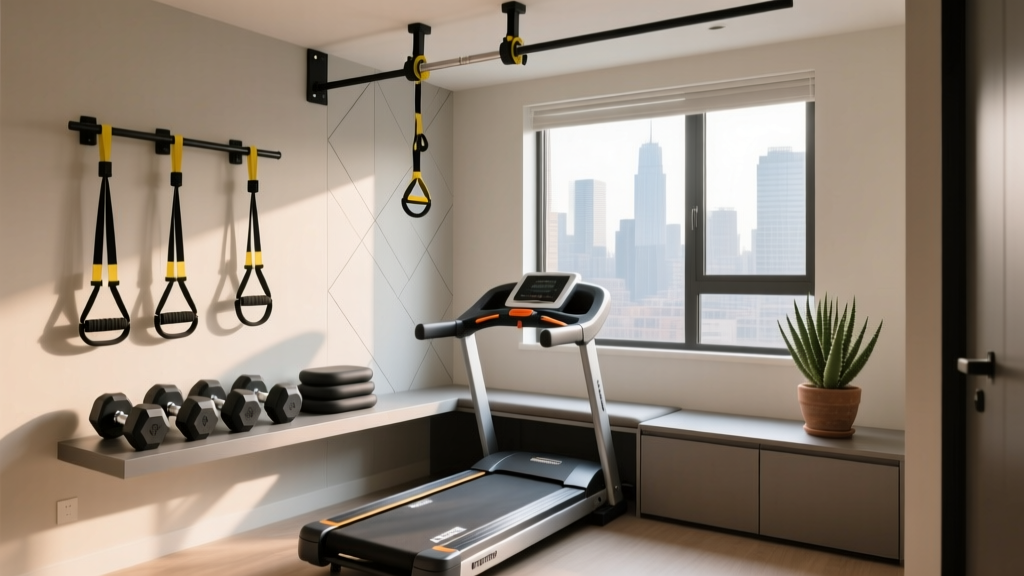
Home Gym Renovation Cost: Complete Budget Breakdown 2026
Complete 2026 cost breakdown for home gym renovation covering flooring, mirrors, electrical, HVAC, soundproofing, and lighting with DIY vs pro comparisons.

Home Gym Renovation Cost: Complete Budget Breakdown 2026
Building a dedicated home gym is one of the most rewarding home improvement projects you can undertake. It eliminates commute time to commercial facilities, provides unlimited scheduling flexibility, and can significantly increase your property value. However, without a clear understanding of costs, budgets spiral quickly. This comprehensive breakdown covers every expense category with real 2026 pricing, helping you plan accurately whether you are converting a garage, basement, or spare bedroom.
Understanding the Scope of Home Gym Renovation
Before diving into numbers, define your project scope. A basic conversion involves minimal structural work and focuses on making an existing space functional. A mid-range renovation adds comfort features like proper flooring, mirrors, and climate control. A high-end build-out includes professional-grade everything: custom electrical, advanced HVAC, soundproofing, premium finishes, and smart technology integration. Your budget should reflect your actual usage patterns and long-term plans.
The average home gym renovation in 2026 costs between $3,500 and $25,000 for the space preparation alone, not including equipment. The wide range reflects the enormous variability in starting conditions, space size, and desired finish level. Let us break down each category systematically.
Flooring Options and Costs
Flooring is the foundation of your home gym, literally and figuratively. The right surface protects your subfloor from dropped weights, provides traction, reduces noise, and supports proper form during lifts. Here are the most common options with current pricing:
Rubber Flooring
Rubber is the gold standard for home gyms. Available in interlocking tiles, rolls, or mats, it provides excellent shock absorption and durability. Horse stall mats from agricultural supply stores remain the budget champion at $2 to $3 per square foot for 3/4-inch thickness. Purpose-made gym rubber tiles range from $3 to $8 per square foot depending on thickness and density. Premium rubber rolls with custom logos or color flecks run $8 to $15 per square foot installed.
For a standard 200-square-foot garage gym, expect to pay $400 to $600 for horse stall mats or $600 to $1,600 for dedicated gym flooring. Installation is typically DIY-friendly, though rolls require two people and careful cutting.
Foam Tiles
EVA foam tiles are the lightest and cheapest option at $1 to $3 per square foot. They work well for yoga, bodyweight training, and light dumbbell work but compress under heavy loads and degrade faster than rubber. Best suited for multipurpose rooms where the gym function is secondary.
Vinyl and PVC Flooring
Interlocking vinyl tiles designed for fitness spaces cost $3 to $7 per square foot. They offer a cleaner aesthetic than rubber and are easier to clean, making them popular for home gyms that double as guest rooms or offices. However, they provide less impact protection for heavy weightlifting.
Turf and Specialty Surfaces
If your training includes sled pushes, agility work, or functional fitness, artificial turf sections cost $4 to $12 per square foot. Some homeowners install a turf strip down the center of their gym with rubber on either side for lifting platforms.
Mirror Installation
Mirrors serve dual purposes in a home gym: they help you monitor form and they visually expand the space. Professional mirror installation costs between $5 and $20 per square foot depending on the type and mounting method.
Standard Wall Mirrors
Large frameless gym mirrors, typically 4x6 feet or 4x8 feet, cost $80 to $200 each from home improvement stores. Professional installation adds $100 to $200 per mirror including J-channel mounting and adhesive. For a wall of mirrors spanning 12 feet, budget $500 to $1,200 including installation.
Shatterproof and Safety Mirrors
If you are installing mirrors near free weight areas, shatterproof acrylic or polycarbonate mirrors cost 30 to 50 percent more than glass but eliminate injury risk from breakage. These run $10 to $20 per square foot installed.
DIY Mirror Installation
Handy homeowners can save significantly by self-installing. Purchase mirrors from a glass shop with pre-drilled holes, use mirror mastic adhesive and J-channel brackets, and ensure anchors hit studs. Budget $3 to $8 per square foot for materials only. Key safety notes: always use a level, have a helper for large panels, and never mount solely with adhesive without mechanical fasteners.
Electrical Upgrades
Most home gyms need more electrical capacity than the space originally provided, especially if you are adding treadmills, rowing machines, fans, televisions, and charging stations. Electrical work must comply with local codes and typically requires a licensed electrician.
Basic Electrical Upgrades ($500 to $1,000)
Adding four to six additional 120-volt outlets on dedicated circuits, installing a sub-panel if your main panel lacks capacity, and adding GFCI protection for areas near moisture. This covers most home gym needs for a single treadmill, a fan, and general electronics.
Mid-Range Electrical ($1,000 to $1,500)
Includes everything above plus 240-volt circuits for high-draw equipment like commercial-grade treadmills or mini-split HVAC systems, dimmable LED lighting circuits, USB-integrated outlets, and cable management conduit in walls.
Comprehensive Electrical ($1,500 to $2,000+)
Full rewiring of the space with smart switches, dedicated circuits for every major appliance, pre-wiring for surround sound or entertainment systems, EV charger integration if gym is in garage, and backup power provisions.
HVAC and Ventilation
Temperature and air quality control make or break your home gym experience. Intense exercise generates significant heat and humidity, and poor ventilation leads to mold, discomfort, and equipment corrosion.
Basic Ventilation ($300 to $800)
Installing exhaust fans, adding window ventilation, and using portable fans and dehumidifiers. This works for mild climates and moderate-intensity training. A quality exhaust fan with humidity sensor costs $200 to $400 installed.
Ductless Mini-Split System ($1,500 to $3,000)
The most popular choice for dedicated home gyms. A ductless mini-split provides both heating and cooling with independent temperature control. A 12,000 BTU unit suitable for a 200 to 400 square foot space costs $1,500 to $2,500 including professional installation. Operating costs are low, typically $30 to $60 per month depending on usage and climate.
Extending Central HVAC ($2,000 to $5,000+)
If your existing system has capacity, extending ductwork to your gym space costs $2,000 to $3,500. However, if you need to upgrade your central unit to handle the additional load, costs can exceed $5,000 to $10,000. This approach makes sense primarily for new construction or major whole-home renovations.
Air Purification ($200 to $800)
Adding a HEPA air purifier rated for your room size improves air quality during heavy breathing sessions. Look for units with activated carbon filters to manage rubber and sweat odors. Budget $200 to $500 for the unit plus $50 to $100 annually for filter replacements.
Soundproofing
If your home gym shares walls with living spaces or neighbors, soundproofing prevents your deadlifts from disrupting everyone else. Sound travels through two paths: airborne noise (music, grunting) and impact noise (dropped weights, footsteps).
Basic Sound Reduction ($1 to $2 per Square Foot)
Rubber flooring alone provides significant impact reduction. Adding acoustic panels to walls at reflection points costs $1 to $3 per square foot. Weatherstripping doors and sealing gaps reduces airborne sound transmission noticeably. This level is adequate for most single-family home situations.
Moderate Soundproofing ($2 to $4 per Square Foot)
Adding mass-loaded vinyl barrier under flooring, installing resilient channels on walls with double drywall, and upgrading to a solid-core door with automatic door bottom. This approach reduces sound transmission by 50 to 70 percent and handles moderate weight drops.
Professional Sound Isolation ($4 to $8+ per Square Foot)
Full room-within-a-room construction with decoupled walls, floating floors, and isolated ceiling. This is typically only necessary for apartment dwellers, attached townhomes, or spaces directly below bedrooms. Costs for a 200-square-foot room range from $3,000 to $6,000.
Lighting
Good lighting improves safety, motivation, and video call quality if you train with remote coaches. Lighting budgets vary enormously based on your goals.
Basic Lighting ($200 to $500)
Replacing existing fixtures with bright LED panels or shop lights. Aim for 5,000 to 7,000 lumens total for a 200-square-foot space. Four LED shop lights at 4,000 lumens each cost $40 to $80 per fixture. Simple and effective.
Enhanced Lighting ($500 to $1,000)
Layered lighting approach with overhead LEDs for general illumination, accent lighting for aesthetics, and adjustable color temperature fixtures that shift from energizing cool white during training to warm white for cooldown and stretching. Smart bulbs and switches add convenience.
Premium Lighting Design ($1,000 to $1,500+)
Professional lighting design with recessed fixtures, RGB accent strips, blackout-capable window treatments, and programmable scenes for different workout types. Includes electrician labor for new wiring and smart home integration.
Total Cost Ranges by Space Type
Garage Conversion (200 to 400 Square Feet)
Garages are the most popular home gym location due to their size and separation from living areas. However, they often lack insulation, climate control, and finished floors.
- Basic conversion: $3,500 to $6,000 (flooring, basic electrical, fan, simple mirrors)
- Mid-range: $7,000 to $14,000 (insulation, mini-split HVAC, rubber flooring, full mirror wall, good lighting, some soundproofing)
- High-end: $15,000 to $30,000+ (full insulation and drywall, professional HVAC, premium flooring, custom lighting, comprehensive soundproofing, smart home integration)
Basement Conversion (300 to 600 Square Feet)
Basements offer natural sound isolation and stable temperatures but may have moisture issues, low ceilings, and limited electrical.
- Basic conversion: $4,000 to $8,000 (moisture barrier, flooring, dehumidifier, electrical additions, basic lighting)
- Mid-range: $9,000 to $18,000 (waterproofing, proper subfloor, rubber flooring, mirrors, ventilation, enhanced lighting)
- High-end: $20,000 to $40,000+ (complete finish with drywall, ceiling treatment, premium flooring, HVAC extension, custom lighting, egress window if needed)
Spare Room Conversion (100 to 200 Square Feet)
Spare bedrooms require the least structural work but have the smallest footprint and may share walls with living spaces.
- Basic conversion: $2,000 to $4,000 (flooring protection, mirror, fan, outlet additions)
- Mid-range: $5,000 to $10,000 (premium flooring, soundproofing measures, enhanced electrical, good lighting, door upgrade)
- High-end: $12,000 to $20,000+ (full soundproofing, custom storage solutions, premium finishes, integrated technology)
DIY vs Professional Installation
Labor costs typically represent 40 to 60 percent of total renovation budgets. Here is what makes sense to DIY versus hire out:
Suitable for DIY
- Rubber flooring installation (interlocking tiles)
- Painting and basic wall prep
- Mounting mirrors with proper hardware
- Installing shelving and storage systems
- Mounting acoustic panels
- Basic lighting fixture swaps
Requires Professionals
- Electrical work (required by code in most jurisdictions)
- HVAC installation (refrigerant handling requires certification)
- Structural modifications
- Plumbing additions
- Drywall finishing if you want professional results
- Complex soundproofing construction
A hybrid approach works best for most homeowners. Handle the cosmetic and simple installations yourself, hire licensed professionals for systems work, and save 30 to 40 percent compared to fully contracted projects.
Permits and Regulations
Permit requirements vary by jurisdiction but commonly trigger when you modify electrical systems, add HVAC, change structural elements, or alter plumbing. Expect permit costs of $200 to $800 depending on scope. Skipping permits risks fines, insurance claim denials, and problems during future home sales. Always check with your local building department before starting work. If you live in an HOA community, review architectural guidelines as some restrict exterior modifications like mini-split condensers.
Return on Investment Analysis
A well-executed home gym renovation typically recoups 50 to 70 percent of its cost in increased home value, according to 2026 real estate data. However, the true ROI extends far beyond resale:
- Eliminated gym membership costs: $50 to $200 per month ($600 to $2,400 annually)
- Time savings from eliminated commute: 30 to 60 minutes per session, 3 to 5 times weekly
- Increased workout consistency leading to better health outcomes and reduced medical costs
- Enhanced property appeal to the growing segment of fitness-oriented homebuyers
For a $10,000 renovation, a family canceling a $150 monthly gym membership breaks even in under six years while enjoying daily convenience benefits. Factor in the health improvements from more consistent training and the real ROI becomes compelling.
Budget Planning Tips
Start with your must-haves versus nice-to-haves. Flooring and basic electrical are non-negotiable. Mirrors and lighting enhance the experience significantly. Premium HVAC and soundproofing are luxuries you can add later. Phase your project over time to spread costs while still building a functional space immediately. Set aside 10 to 15 percent of your budget for unexpected expenses like subfloor repairs, additional insulation needs, or code-required upgrades discovered during demolition.
Conclusion
A home gym renovation is a significant investment that pays dividends in convenience, consistency, and long-term health. By understanding the true costs of each component, you can make informed decisions that maximize value within your budget. Whether you spend $3,000 on a basic garage setup or $30,000 on a premium dedicated space, the key is planning carefully, executing quality work, and creating an environment that motivates you to train consistently for years to come. Start with the essentials, build over time, and enjoy every workout in your purpose-built training sanctuary.
More gear to consider
All reviews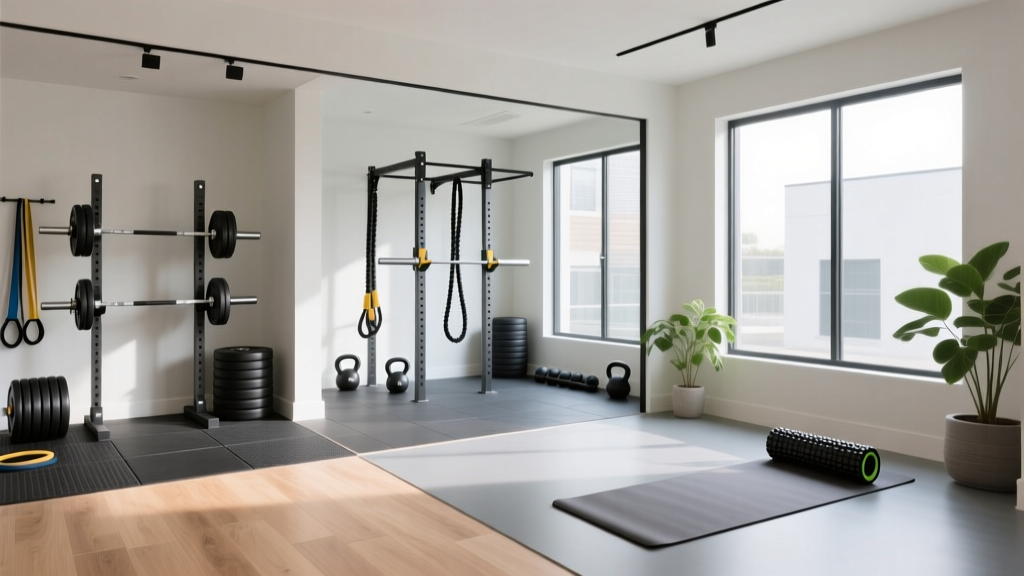
How Training Style Dictates Your Home Gym Renovation Cost

How To Start Equip Body Arms: A Practical, Space-Smart Guide for Home Gym Arm Training

The Ultimate Plunge Guide: Building a Safe, Functional, and Aesthetic Cold Plunge Tub at Home

Small Home Gym Layout: Dual-Purpose Office Setup Walkthrough
Studio Apartment Gym Design: How to Find Affordable Sports Equipment