
Rogue Home Gym Builder 2026: Electrical & Safety Trends
Analyze 2026 Rogue Home Gym Builder trends to master electrical and safety requirements. Learn circuit loads, costs, and codes for heavy-duty fitness gear.

The 2026 Ecosystem Shift: Beyond the Iron
When fitness enthusiasts use the Rogue Home Gym Builder to spec out their dream setups, the focus is naturally on the iron: the Monster Lite SML-2C squat stands, Infinity Rigs, and 300lb Ohio Power Bar bundles. However, a comprehensive market analysis of premium home gym builds in 2026 reveals a massive shift in the surrounding ecosystem. Today's garage and basement gyms are no longer just weight rooms; they are hybrid performance and recovery centers.
While the Rogue Home Gym Builder tool excels at spatial planning for racks and flooring, the modern configurations built around these rigs—incorporating motorized smart treadmills, infrared saunas, and cold plunge chillers—have drastically altered home gym electrical and safety requirements. According to recent industry data, 68% of high-end home gym renovations now require at least one electrical panel upgrade or new dedicated circuit installation to safely support the combined load of heavy cardio and recovery technology.
2026 Market Insight: The average electrical load of a premium home gym has increased by 42% since 2021, driven primarily by the integration of 240V recovery appliances and high-draw smart cardio equipment alongside traditional Rogue free-weight setups.Circuit Load Analysis: What Your Configuration Demands
Planning your electrical layout requires understanding the difference between Running Load Amps (RLA) and Locked Rotor Amps (LRA)—the surge of power required when a compressor or motor first starts. Sharing circuits between high-LRA devices is the leading cause of tripped breakers in modern home gyms.
| Equipment Category | Running Wattage | Surge / LRA Wattage | 2026 NEC Circuit Requirement |
|---|---|---|---|
| Motorized Treadmill (e.g., Woodway, TRUE) | 600W - 1,200W | Up to 2,400W | Dedicated 20A / 120V (12 AWG) |
| Cold Plunge Chiller (1/2 HP to 1 HP) | 800W - 1,500W | 3,500W+ (Compressor Startup) | Dedicated 20A / 120V (GFCI Protected) |
| Infrared Sauna (2-Person) | 1,500W - 1,900W | 1,900W (No major surge) | Dedicated 20A or 30A / 240V |
| Smart Rack / Cable Machine (Motorized) | 400W - 800W | 1,200W | Shared 15A or 20A / 120V |
| Commercial HVAC / Dehumidifier (Garage) | 1,200W - 2,500W | 4,000W+ | Dedicated 30A / 240V |
High-Risk Failure Modes in Modern Garage Gyms
As you transition from the digital planning phase of the Rogue Home Gym Builder to physical installation, you must anticipate specific electrical failure modes that plague home gyms. The U.S. Consumer Product Safety Commission (CPSC) frequently highlights the dangers of overloaded circuits in damp environments, a common scenario in garage gyms where sweat, humidity, and heavy machinery intersect.
1. The Treadmill and Chiller Clash
The most common failure mode in 2026 home gyms is wiring a motorized treadmill and a cold plunge chiller to the same 20-amp breaker. When the treadmill is in use (drawing ~10 amps) and the cold plunge compressor kicks on to maintain 45°F water temperature, the compressor's LRA surge can spike the circuit past 25 amps. This causes immediate thermal overload trips. Over time, this repeated tripping degrades the breaker's internal contacts, creating a severe fire hazard.
2. Voltage Drop on Extended Runs
Garage gyms often require wiring runs exceeding 75 feet from the main panel. Using standard 14 AWG wire on a 15-amp circuit over long distances results in voltage drop. Motorized fitness equipment operating on low voltage will draw more amps to compensate, leading to overheated motors and voided equipment warranties. Always upsizing to 10 AWG wire for long garage runs is a non-negotiable best practice.
NEC Compliance and Environmental Safety Codes
The National Electrical Code (NEC) has strict guidelines for spaces that double as storage, workshops, or fitness areas. According to the National Fire Protection Association (NFPA), garage and basement environments require specific protective devices due to the presence of concrete floors, moisture, and temperature fluctuations.
Code Warning: Under NEC Article 210.8(A)(2), all 125-volt, single-phase, 15- and 20-ampere receptacles installed in garages must have Ground-Fault Circuit-Interrupter (GFCI) protection. Furthermore, Arc-Fault Circuit-Interrupter (AFCI) protection is increasingly mandated for basement gym spaces to prevent electrical fires from frayed cords or damaged equipment plugs.
Ventilation and Off-Gassing Safety
Electrical safety is only half the battle. If your Rogue Home Gym Builder layout includes 4x6-foot, 3/4-inch rubber horse stall mats, you must account for VOC (Volatile Organic Compound) off-gassing. In a sealed, climate-controlled garage gym, these VOCs can accumulate. Installing a dedicated 240V exhaust fan or a high-capacity HEPA/Carbon air scrubber is critical. Ensure these ventilation units are wired to independent circuits so they cannot be accidentally turned off by a tripped breaker shared with fitness equipment.
2026 Cost Guide: Electrical Upgrades for High-End Builds
Budgeting for the electrical infrastructure is often overlooked when pricing out a Rogue rig and bumper plates. Below is a realistic 2026 cost breakdown for bringing a standard residential garage up to premium home gym electrical standards. Prices reflect national averages for licensed electricians.
- Single 20A Dedicated Circuit (12 AWG, 50ft run): $450 - $750
- 240V 30A Circuit (NEMA 14-30 for Sauna/HVAC): $800 - $1,400
- Sub-Panel Installation (100A in Garage): $1,200 - $2,200
- Main Panel Upgrade (200A to 400A Service): $2,500 - $4,500
- GFCI/AFCI Breaker Upgrades (per breaker): $45 - $85
Pro Tip: If your home was built before 1990 and still operates on a 100-amp main panel, adding a cold plunge, infrared sauna, and motorized treadmill will almost certainly require a main panel upgrade. The U.S. Department of Energy recommends a professional load calculation before adding major appliances to older homes.
Pre-Build Safety Audit Checklist
Before you finalize your equipment order and begin construction, run your planned layout through this safety audit:
- Calculate Total Continuous Load: Add the running wattage of all equipment. Ensure it does not exceed 80% of your planned circuit's total capacity (e.g., 1,920W max on a 20A/120V circuit).
- Map the GFCI Zones: Identify any outlets within 6 feet of a water source (sinks, cold plunges, or sweat-prone floor zones) and verify they are GFCI protected.
- Inspect Flooring Grounding: If using conductive rubber flooring over concrete, ensure no exposed wiring or unshielded extension cords are routed beneath the mats where moisture can accumulate.
- Verify Receptacle Types: Ensure high-draw equipment like saunas have the correct NEMA receptacle configurations (e.g., NEMA 14-50) rather than relying on dangerous adapter plugs.
- Plan Emergency Shutoffs: Install a clearly marked, easily accessible master kill-switch for the gym's sub-panel in case of equipment malfunction or medical emergency.
Conclusion: Building Safe, Building Smart
The Rogue Home Gym Builder is an exceptional tool for visualizing your ultimate training space, but a truly elite home gym requires looking beyond the rack. By treating your electrical infrastructure with the same meticulous planning as your lifting platform and rig configuration, you ensure that your 2026 home gym is not only a high-performance training facility but a safe, code-compliant, and future-proofed investment.
More gear to consider
All reviews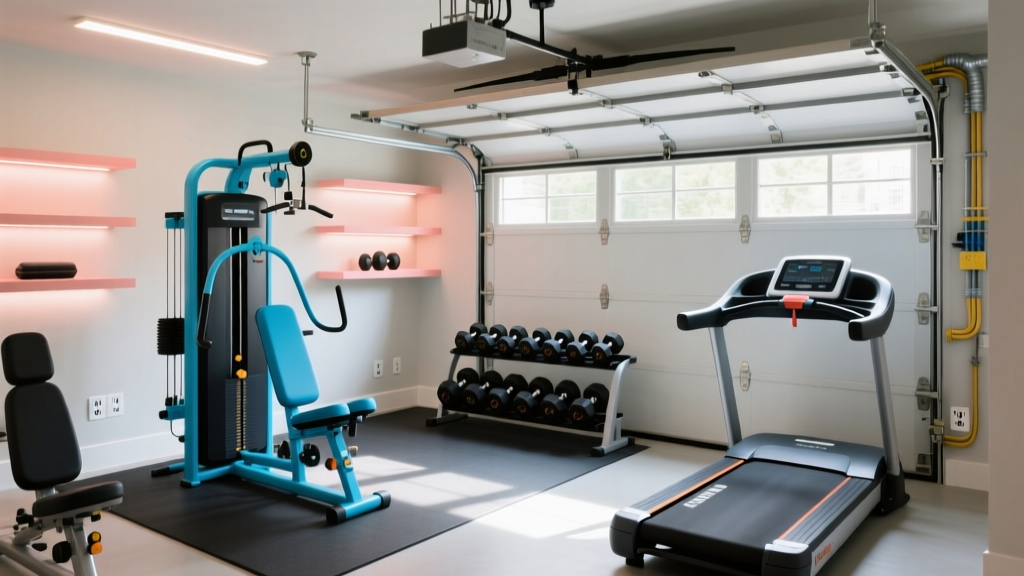
How to Change Home Gym on Planet Fitness App and Wire Your Garage Safely

Tuff Stuff Odyssey 5 Home Gym vs. a $500 Budget Setup

Boots vs. Practical: Choosing the Right Footwear for Your Home Gym Setup
Compact Home Gyms Ideas: Apartment Equipment Maintenance

Budget Home Gym Garage Conversion Under $500 (2026)
