
Avoid These Rental Apartment Gym Mistakes With Home Gym Glass Doors
Discover critical troubleshooting tips for no-damage rental apartment gyms. Learn how to protect your deposit, manage acoustics, and handle home gym glass doors.

The Hidden Risks of Apartment Gyms Near Glass Features
Building a home gym in a rental apartment requires a delicate balance between training intensity and lease compliance. In 2026, with more renters converting sunrooms, enclosed balconies, and living areas with large architectural glass features into dedicated workout zones, a new set of structural challenges has emerged. The most common point of failure? Improperly managing the space around home gym glass doors.
Whether you are dealing with sliding patio doors, French doors leading to a balcony, or modern glass-paneled room dividers, these architectural elements are highly vulnerable to vibration, thermal shifts, and acoustic reflection. A single mistake can result in shattered tempered glass, warped tracks, or severe mold damage to the surrounding drywall—any of which will instantly obliterate your security deposit.
Security Deposit Warning: According to recent renter insurance data, glass and track damage claims in modified apartment spaces have risen by 14% over the last two years. Landlords are increasingly scrutinizing heavy equipment placement near exterior glass thresholds.This troubleshooting guide breaks down the most frequent mistakes renters make when setting up a no-damage apartment gym near glass features, providing exact measurements, product recommendations, and remediation strategies.
Mistake 1: Miscalculating the Drop Zone Near Home Gym Glass Doors
The most catastrophic mistake renters make is placing their primary lifting zone too close to sliding or hinged glass doors. Many assume that because tempered glass is rated for high impact, it can withstand the proximity of dropped weights. This fundamentally misunderstands how kinetic energy travels through a subfloor.
The Physics of Dropped Plates and Lateral Vibration
When you drop a 45lb bumper plate from a height of seven feet, it generates roughly 1,200 to 1,500 lbs of peak impact force. If you are using cheap 8mm EVA foam puzzle mats (which compress fully upon impact), up to 90% of this shockwave transfers directly into the concrete or wood subfloor. This vibration travels laterally and can cause sliding glass door tracks to warp, rollers to jump their rails, or the high-frequency resonance to compromise the edge seals of double-pane glass.
The Fix: You must establish a minimum 4-foot buffer zone between your drop area and any home gym glass doors. Furthermore, you need to decouple the floor. According to the Home Gym Flooring Guide by Rubber Flooring Inc, a proper apartment drop zone requires a dual-layer system. Start with a 5mm acoustic rubber underlayment (like ShockPad, ~$1.50/sq ft), topped with 3/4-inch vulcanized rubber mats (such as Rogue Fitness HG 2.0 Mats at ~$2.50/sq ft or standard horse stall mats from Tractor Supply for ~$55 per 4x6 sheet). This combination absorbs the vertical impact and drastically reduces lateral vibration transfer.
Mistake 2: UV Degradation and Condensation Traps
Renters often utilize spaces with abundant natural light for their gyms, but fail to account for the microclimate created by intense workouts in a sealed room. Home gym glass doors act as a massive thermal bridge, creating two distinct problems: UV degradation of equipment and severe condensation.
The UV Chalking Effect
Direct sunlight streaming through glass doors will rapidly degrade non-UV-stabilized rubber flooring and resistance bands. Within 6 to 8 months, the rubber will begin to 'chalk,' releasing a fine, toxic-smelling black dust that stains baseboards and ruins the aesthetic of the apartment. Solution: Apply a static-cling UV-blocking window film (such as Gila Heat Control, ~$14 per roll). Because it uses static cling rather than adhesive, it leaves zero residue upon removal, keeping your lease intact.
Condensation and Black Mold
Heavy breathing during cardio or high-rep hypertrophy work drastically raises indoor humidity. When this warm, moist air hits the cold surface of exterior glass doors, it condenses. If this water pools in the bottom door track and seeps into the adjacent drywall return, it creates a perfect breeding ground for black mold. The EPA's Brief Guide to Mold explicitly warns that mold can begin growing on wet building materials within 24 to 48 hours. To troubleshoot this, you must run a compact dehumidifier (like the Midea 20-pint model, ~$140) during your workouts and ensure the door tracks are wiped dry post-session.
Equipment Vibration & Glass Proximity Matrix
Use the table below to determine the safe placement of your equipment relative to home gym glass doors. These distances assume you are using proper 3/4-inch rubber flooring with an acoustic underlayment.
| Equipment Type | Peak Vibration Profile | Minimum Safe Distance from Glass | Required Floor Decoupling |
|---|---|---|---|
| Heavy Dumbbells (50+ lbs) | High (Point-Load Impact) | 5 Feet | 3/4" Rubber + 5mm Underlayment |
| Olympic Barbell Drops | Extreme (Resonant Shockwave) | 6 Feet | 3/4" Rubber + 1/2" Crumb Rubber Pad |
| Rowing Machine (Concept2) | Low-Medium (Rhythmic Friction) | 2 Feet | Standard 8mm EVA or 3/8" Rubber |
| Spin Bike (Peloton/Schwinn) | Low (Static Weight + Minor Sway) | 1 Foot | Equipment Mat (PVC) |
| Kettlebell Swings/Drops | High (Asymmetric Impact) | 4 Feet | 3/4" Vulcanized Rubber |
Mistake 3: Improper Rigging and Tension Bar Damage
When setting up a pull-up station near a glass door frame or using a glass-paneled room divider to section off the gym, renters frequently rely on standard tension-mounted doorway pull-up bars (e.g., the Perfect Fitness Multi-Gym Pro). This is a massive error.
Apartment door frames are rarely solid wood; they are typically constructed from hollow-core MDF, thin pine, or vinyl-clad particleboard. The outward lateral force exerted by a 180lb person doing pull-ups can easily exceed 300 lbs of pressure on the trim. This will crack the casing, dent the vinyl, and potentially pull the frame out of plumb, causing the adjacent glass door to bind or shatter.
No-Damage Rigging Alternatives
- Freestanding Power Towers: Units like the Stamina 1690 Power Tower (~$120) use a wide, weighted base that requires zero drilling and exerts no lateral pressure on nearby walls or door frames.
- Floor-to-Ceiling Tension Poles: Products like the Gophane Tension Pole (~$180) use a threaded screw mechanism to brace between the floor and ceiling. Troubleshooting tip: Always place a 1/4-inch neoprene pad under the base and over the ceiling cap to prevent scuffing the paint or denting the drywall.
- Freestanding Squat Stands: If you need to squat, avoid bolting racks to the floor. Use a freestanding pair like the Titan Fitness T-3 Short Squat Stands (~$350/pair) placed on a 4x8 foot rubber mat platform to prevent them from 'walking' during re-racking.
Troubleshooting Guide: Fixing Existing Acoustic Echo
Glass is highly reflective to sound waves. If your apartment gym is enclosed by home gym glass doors, you will likely experience a severe acoustic echo effect. This not only makes listening to music or coaching cues difficult, but it also amplifies the sound of clanking weights, leading to noise complaints from neighbors. As detailed in Soundproofing 101 by Soundproof Cow, treating the room requires breaking up the sound waves before they hit the glass.
- Identify the First Reflection Points: Sit in your primary workout position and have a friend move a mirror along the walls. Wherever you can see the glass doors in the mirror is a primary reflection point.
- Deploy Tension-Rod Acoustic Curtains: Do not drill curtain rods into the apartment walls. Instead, use heavy-duty spring tension rods placed inside the window/door casing to hang mass-loaded acoustic curtains (look for curtains with a high STC rating, costing roughly $60-$90 per panel).
- Utilize Interlocking Foam Wall Tiles: If you must treat a solid wall opposite the glass, use peel-and-stick acoustic foam. Crucial No-Damage Hack: Never apply the adhesive directly to apartment paint. Instead, apply painter's tape to the wall first, then apply double-sided mounting tape to the painter's tape. This allows for 100% damage-free removal.
Expert Insight: 'The biggest mistake I see in apartment gym builds is treating the space like a suburban garage. An apartment is a shared acoustic and structural ecosystem. You aren't just protecting the floor; you are managing the kinetic energy before it reaches the building's weakest architectural links—like glass door tracks and drywall returns.' — FitGearPulse Structural Setup Team
Final Thoughts on No-Damage Setups
Creating a high-performance home gym in a rental apartment is entirely feasible in 2026, provided you respect the physical limitations of the space. By properly decoupling your flooring, managing the microclimate around your home gym glass doors, and utilizing freestanding or tension-based rigging, you can train heavy without sacrificing your security deposit. Always document your space with time-stamped photos before laying down your first mat, and prioritize vibration management over aesthetic upgrades. Your equipment, your landlord, and your neighbors will thank you.
More gear to consider
All reviews
IKEA Home Gym vs Budget Gear: The Ultimate $500 Setup
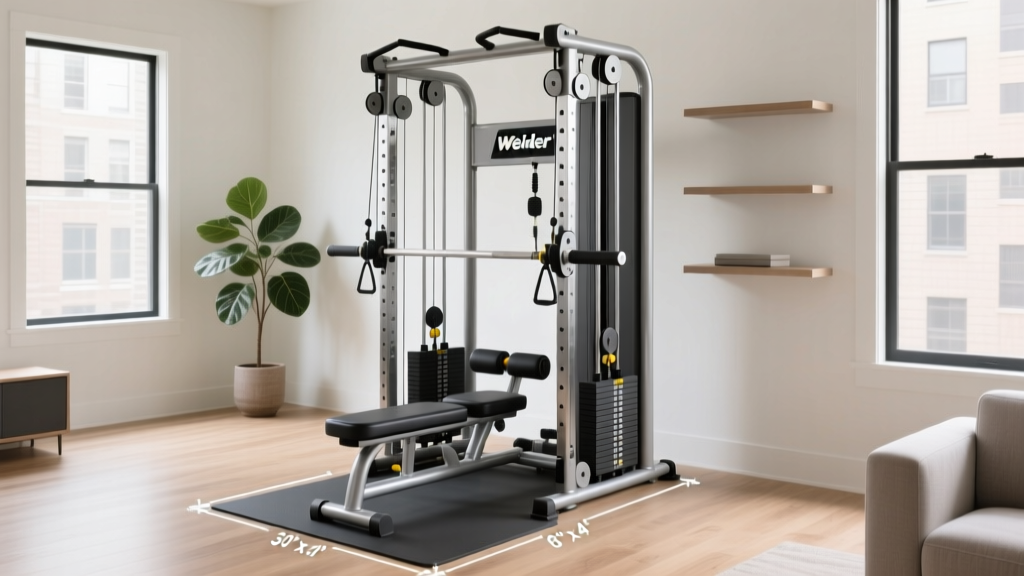
Weider Flex CTS Home Gym: Layout & Space Optimization
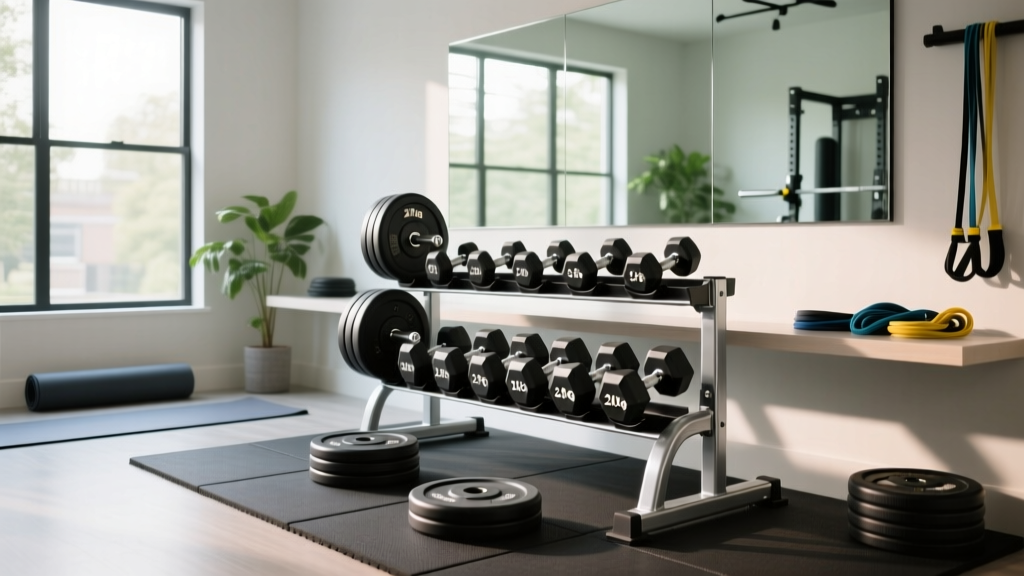
Building a Home Gym: How Much Weight You Actually Need

10x10 Home Gym Trends: Zero-Damage Rental Setups in 2026

Compact Foldable Gear & Paint Colors for Home Gym Layouts
