
Planet Fitness Switch: Home Gym Maintenance & Longevity
Making the Planet Fitness switch? Learn essential home gym maintenance for strength training gear, from barbell care to rack longevity and flooring.

The Planet Fitness Switch: From Wiped Seats to Facility Manager
Making the Planet Fitness switch to a dedicated home gym configuration for strength training is a massive milestone. You are officially trading fixed-path Smith machines, 75-pound dumbbell limits, and the infamous 'lunk alarm' for the raw, unassisted reality of a power rack, Olympic barbell, and calibrated plates. But there is a hidden reality to this transition that most beginners overlook: at a commercial gym, a staff member maintains the equipment. In your garage or basement, you are the facility manager.
Heavy iron requires heavy maintenance. A commercial gym replaces a degraded barbell every two years; a well-maintained home gym barbell will outlive you. This guide dives deep into the exact maintenance protocols, environmental controls, and longevity tips required to protect your strength training investment in 2026 and beyond.
The Baseline Strength Configuration: What You Are Maintaining
Before we apply the wrench and the oil, let us establish the standard strength training configuration most lifters adopt after leaving a commercial fitness center. Your maintenance routine will directly target these core components:
- The Rack: A 4-post or 6-post power rack (e.g., Rogue SML-2 Monster Lite or REP Fitness PR-4000) utilizing 5/8-inch or 1-inch hardware.
- The Barbell: A 45lb Olympic power bar with a 29mm shaft, bronze bushings, and a zinc, Cerakote, or stainless steel finish.
- The Plates: Virgin rubber bumper plates or cast iron calibrated plates.
- The Flooring: 3/4-inch vulcanized rubber horse stall mats over a concrete subfloor.
Barbell Longevity: Beyond the Post-Workout Wipe Down
At Planet Fitness, you wipe down the vinyl seat of a leg press with a chemical spray. An Olympic barbell requires a vastly different, metallurgically sound approach. Chalk, dead skin, and ambient moisture pack into the knurling, creating a micro-environment for rust.
Knurling Hygiene
According to BarBend's comprehensive barbell maintenance guide, you must clean your knurling weekly. Use a stiff nylon bristle brush. Never use a wire or brass brush on zinc or Cerakote finishes, as it will strip the protective coating and expose raw steel to oxidation. Brush the knurling while rotating the bar, followed by a wipe-down with a microfiber cloth lightly dampened with mineral oil.
Shaft and Sleeve Oxidation
The finish of your barbell dictates its care. If you purchased a standard zinc-coated bar (like the classic Rogue Fitness Ohio Power Bar), it requires monthly oiling. Apply a few drops of 3-IN-ONE Multi-Purpose Oil or food-grade mineral oil to the shaft and sleeves. Never use WD-40. WD-40 is a solvent and water displacer, not a lubricant; it will strip existing oils and accelerate long-term rust.
⚠️ Critical Warning: Bushing LubricationDo not spray oil directly into the sleeve where it meets the shaft. This can wash out the factory grease packed inside the bronze bushings or needle bearings. If your sleeves stop spinning smoothly, consult the manufacturer for specific lithium grease injection points rather than guessing with liquid oils.
Power Rack Integrity and Hardware Fatigue
When you transition to heavy compound lifting—squatting 315 lbs or deadlifting 405 lbs—the dynamic force transferred through your rack is immense. Over hundreds of reps, micro-vibrations cause hardware to back out.
The Quarterly Torque Protocol
Every 90 days, you must perform a structural audit of your power rack. Use a socket wrench to check all structural bolts. Pay special attention to the upright-to-crossmember connections and the safety spotter arm brackets. If your rack uses sandwich J-cups, inspect the UHMW (Ultra-High Molecular Weight) plastic lining. Once the plastic wears down to the metal, replace the inserts immediately to prevent your barbell's knurling from being destroyed by raw steel contact.
Environmental Control: The Silent Equipment Killer
Most home gym configurations are built in garages or basements. These spaces are notorious for temperature fluctuations and high humidity. The EPA guidelines on moisture control note that relative humidity (RH) above 60% creates an ideal environment for mold, but for steel equipment, anything above 55% RH accelerates flash rusting.
Dehumidification Strategy
If your home gym is in an uninsulated garage, a $250 investment in a 50-pint Energy Star dehumidifier (such as models from Midea or Yaufey) is non-negotiable. Set the humidistat to 45% RH. Furthermore, keep your barbell stored horizontally on the rack or vertically in a specialized barbell sleeve; leaning it against a cold, damp drywall or concrete wall will warp the shaft and invite localized rust.
The Ultimate Home Gym Maintenance Matrix
To systematize your facility management, use this maintenance cadence. Consistency is the difference between a gym that degrades in three years and one that lasts three decades.
| Task | Frequency | Tools Required | Time Investment |
|---|---|---|---|
| Knurling Brush & Wipe | Weekly | Nylon brush, microfiber cloth | 3 Minutes |
| Barbell Shaft Oiling | Monthly (Zinc/Carbon) | 3-IN-ONE Oil, rag | 5 Minutes |
| Rack Hardware Tightening | Quarterly | Socket wrench set | 15 Minutes |
| Rubber Mat Deep Clean | Bi-Annually | Mild dish soap, push broom | 20 Minutes |
| Dehumidifier Filter Vac | Monthly | Shop-Vac | 5 Minutes |
Bumper Plates and Flooring: Protecting the Rubber
Unlike the urethane-coated dumbbells at Planet Fitness, home gym bumper plates and horse stall mats are typically made of vulcanized rubber. This material is highly durable but vulnerable to two specific threats: UV radiation and harsh chemical cleaners.
Never clean your rubber flooring or bumper plates with bleach, ammonia, or alcohol-based solvents. These chemicals break down the sulfur bonds in the vulcanization process, causing the rubber to dry out, crack, and eventually crumble. Instead, sweep daily and mop monthly using warm water mixed with a pH-neutral dish soap. If your gym receives direct sunlight, apply a UV-protectant rubber restorer (similar to those used for automotive tires) twice a year to prevent the surface from oxidizing and turning chalky.
"The transition to a home gym is not just about buying equipment; it is about adopting the mindset of an equipment curator. The iron does not care about your PRs; it only responds to how you treat it."
Final Thoughts on Your Strength Setup
Leaving the commercial gym ecosystem means taking total ownership of your training environment. By implementing these targeted maintenance routines—respecting barbell metallurgy, auditing rack hardware, and controlling ambient humidity—your home gym configuration will remain a pristine, high-performance strength facility for decades. The Planet Fitness switch gave you the freedom to lift heavy; proper maintenance ensures you always have the gear to do it safely.
More gear to consider
All reviews
Apartment Mistakes: Major Fitness All In One Home Gym Power Rack PLM03

Do It Yourself Home Gym Equipment: How Much Weight Do You Need?

How to Design a Home Gymnastics Gym: Floor Plans & Setup Guide
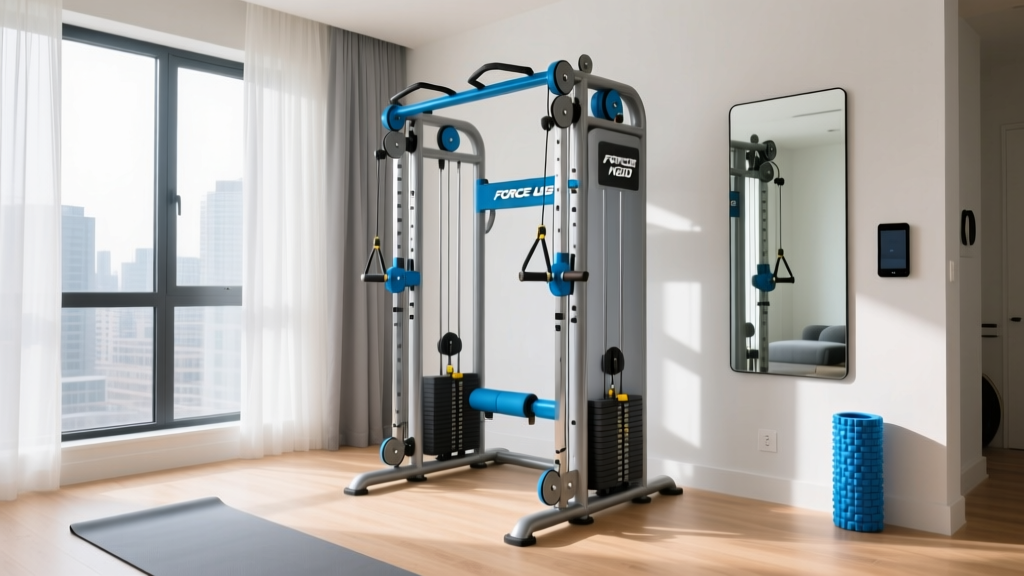
Force USA HG100 Home Gym Reviews: 2026 Apartment Setup Trends

Essential Starter Kit: Optimizing Home Gym Dimensions
