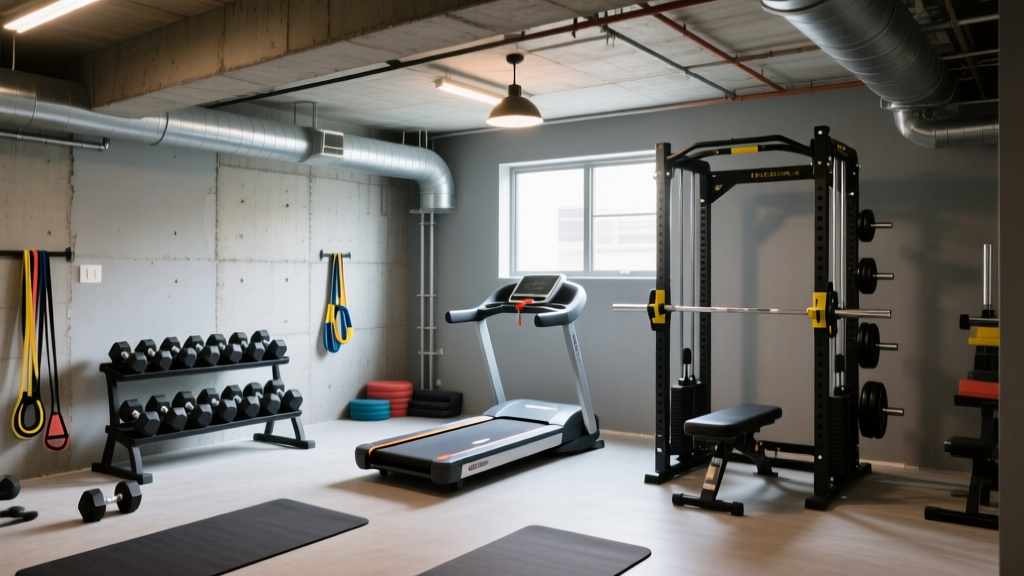
2026 Outdoor Home Gym Shed Electrical & Safety Guide
Explore 2026 electrical codes, load calculations, and safety requirements for building an outdoor home gym shed. Avoid costly wiring failures.

The 2026 Market Shift: From Storage Sheds to High-Performance Fitness Studios
The backyard fitness revolution has fundamentally altered the residential construction market. According to recent industry data, the demand for the outdoor home gym shed has surged by 42% since 2023, transitioning from basic wooden outbuildings to fully insulated, high-amperage fitness studios. Homeowners are no longer just storing kettlebells in a garden shed; they are installing commercial-grade treadmills, infrared saunas, and climate-control systems in detached structures.
This trend has exposed a critical gap in the market: electrical and safety infrastructure. A standard 120V, 15-amp shed circuit designed for a string of LED lights and a lawnmower charger will catastrophically fail when subjected to the continuous draw of a NordicTrack X32i treadmill and a 24,000 BTU mini-split HVAC system. In 2026, navigating the National Electrical Code (NEC) and understanding structural safety is the dividing line between a high-performance training sanctuary and a severe fire hazard.
📊 2026 Market Trend Insight: Prefabricated outdoor gym sheds equipped with pre-wired 100-amp subpanels are currently commanding a 28% premium on the resale market compared to retrofitted storage sheds, driven by buyer fatigue over municipal permitting delays for trenching and electrical upgrades.Decoding the Electrical Load: Sizing Your Subpanel
The most common failure mode in outdoor gym builds is underestimating the continuous electrical load. To determine your subpanel requirements, you must map the exact amperage of your intended equipment. Generic advice to "install a 60-amp panel" is dangerously outdated for modern fitness setups.
Real-World Equipment Amperage Breakdown
- Motorized Treadmills: The Peloton Tread+ requires a dedicated 120V, 15-amp circuit. Heavier models like the NordicTrack Commercial X32i demand a dedicated 120V, 20-amp circuit. Running two treadmills simultaneously requires 40 amps of dedicated 120V capacity alone.
- Climate Control (HVAC): A standard ductless mini-split heat pump (e.g., Mr. Cool DIY 24k BTU) requires a 208-230V, 20-amp dedicated circuit to manage both extreme summer heat and winter freezing in an uninsulated or semi-insulated shed.
- Infrared Saunas: A 2-person outdoor-rated infrared sauna (like those from Clearlight) typically requires a 240V, 30-amp to 40-amp dedicated circuit.
- Lighting & Accessories: LED high-bay lighting, smart mirrors, and charging stations generally draw less than 5 amps combined but require standard 15-amp or 20-amp GFCI receptacle circuits.
The Verdict: For a comprehensive outdoor home gym shed featuring dual treadmills, a mini-split, and standard outlets, a 100-amp subpanel is the minimum viable standard in 2026. If you plan to add an infrared sauna or a hot tub for recovery, you must upgrade to a 200-amp subpanel.
Trenching, Wiring, and the Voltage Drop Trap
Routing power from your home's main panel to a detached outdoor structure involves strict adherence to NEC Article 225 (Outside Branch Circuits and Feeders). You have two primary options for underground wiring:
- Direct Burial UF-B Cable: Must be buried at least 24 inches deep. It is cheaper but highly susceptible to damage from future landscaping or rodent activity.
- THWN Wire in PVC Conduit: Requires an 18-inch trench depth. This is the 2026 industry standard for outdoor gyms, as it allows you to pull new, thicker wires in the future without digging up your yard.
The Voltage Drop Calculation (An Expert's Edge Case)
Most DIY guides ignore voltage drop, which occurs when electricity travels over long distances through wire, losing pressure. The NEC recommends a maximum voltage drop of 3% for feeder circuits. If your outdoor home gym shed is located 150 feet from your main house panel, standard 6 AWG copper wire will result in a voltage drop that can damage the sensitive logic boards on modern smart treadmills.
Expert Calculation: For a 150-foot run carrying a 50-amp continuous load on a 240V circuit, using 6 AWG copper wire yields a voltage drop of roughly 7.3V (just over the 3% limit of 7.2V). You must upsize to 4 AWG copper or 2 AWG aluminum to ensure your expensive fitness equipment receives clean, stable power.
2026 Cost Matrix: Electrical & Safety Infrastructure
Budgeting for an outdoor gym requires looking beyond the cost of the shed shell. Below is the current market pricing for professional electrical and safety integrations.
| Infrastructure Component | Specification / Material | Estimated 2026 Cost (Installed) |
|---|---|---|
| Main Panel Upgrade | Upgrading home main from 100A to 200A | $2,500 - $4,200 |
| Subpanel Installation | 100-Amp outdoor-rated subpanel (NEMA 3R) | $800 - $1,400 |
| Trenching & Conduit | 100 ft trench, 1.5" Schedule 40 PVC | $1,200 - $1,800 ($12-$18/ft) |
| Wire Pulling (4 AWG) | 4 AWG Copper THWN (4 wires) | $900 - $1,300 |
| GFCI & Weatherproofing | IP65 rated outlets, bubble covers | $350 - $600 |
| Smart Leak Detection | Moen Flo or Phyn smart water/shut-off | $400 - $750 |
Environmental Safety: Moisture, Sweat, and Grounding
An outdoor home gym shed is a uniquely hostile environment for electronics. The combination of heavy human respiration, sweat vapor, and exterior temperature fluctuations creates severe condensation risks. The Consumer Product Safety Commission strictly mandates Ground Fault Circuit Interrupter (GFCI) protection for all outdoor and damp-location receptacles to prevent lethal shocks.
Moisture Mitigation Strategies
- Vapor Barriers: If building on a concrete slab, a 10-mil polyethylene vapor barrier must be laid beneath the pour. Sweat and spilled water will otherwise wick into the concrete, creating a humid microclimate that rusts power racks and shorts out floor-level outlets.
- Outlet Placement: Never install electrical receptacles within 18 inches of the floor in a gym shed. Spilled water bottles and wet mop cleaning are inevitable. Mount all outlets at a minimum of 24 inches above the finished floor.
- NEMA 3R Enclosures: Even if the interior of your shed is climate-controlled, the exterior subpanel and main disconnect must be housed in a NEMA 3R (rainproof) enclosure to withstand driving storms and humidity.
Fire Safety and Emergency Protocols
High-amperage friction equipment (treadmills) combined with insulated wooden structures presents a distinct fire profile. The National Fire Protection Association highlights that outdoor structures often suffer delayed emergency response times due to their distance from the main residence and lack of integrated alarm systems.
⚠️ Safety Mandate: Standard battery-operated smoke detectors are insufficient for detached outdoor gyms. You must install hardwired, interconnected smart smoke/CO detectors (like the Nest Protect) that send immediate push notifications to your phone if a thermal event occurs while you are inside the main house or away from the property.The 2026 Smart Breaker Advantage
Modern electrical safety has moved beyond physical breakers. Upgrading your outdoor subpanel to a smart electrical panel (such as the Span.IO panel or Leviton Smart Load Center) allows you to monitor the exact real-time wattage of your gym shed from your smartphone. More importantly, these panels feature automated arc-fault (AFCI) and ground-fault (GFCI) software detection, shutting off power in milliseconds if they detect the microscopic electrical arcing that precedes a wire fire inside an insulated wall cavity.
Strategic Build Framework: Your Step-by-Step Action Plan
To ensure your outdoor home gym shed is safe, legal, and capable of handling your fitness tech, follow this sequential framework:
- Audit Your Main Panel: Verify your home's main service has at least 100 amps of spare capacity. If not, schedule a utility service upgrade immediately (lead times can exceed 6 months).
- Map the Equipment: Finalize your equipment list and sum the dedicated amperage requirements. Add 20% to this total for future expansion.
- Design the Conduit Run: Measure the exact distance from the main panel to the shed. Use the voltage drop formula to select the correct wire gauge (AWG) before purchasing materials.
- Pull Permits: Submit your electrical and structural plans to the local municipality. Detached structures with permanent power almost always require a specific building and electrical permit.
- Execute Trenching & Rough-in: Dig the 18-inch minimum trench, lay the PVC, and pull the THWN wire before pouring any concrete walkways or landscaping over the route.
- Install Climate & Safety Tech: Mount the mini-split, hardwire the smart smoke detectors, and seal all wall penetrations with fire-rated expanding foam to maintain the shed's thermal and vapor envelope.
Building an outdoor home gym shed is a premium investment in your health and property value. By prioritizing robust electrical architecture and proactive safety systems, you ensure that your backyard training facility remains a powerful, resilient asset for years to come.
More gear to consider
All reviews
Home Gym Size and Layout: The Essential Starter Kit Guide

Bells of Steel All-In-One Home Gym: Outdoor Setup & Weather Guide

Best Mirrors & Lighting for Sincmill Home Gym Workouts
Basement Home Gym Design Ideas: Essential Beginner Starter Kit

Couples' Home Gym Setup Guide & Sincmill Home Gym Workout Routine