Must Haves for Home Gyms: Renovation Budget Analysis
Discover the structural must haves for home gyms during renovations. We break down remodeling costs, ROI on flooring, HVAC, and electrical upgrades.

Beyond the Barbell: The True Cost of Home Gym Renovations
When planning a home gym setup, most enthusiasts focus 90% of their budget on the equipment itself—splurging on a Rogue rack, a Concept2 rower, or a high-end smart treadmill. However, the structural environment housing that gear is just as critical. As of 2026, the shift toward premium, commercial-grade fitness equipment in residential spaces has exposed major flaws in standard room construction. Dropping 300 pounds of bumper plates on standard drywall and shared residential circuits is a recipe for catastrophic property damage and interrupted workouts.
Understanding the structural must haves for home gyms requires a shift in perspective: you are not just buying gear; you are remodeling a space to handle extreme dynamic loads, high electrical draws, and intense humidity. This guide provides a comprehensive budget breakdown and value analysis for the essential renovation upgrades that protect your home and maximize your investment.
The Foundation: Subfloor and Flooring Must Haves
The most common failure mode in garage and basement gym renovations is laying rubber mats directly over a concrete slab. While concrete seems indestructible, the repeated impact of dropped weights creates micro-fractures over time. Furthermore, concrete wicks moisture, which gets trapped under impermeable rubber flooring, leading to black mold and a degraded subfloor.
The Proper Flooring Stack
To build a resilient floor, you need a multi-layered approach. Here is the exact material stack required for a heavy-lifting zone:
- Vapor Barrier: 6-mil polyethylene sheeting overlapped and taped at the seams. (Cost: $0.15 - $0.25 per sq. ft.)
- Subfloor Decking: 3/4-inch tongue-and-groove OSB or plywood to distribute impact loads and create a thermal break. (Cost: $1.20 - $1.80 per sq. ft.)
- Impact Layer: 3/4-inch (19mm) thick vulcanized rubber tiles or heavy-duty horse stall mats. Vulcanized rubber is denser, smells less, and resists tearing better than standard crumb rubber. (Cost: $2.50 - $4.50 per sq. ft.)
Value Analysis: While a 200-square-foot rubber-only floor costs about $600, the proper three-layer stack will cost closer to $1,000 in materials. However, the ROI is immense: you avoid concrete repair costs (which average $1,500 to $3,000 for slab leveling) and mold remediation, effectively paying for itself in risk mitigation.
Electrical Upgrades: Powering High-Draw Machines
Modern smart treadmills and ellipticals are power-hungry. A machine like the NordicTrack Commercial X32i or the Peloton Tread+ can draw between 15 and 20 amps under peak incline loads. Plugging two of these into a standard 15-amp residential bedroom circuit alongside a smart TV and space heater guarantees a tripped breaker mid-stride.
According to the National Electrical Code (NEC), high-draw appliances require dedicated circuits to prevent fire hazards from overheated wires. For a serious cardio deck, running dedicated 20-amp circuits is an absolute necessity.
Common Remodeling Failure Mode: The Shared Neutral
Many DIYers attempt to save money by wiring multiple 20-amp outlets on a single multi-wire branch circuit. When two treadmills run simultaneously on the same phase, the neutral wire can overload, creating a severe fire hazard inside your walls. Always hire a licensed electrician to pull individual, dedicated 20-amp lines from the main panel to your gym's cardio zone. Expect to pay $250 to $450 per dedicated circuit in 2026 labor rates.
Climate Control and Air Quality
Basements and garages are notorious for poor air exchange. When you introduce the sweat and heavy respiration of a 45-minute HIIT session into a sealed 400-square-foot room, humidity levels can spike above 70% in minutes. This environment warps wood subfloors, rusts unprotected iron dumbbells, and breeds mildew.
The EPA's Indoor Air Quality guidelines emphasize that inadequate ventilation in high-occupancy or high-exertion spaces concentrates volatile organic compounds (VOCs) and biological pollutants. For home gyms, the ultimate must-have is a ductless mini-split heat pump combined with a commercial-grade dehumidifier.
- Ductless Mini-Split (12,000 to 18,000 BTU): Provides targeted heating and cooling without drawing on your home's central HVAC system. According to the U.S. Department of Energy, mini-splits can be up to 30% more efficient than traditional ducted systems because they avoid ductwork energy losses. (Installed Cost: $1,800 - $3,500)
- Commercial Dehumidifier (50-70 Pint): Essential for basement setups. Look for models with continuous drain hose capabilities routed to a floor drain or sump pump. (Cost: $600 - $1,200)
Wall Reinforcement and Acoustic Dampening
Standard 1/2-inch drywall is incredibly fragile in a gym environment. A stray kettlebell swing or a barbell dropped off a J-hook will easily punch a hole through it. Furthermore, if your gym shares a wall with a living space or bedroom, the acoustic transfer of clanking iron will make the space unusable for the rest of the household.
The OSB Backing Strategy
Before hanging drywall, or by cutting out existing drywall in high-traffic zones, install 3/4-inch OSB or plywood backing directly into the wall studs. This provides a rock-solid mounting surface for heavy mirrors, plyo boxes, and wall-mounted cable machines. Once the OSB is up, you can either leave it exposed for an industrial aesthetic or drywall over it. If you drywall over it, use 5/8-inch Type X fire-rated drywall for added impact resistance and sound dampening.
Pro Tip: For shared walls, add Rockwool Safe'n'Sound mineral wool insulation between the studs before applying the OSB and drywall. This increases the Sound Transmission Class (STC) rating of the wall, significantly deadening the high-frequency 'clank' of dropped weights.
2026 Home Gym Renovation Budget & Value Matrix
The table below outlines the average costs for a standard 400-square-foot (20x20) garage or basement gym conversion, analyzing the upfront cost against the long-term value and property protection it affords.
| Renovation Upgrade | Est. Material Cost (400 sq ft) | Est. Labor Cost | Value & ROI Analysis |
|---|---|---|---|
| 3-Layer Subfloor & Rubber | $1,540 - $2,600 | $800 - $1,200 | Critical. Prevents $3k+ slab repairs and mold remediation. |
| Two Dedicated 20A Circuits | $150 - $250 | $500 - $900 | High. Eliminates fire risk and equipment damage from surges. |
| 12k BTU Mini-Split HVAC | $900 - $1,500 | $1,000 - $2,000 | High. Expands gym usability year-round; protects gear from rust. |
| Wall OSB Backing & 5/8" Drywall | $600 - $900 | $1,200 - $1,800 | Medium. Saves hundreds in drywall patching; enables heavy mounts. |
| Tempered Glass Mirrors (1/4") | $800 - $1,200 | $400 - $600 | Medium. Enhances form correction and visually doubles room size. |
Where to Splurge vs. Where to Save
When managing a remodeling budget, it is vital to separate structural necessities from cosmetic preferences.
Always Splurge On:
- Electrical and HVAC: These are the lungs and veins of your gym. Skimping here leads to tripped breakers, rusted equipment, and miserable summer workouts. Always hire licensed professionals for these installations.
- Subfloor Preparation: You cannot undo moisture damage or cracked concrete easily. Spend the money on proper vapor barriers and impact-distributing plywood before the rubber goes down.
Where You Can Save:
- Cosmetic Lighting: You do not need custom recessed smart-lighting. Standard 4000K LED shop lights or track lighting provide excellent, shadow-free illumination for a fraction of the cost of high-end architectural lighting.
- Wall Finishes: Leaving the OSB backing exposed and painting it with a durable semi-gloss exterior paint creates a rugged, functional aesthetic that costs hundreds less than taping, mudding, and painting drywall.
Final Thoughts on Renovation Value
Building a home gym is an investment in your health, but the space itself is an investment in your property. By prioritizing the structural must haves for home gyms—proper subflooring, dedicated electrical circuits, robust climate control, and reinforced walls—you ensure that your fitness sanctuary remains safe, functional, and durable for decades. When budgeting for your 2026 setup, allocate at least 20% to 30% of your total project cost toward these foundational remodeling upgrades. The equipment will eventually wear out, but a properly built room will stand the test of time.
More gear to consider
All reviews
Best Home Gym Gifts for Him: 2026 No-Damage Apartment Setups

Home Gym Build UK: Budget Guide to Mirrors & Lighting
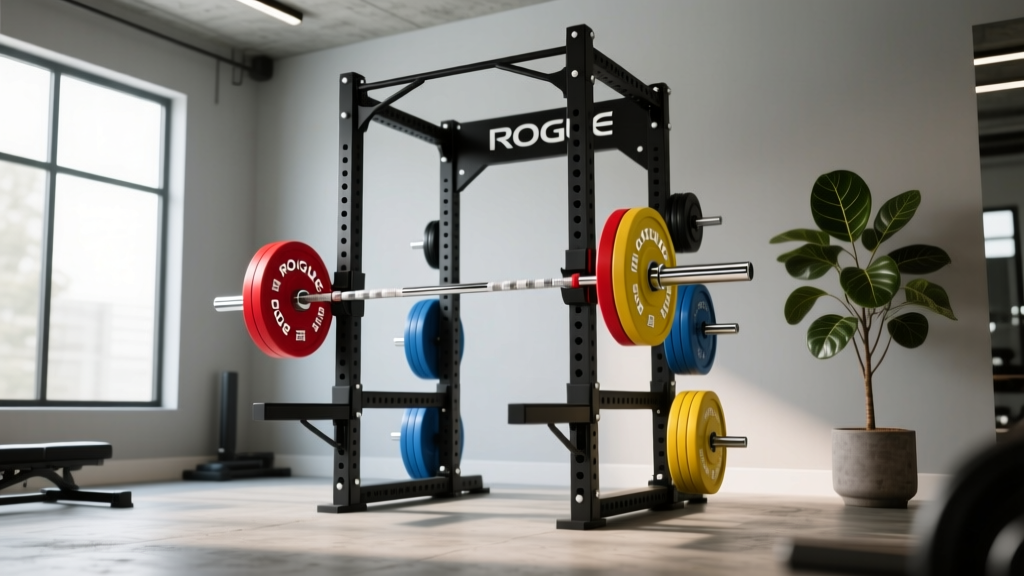
The Rouge Home Gym Starter Kit: Best Rogue Gear 2026

Layout Optimization for Your Weider Home Gym Exercise Program

Swedish Ladder Home Gym vs. Budget Setup Under $500 in 2026