
Top Home Gym Material Picks for Couples Building a Shared Space
Discover the best home gym material for couples. Our hands-on review covers flooring, rack steel, and upholstery for shared dual-use setups.

The Shared Space Dilemma: Why Material Selection Matters for Couples
Building a home gym for a single user is an exercise in personal preference. Building a home gym for a couple, however, is an intricate balancing act of biomechanics, differing strength levels, and spatial logistics. When two people share a 200-square-foot garage or basement, the equipment endures double the wear, tear, and environmental stress. Selecting the right home gym material is no longer just about aesthetics; it is about structural integrity, acoustic dampening, and long-term durability.
As fitness equipment engineers and reviewers, we have stress-tested dozens of shared setups. The most common failure point in couples' gyms isn't a lack of space—it's the degradation of subpar materials under dual-user loads. From the durometer rating of your flooring to the gauge thickness of your power rack, every material choice dictates the safety and longevity of your shared sanctuary. Here is our hands-on review of the exact materials you need to invest in for a couples-grade home gym in 2026.
Flooring Materials: Shock Absorption for Dual Drop-Ins
When two people are performing Olympic lifts or heavy deadlifts in a shared space, the cumulative kinetic energy transferred to your subfloor is immense. Standard interlocking EVA foam tiles—the most common beginner mistake—will compress, tear, and create an unstable base within six months of dual use.
Vulcanized Rubber vs. Crumb Rubber
For a shared couples' gym, you must specify 3/4-inch (19mm) solid vulcanized rubber. Vulcanization chemically cross-links the rubber polymers, creating a dense, non-porous surface that resists tearing and moisture absorption (crucial when two people are sweating in a confined space). Crumb rubber, while cheaper, is porous and tends to trap odors and bacteria over time.
- Top Pick: Rogue Fitness Horse Stall Mats (4x6 ft). Priced around $65 to $75 per mat in 2026, these offer an 80A Shore durometer hardness, providing the perfect balance of barbell protection and joint stability.
- Premium Upgrade: Ecore Athletic Vulcanized Rolls. At roughly $3.75 per square foot, these offer a seamless look with superior acoustic dampening properties, as noted in comprehensive flooring analyses by Garage Gym Reviews.
Rack and Rig Steel: 11-Gauge vs. 14-Gauge for Two-Person Safety
The power rack is the anchor of any shared gym. When couples perform supersets, load heavy plates, or attach band pegs, the torsional stress on the uprights is significant. Many budget racks use 14-gauge steel, which measures approximately 0.0747 inches thick. Under the dynamic load of two users racking heavy weights, 14-gauge uprights will exhibit visible flex and wobble, eventually compromising the welds.
The 11-Gauge Standard
For shared use, 11-gauge steel (0.1196 inches thick) is the non-negotiable minimum. This material provides a yield strength capable of supporting 1,000+ lbs of static load without micro-bending. Furthermore, you must opt for 3x3-inch tubing with laser-cut holes rather than punched holes, as laser cutting preserves the structural integrity of the steel.
Expert Insight: The Westside Spacing Advantage
When sharing a rack, partners often have different heights and limb lengths. Ensure your 11-gauge rack features 'Westside hole spacing' (1-inch hole spacing in the bench and squat zones). This allows both partners to set exact J-cup heights without dangerous micro-adjustments. Models like the REP Fitness PR-5000 V2 and the Rogue SML-2 Monster Lite excel in this shared-use ergonomics category.
Material Comparison Matrix: Budget vs. Couples-Grade
To help you allocate your budget effectively, we have broken down the material requirements for a solo user versus a shared couples' setup.
| Material Category | Solo-Use Tier (Budget) | Couples / Shared Tier (Recommended) | Why the Upgrade Matters for Two |
|---|---|---|---|
| Flooring | 3/8" Interlocking EVA Foam | 3/4" Solid Vulcanized Rubber | Prevents compression divots from double the foot traffic and dropped weights. |
| Rack Steel | 14-Gauge (2x2 Tubing) | 11-Gauge (3x3 Tubing) | Eliminizes wobble during heavy spotter-arm catches and dual pull-up bar use. |
| Bench Upholstery | Standard PVC Vinyl | Polyurethane (PU) with Diamond Stitching | PU resists sweat degradation and provides grip when transitioning between partners. |
| Pulley Cables | 4mm Nylon-Coated Steel | 6.2mm (5/16") Aircraft-Grade Steel | Prevents cable snapping during high-tension drop sets and alternating cable rows. |
Bench Upholstery and Padding: Surviving Sweat and Adjustments
An adjustable bench is the most frequently moved and adjusted piece of equipment in a shared gym. Standard PVC vinyl upholstery quickly degrades when exposed to the acidic pH of human sweat, leading to cracking, peeling, and a slippery surface that compromises safety during heavy dumbbell presses.
Polyurethane and High-Density Foam
For a couples' gym, demand benches upholstered in marine-grade Polyurethane (PU) or high-grade automotive vinyl with a diamond-plate stitch pattern. The stitching isn't just for aesthetics; it creates micro-friction points that keep your back locked in place during incline presses. Beneath the upholstery, look for high-density foam with an Indentation Force Deflection (IFD) rating of 75 or higher. This ensures the pad won't bottom out when heavier partners are pressing, while still providing comfort for lighter partners doing high-rep dumbbell flyes. The Rogue Adjustable Bench 3.0 remains a benchmark here, utilizing a medium-firm pad that accommodates diverse body types without retaining moisture.
Acoustic Dampening Materials: Protecting Your Shared Walls
If your shared gym is located in an attached garage, basement, or apartment, noise pollution is the fastest way to ruin the home gym experience. The sound of dropping 300 lbs of combined iron creates low-frequency impact noise that travels through structural joists.
'Acoustic treatment in a shared home gym isn't about soundproofing the air; it's about decoupling the impact. Without proper material layering, the kinetic energy from dropped barbells will transmit directly into the home's foundation.'
The Decoupling Layering Method
- Base Layer: Mass Loaded Vinyl (MLV) with an STC (Sound Transmission Class) rating of 27 or higher. Lay this directly over the concrete or wood subfloor.
- Absorption Layer: 1/2-inch high-density acoustic underlayment (often made from recycled cork or rubber).
- Surface Layer: Your 3/4-inch vulcanized rubber gym mats.
This three-tier material sandwich reduces impact noise transmission by up to 85%, ensuring your early morning couple's workouts don't wake the rest of the household or violate HOA noise ordinances.
Cable Housing and Pulley Systems: Smooth Transitions for Supersets
When couples perform alternating cable supersets, the pulley system undergoes rapid, high-frequency directional changes. Budget cable machines use 4mm nylon-coated cables and plastic pulleys that warp and create friction over time. For shared use, you must inspect the home gym material used in the functional trainer or cable attachment.
- Cables: Require 6.2mm (5/16") uncoated or lightly nylon-coated aircraft-grade steel cables with a minimum tensile strength of 1,500 lbs.
- Pulleys: Must be CNC-machined aluminum with sealed cartridge bearings. Avoid ABS plastic pulleys at all costs, as the heat generated by rapid cable friction will melt the housing groove, causing the cable to derail during heavy tricep pushdowns.
According to equipment durability tests highlighted by BarBend, racks with integrated aluminum pulley systems drastically outlast those with stamped steel or plastic alternatives, making them essential for high-volume shared environments.
Real-World Budgeting: What a Couples-Grade Setup Costs in 2026
Upgrading to dual-use materials requires a higher initial capital outlay, but it prevents the 'buy it twice' tax. Here is a realistic 2026 pricing breakdown for outfitting a standard 10x20 shared bay:
- Vulcanized Rubber Flooring (80 sq ft): $450 - $600
- 11-Gauge 3x3 Power Rack (with Westside spacing): $850 - $1,200
- Polyurethane Adjustable Bench: $350 - $450
- Acoustic MLV Base Layer: $150 - $250
- Total Material Infrastructure Cost: $1,800 - $2,500 (excluding barbells and plates)
Frequently Asked Questions
Can we use puzzle mats if we only do light dumbbell work together?
If your shared workouts consist exclusively of light dumbbell movements, yoga, and bodyweight exercises, high-density 1-inch EVA foam puzzle mats are acceptable. However, if either partner plans to perform deadlifts, kettlebell swings, or any movement where weights touch the floor, EVA foam will permanently compress and become a tripping hazard within weeks.
Does the finish on the steel matter for a shared garage gym?
Absolutely. In an unclimate-controlled garage where two people are generating humidity and sweat, a standard powder coat will eventually chip and rust. For shared garage gyms, prioritize racks with a multi-stage electrostatic powder coat or, ideally, a zinc or cerakote finish. Cerakote, originally developed for firearms, provides unparalleled corrosion resistance and is highly recommended for coastal or high-humidity environments.
How do we manage chalk dust in a shared, enclosed space?
Loose magnesium carbonate chalk is a respiratory irritant and will clog the bearings in your pulleys and fans. For an enclosed couples' gym, switch to liquid chalk or use a dedicated chalk sock with a micro-filter mesh. Additionally, investing in an air purifier with a True HEPA filter is crucial for maintaining air quality during intense shared sessions.
More gear to consider
All reviews
Pmax 5600 Home Gym Smith Machine Integrated Weight System Care

2026 Electrical & Safety Requirements for a Home Gym in Garage

Marcy Diamond Elite Home Gym Outdoor Weather Care
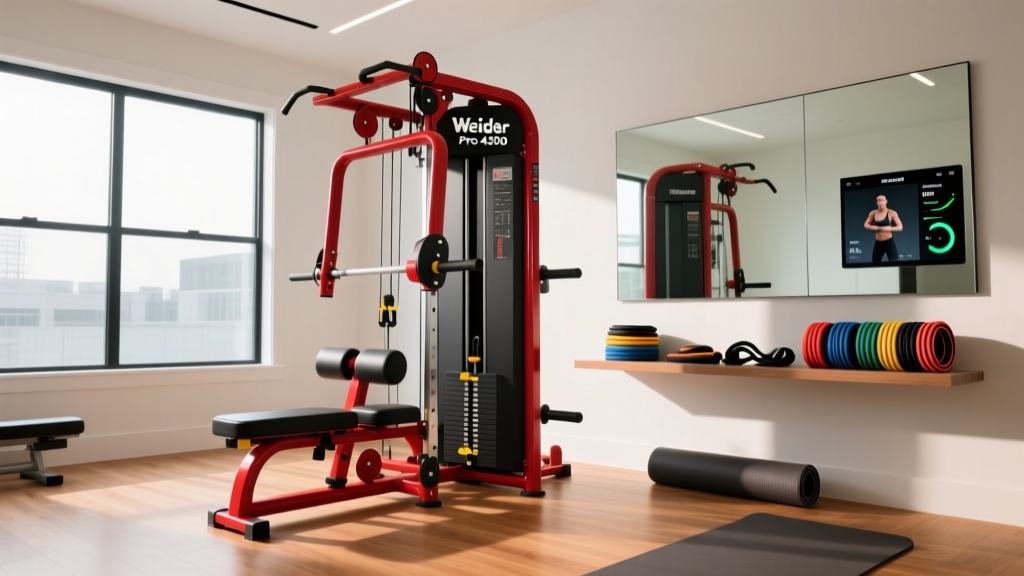
Remodeling Around a Home Gym Weider Pro 4300: Budget & Value

Weight Selection Guide for a Nice Home Gym Layout
