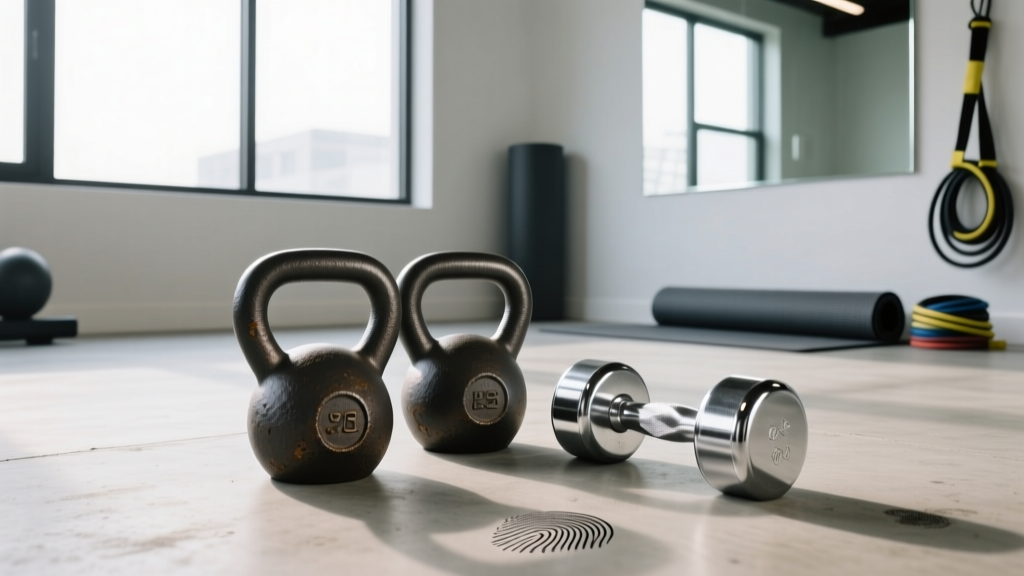
Biceps and Triceps Workouts with Dumbbells: 2026 Urethane vs Rubber Hex Trends
Analyze 2026 market trends comparing urethane and rubber hex dumbbells. Discover which material dominates biceps and triceps workouts with dumbbells today.

The 2026 Dumbbell Market Shift: Urethane's Rise Over Rubber
The fitness equipment market has undergone a significant transformation by 2026, particularly in the free weights sector. According to recent data from Grand View Research, the demand for premium, low-maintenance gym equipment has surged, driven by the proliferation of high-end home gyms and boutique fitness studios. At the center of this shift is the ongoing debate between rubber hex dumbbells and urethane dumbbells. While rubber hex bells have long been the budget-friendly staple of commercial facilities, urethane has rapidly captured the premium tier, fundamentally changing how lifters approach isolation training.
For athletes and coaches designing targeted biceps and triceps workouts with dumbbells, the choice of coating is no longer just about floor protection—it is a matter of biomechanics, grip integrity, and long-term equipment reliability. This market analysis breaks down the material science, cost-benefit ratios, and practical applications of both dumbbell types in the current fitness landscape.
2026 Market Insight: The Premiumization of Home Gyms
In 2026, urethane dumbbells command approximately 68% of the premium commercial and luxury home gym market. The primary driver? The elimination of volatile organic compound (VOC) off-gassing and a 300% increase in lifespan compared to traditional recycled rubber. Lifters are increasingly willing to pay a premium for odorless, precision-calibrated equipment that supports high-volume arm training without degrading.
Material Science: Why Coating Matters for Arm Isolation
When executing biceps and triceps workouts with dumbbells, the limiting factor in your set should be muscular fatigue in the target arm, not grip failure or equipment degradation. The coating material directly influences the handle design, knurling depth, and overall balance of the dumbbell.
The Grip Fatigue Factor in Tricep Extensions
Consider the overhead dumbbell tricep extension or the classic dumbbell kickback. These movements require a secure, locked-in grip to stabilize the weight through a long range of motion. Rubber hex dumbbells, particularly those in the sub-$2.00/lb category, often feature thinner handles (typically 30mm-32mm) with shallow or non-existent knurling that wears smooth after 18 months of heavy use. Furthermore, the rubber coating can sometimes creep up the handle, creating a slick, unpredictable grip surface when exposed to sweat.
Conversely, modern urethane dumbbells—such as those offered in the Rogue Fitness Urethane Lineup—are molded with strict tolerances that keep the coating entirely clear of the handle. This allows manufacturers to implement aggressive, 1.5mm deep knurling on 35mm chrome or Cerakote-finished handles. The result is a secure grip that allows you to push your triceps to absolute failure without the dumbbell slipping from your palms.
Rubber Hex Dumbbells: The Budget Baseline and Its Failure Modes
Rubber hex dumbbells remain the most ubiquitous free weight in the world, heavily favored by budget-conscious buyers and large commercial chains. Brands like CAP Barbell dominate this space, offering sets that allow beginners to start their biceps and triceps workouts with dumbbells at a very low entry price.
Real-World Failure Modes of Rubber Hex
Despite their popularity, rubber hex dumbbells exhibit several well-documented failure modes that have accelerated the market's pivot toward urethane:
- Dry Rot and Cracking: In non-climate-controlled environments (like garage gyms), the recycled rubber compound dries out, leading to micro-fissures. By year three, the edges begin to flake, leaving black residue on your hands and flooring.
- Weight Tolerance Discrepancies: Budget rubber hex bells often carry a weight variance of ±5%. A 25 lb dumbbell might actually weigh 23.5 lbs. For smaller muscle groups like the triceps, where 2.5 lb progressive overload jumps are critical, this variance ruins programmatic consistency.
- The 'Virgin Rubber' Odor: Cheaper manufacturing processes trap sulfur and VOCs in the rubber. In 2026, consumers are highly sensitive to indoor air quality, making the months-long off-gassing process of cheap rubber hex bells a major deterrent.
- Rolling Hazards: While the 'hex' shape is designed to prevent rolling, the thick rubber coating often creates rounded edges over time, causing the bells to roll on slightly uneven surfaces mid-set.
Urethane Dumbbells: The Premium Standard for High-Volume Curls
Urethane (polyurethane) is a synthetic elastomer that bridges the gap between hard plastic and rubber. It is virtually odorless, highly resistant to UV degradation, and impervious to the acidic corrosive effects of human sweat. For serious lifters, Rep Fitness and other top-tier brands have standardized urethane as the go-to material for serious arm development.
Biomechanics and Ergonomic Handles
The 2026 urethane market has seen a massive trend toward ergonomic, angled handles (often set at a 10-degree angle). When performing heavy hammer curls or cross-body bicep curls, a straight handle forces the wrist into slight ulnar deviation, which can lead to joint strain over time. The ergonomic handles found on premium urethane bells align the wrist naturally with the forearm, allowing for heavier loads and stricter isolation of the brachialis and biceps brachii.
Cost-Benefit Matrix: Commercial vs. Home Gym ROI
To understand the market dynamics, we must look at the raw numbers. Below is a comparative analysis of rubber hex vs. urethane dumbbells based on 2026 average market pricing and lifecycle metrics.
| Metric | Rubber Hex Dumbbells | Urethane Dumbbells |
|---|---|---|
| Average Cost per Pound | $1.60 - $2.20 / lb | $3.80 - $5.50 / lb |
| Weight Tolerance | ±3% to ±5% | ±1% or better |
| Expected Lifespan | 3 - 5 Years (Heavy Use) | 10 - 15+ Years |
| Odor / Off-Gassing | High (Weeks to Months) | None / Negligible |
| Handle Knurling Quality | Shallow, prone to wearing smooth | Deep, aggressive, durable |
| UV & Sweat Resistance | Low (Degrades and flakes) | Exceptional |
'The initial sticker shock of urethane deters many home gym owners, but when you amortize the cost over a 15-year lifespan, the price-per-year actually undercuts buying two separate sets of rubber hex bells that eventually crack and need replacing.' — 2026 FitGearPulse Equipment Longevity Report
Optimizing Biceps and Triceps Workouts with Dumbbells
Understanding the equipment is only half the battle; applying it to your training split is where the real value lies. Because the biceps and triceps are relatively small muscle groups compared to the glutes or lats, they require precise load management.
The Case for Micro-Loading in Arm Training
One of the most significant market trends in 2026 is the demand for 'fractional' or 'micro' dumbbell sets (e.g., 12.5 lbs, 17.5 lbs, 22.5 lbs). Urethane manufacturers have leaned heavily into this, offering full sets in 2.5 lb increments. Rubber hex manufacturers typically only offer 5 lb jumps (10, 15, 20, 25) to keep manufacturing and shipping costs down.
When performing strict tricep kickbacks or concentration curls, the strength curve is incredibly steep. The jump from a 20 lb to a 25 lb dumbbell represents a 25% increase in load—a massive leap that often forces the lifter to compromise form, introducing momentum and taking the tension off the target muscle. Investing in urethane bells with 2.5 lb increments allows for seamless progressive overload, ensuring continuous hypertrophy without joint strain.
Drop Sets and Coating Durability
High-intensity techniques like mechanical drop sets are staples of effective arm routines. This involves performing a set of heavy bicep curls to failure, immediately dropping the bells to the floor, and picking up a lighter pair to continue the set. The repeated impact of dropping dumbbells mid-set will rapidly degrade the edges of cheap rubber hex bells, causing them to become misshapen and unbalanced. Urethane's high-durometer outer shell absorbs and disperses impact energy, maintaining its structural integrity and geometric shape even after thousands of drops.
Expert Verdict: Which Should You Buy in 2026?
The market has spoken, and the segmentation is clear. If you are outfitting a high-traffic commercial facility on a strict budget, or if you are a beginner just testing the waters with basic biceps and triceps workouts with dumbbells, rubber hex dumbbells remain a functional, cost-effective entry point. Just be prepared to manage the initial odor and replace them within a few years if kept in a garage environment.
However, if you are a serious home gym owner, a boutique studio operator, or a lifter focused on precise progressive overload for arm hypertrophy, urethane dumbbells are the undisputed champion of the 2026 market. The superior knurling, ergonomic handle options, exact weight tolerances, and lifetime durability make urethane a mandatory investment for those who refuse to let their equipment limit their gains.
More gear to consider
All reviews
Best Neoprene Options for Curling 40 Lb Dumbbells (2026)
2026 Barre Dumbbell Rack Trends & Studio Storage Analysis
Olympic Barbell Knurling & Chest Day Dumbbells Setup

Barbell Collar vs Clamp Setup & Dumbbell Scap Trap Guide
10 Minute Full Body Dumbbell Workout: Neoprene Guide