
Urethane vs Rubber Hex Dumbbell Care: Plus How to Use Wrist Straps
Compare rubber hex vs urethane dumbbell maintenance, lifespan, and cleaning. Plus, learn how to use wrist straps for dumbbells to protect your grip.

The Material Science: Rubber Hex vs. Urethane
As we navigate the 2026 fitness equipment market, the debate between rubber hex and urethane dumbbells remains a cornerstone of home and commercial gym procurement. Both materials serve the fundamental purpose of protecting your flooring and reducing noise, but their chemical compositions dictate vastly different maintenance protocols, lifespans, and failure modes. Understanding these differences is critical for maximizing your investment.
| Feature | Rubber Hex (e.g., CAP SD-150) | Urethane (e.g., Rep UR-5000) |
|---|---|---|
| Price per lb (2026 Avg) | $1.50 - $2.20 | $2.80 - $4.50 |
| Shore A Durometer | 75A - 85A (Softer) | 85A - 95A (Harder) |
| UV & Ozone Resistance | Low (Prone to chalking/cracking) | High (Impervious to sunlight) |
| Sweat Acid Reactivity | High (Degrades over time) | Negligible (Chemically inert) |
| Expected Lifespan | 5 - 8 Years | 15 - 20+ Years |
Rubber Hex Maintenance: Preventing Dry Rot and Rust
Rubber hex dumbbells are manufactured using a vulcanization process that binds natural and synthetic rubber compounds. While cost-effective, this material is highly susceptible to environmental degradation. The primary enemy of rubber is UV radiation and the lactic acid and urea present in human sweat, which has a pH ranging from 4.5 to 7.0.
Cleaning Protocols
Never use bleach, ammonia, or harsh degreasers on rubber hex dumbbells. These chemicals strip the protective waxes embedded in the rubber, accelerating dry rot. According to guidelines referenced by the National Strength and Conditioning Association (NSCA), maintaining a neutral pH environment for gym equipment is paramount. Instead, use a 10:1 dilution of Simple Green All-Purpose Cleaner and water. Wipe the rubber heads with a microfiber cloth, ensuring no liquid pools in the seams where the rubber meets the steel core.
Handle Corrosion and 'Pancaking'
Most rubber hex dumbbells feature chrome-plated steel handles. If the knurling traps dead skin cells and sweat salts, it will rapidly oxidize, leading to pitting corrosion. Use a stiff nylon brush (not brass or steel, which can damage the chrome) weekly to scrub the knurling. Furthermore, rubber hex dumbbells left resting on their sides on hard surfaces for months can develop 'pancaking'—a permanent flat spot caused by the rubber taking a compression set. Always store them on a tiered rack.
⚠️ WARNING: If your rubber dumbbells develop a white, chalky residue, this is 'blooming'—a sign that UV exposure and ozone are breaking down the polymer chains. While you can temporarily mask this with a silicone-based protectant like 303 Aerospace, the structural degradation is irreversible.Urethane Care: Protecting the Premium Polymer
Urethane is a thermoset polymer that offers superior density, zero odor, and near-total immunity to sweat acids and UV light. However, its high Shore A hardness (often 90A or above) introduces a different set of maintenance challenges, primarily related to impact brittleness.
Temperature and Drop Tolerances
Urethane becomes increasingly brittle in cold environments. Dropping a 100 lb urethane dumbbell onto bare concrete in a 55°F garage gym can cause the edges to chip or shatter. To protect your investment, always drop urethane dumbbells onto 3/4-inch vulcanized horse stall mats. Cleaning urethane is remarkably simple: a damp microfiber cloth with plain water is usually sufficient. For stubborn chalk marks, a 50/50 mix of distilled white vinegar and water will lift the residue without damaging the polymer surface.
Heavy Pulling: How to Use Wrist Straps for Dumbbells
When executing heavy unilateral movements like dumbbell rows, shrugs, or Romanian deadlifts, grip fatigue often precedes target muscle failure. This is where understanding how to use wrist straps for dumbbells becomes essential for both your training efficacy and your equipment's longevity. Straps transfer the load from your fingers to your wrists, but they also trap sweat and create intense friction against the dumbbell handle.
The ExRx.net kinesiology databases note that grip assist devices can increase latissimus dorsi and trapezius activation by up to 15% during pulling movements by removing the neurological governor of grip failure. Here is the exact step-by-step method to wrap them safely and securely:
- Form the Lasso: Thread the free end of the strap through the stitched loop, pulling it through until it forms a large circle.
- Check the Direction: Slide your hand through the loop. The tail of the strap must point away from your thumb, resting against the bottom of your wrist.
- Position on the Handle: Place the looped strap over the dumbbell handle, ensuring the material sits right at the base of your fingers, not up on your palm.
- Wrap the Tail: Use your thumb and index finger to push the tail of the strap under and around the dumbbell handle, wrapping it toward your thumb. One or two tight wraps are sufficient.
- Ratchet and Squeeze: Squeeze your hand shut and slightly rotate the dumbbell inward. This motion acts as a ratchet, pulling the strap taut against the handle and your wrist.
Post-Strap Handle Maintenance
Because wrist straps tightly bind sweat and friction against the handle, they can accelerate rust on lower-tier chrome handles found on budget rubber hex dumbbells. After a heavy strap-assisted session, it is mandatory to wipe the handles down with a dry towel. Once a month, apply a light coat of a zinc-based protectant, such as T-9 Boeshield or a dedicated knurling oil, to displace moisture and prevent micro-rust from forming under the strap's contact zone. The American Council on Exercise (ACE) consistently emphasizes that proper equipment sanitation post-accessory use extends the lifespan of both the gear and the lifting aids.
Environmental Storage Rules
Regardless of whether you choose rubber hex or urethane, environmental control dictates longevity. Keep your dumbbell rack away from direct sunlight and HVAC vents. Rapid temperature fluctuations cause condensation to form on the steel cores inside the rubber/urethane shells, leading to internal rust that eventually bleeds through the outer material. Invest in a 3-tier A-frame rack with UHMW (Ultra-High Molecular Weight) polyethylene-lined cradles to prevent the dumbbell heads from scraping against bare metal racks during racking and un-racking.
Pro-Tip: Never store dumbbells in a damp basement without a dehumidifier. Maintaining an ambient humidity level below 50% is the single most effective way to prevent handle oxidation and internal core rust, preserving the structural integrity of your free weights for decades.
More gear to consider
All reviews
Best 12 lb Dumbbell Set: Rubber Hex vs Urethane (2026)

Are Dumbbell Flyes Good? Protecting Gear With Proper Rack Storage
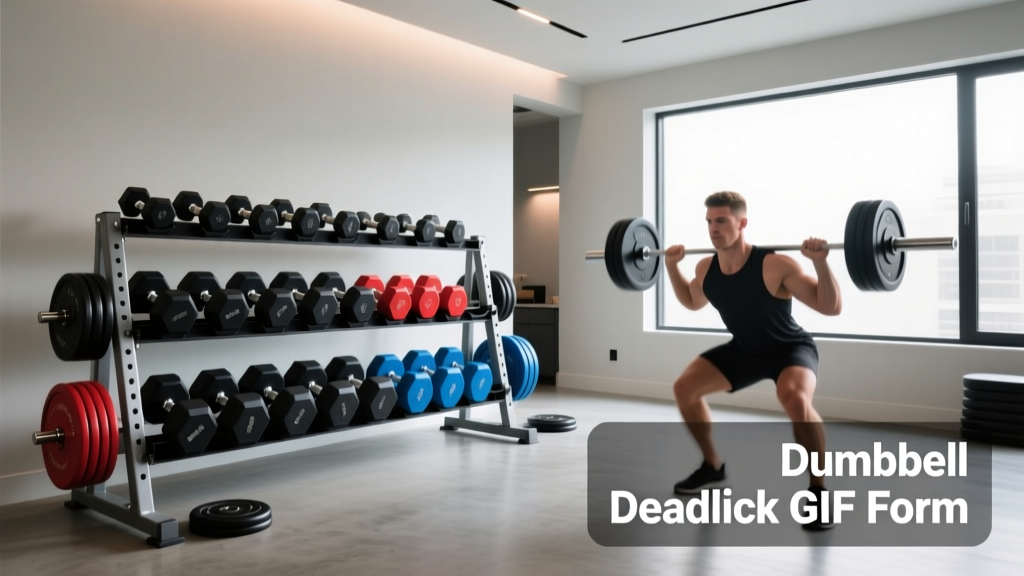
Dumbbell Rack Layouts: Space Design & Dumbbell Deadlift GIF Form

Dumbbell Rack Storage & Dumbbell Bench to Barbell Bench Conversion

Rubber Hex vs Urethane: Budgeting Your Arm Workout With Dumbbells
