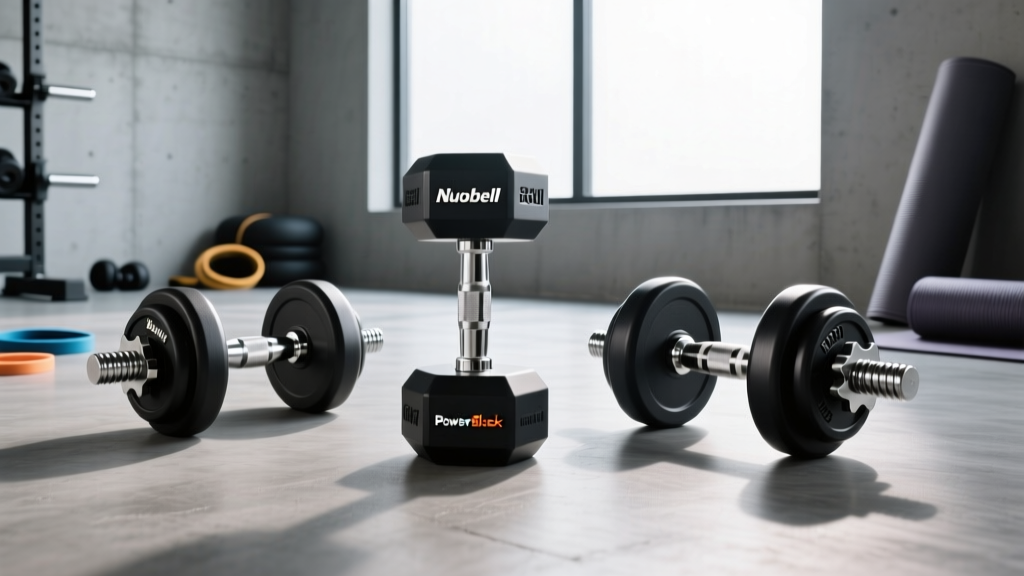
2026 Trends: Urethane vs Rubber Hex for Basic Exercises with Dumbbells
Analyze 2026 market trends comparing urethane and rubber hex dumbbells. Discover which material optimizes basic exercises with dumbbells for your gym.

The 2026 Commercial & Home Gym Material Shift
As the fitness equipment market stabilizes in 2026, a distinct bifurcation has emerged in the free weights sector. While supply chain bottlenecks of the early 2020s have long since resolved, facility owners and serious home gym builders are now making highly calculated decisions regarding dumbbell materials. The debate between traditional vulcanized rubber hex dumbbells and premium cast urethane dumbbells is no longer just about aesthetics; it is a data-driven analysis of lifecycle costs, biomechanical stability, and environmental health. According to recent industry analyses tracked by IHRSA Publications, commercial facilities are increasingly migrating toward urethane for high-traffic zones, while rubber hex remains the undisputed volume leader in budget-conscious and garage gym setups.
2026 Market Insight: Urethane dumbbell market share in boutique commercial gyms has grown by 34% since 2023, driven by consumer demand for odor-free environments and higher drop-test durability. Rubber hex retains a 68% share in the residential home gym market due to aggressive pricing.Polymer Science: Vulcanized Rubber vs. Cast Urethane
To understand how these materials perform, we must look at their chemical composition and manufacturing processes. Rubber hex dumbbells are typically manufactured by compressing recycled rubber crumb or virgin vulcanized rubber into a steel mold around a central steel insert. The resulting product usually registers between 70A and 80A on the Shore A durometer scale, giving it a slightly softer, more pliable feel.
Urethane (polyurethane), conversely, is a premium elastomer. It is poured as a liquid polymer into precision molds and cures to form a molecular bond with the steel core. Urethane dumbbells are significantly denser, typically rating between 85A and 95A on the Shore A scale. This higher density translates to a thinner profile for heavier weights and vastly superior resistance to abrasion, UV degradation, and chemical cleaners.
Manufacturing & Failure Modes
When evaluating equipment for heavy daily use, understanding exact failure modes is critical for procurement officers and gym owners:
- Rubber Hex Edge Chunking: The most common failure point for rubber hex dumbbells is the outer hexagonal edge. After approximately 800 to 1,200 drops from a height of 4 feet onto standard 3/8-inch rubber stall mats, the vulcanized rubber begins to dry-rot and chunk away from the inner steel ring.
- Urethane Delamination: While urethane itself is nearly indestructible in a gym environment, cheap import models often fail at the core bond. If the manufacturer skips the chemical primer layer before casting the urethane to the steel core, the entire head can slide off the handle during a heavy swing or drop.
- Handle Weld Fatigue: In both materials, the ultimate point of catastrophic failure is often the friction weld connecting the steel handle to the weight head. Premium 2026 models from top-tier brands now utilize solid-cast heads with threaded and bolted handles to eliminate this risk entirely.
Equipment Impact on Basic Exercises with Dumbbells
When coaches and athletes program basic exercises with dumbbells, the physical properties of the equipment directly impact performance, safety, and user experience. The material dictates the center of gravity, the friction coefficient against the floor, and even the air quality in the immediate vicinity of the user's face.
1. The Renegade Row & Plank Pulls
The renegade row requires a stable base to prevent rotational torque on the lumbar spine. As noted in the ACE Fitness Exercise Library, maintaining a rigid plank while pulling an offset load demands equipment that will not slip or roll. The hexagonal shape of both rubber and urethane dumbbells prevents rolling. However, rubber hex dumbbells possess a higher friction coefficient against standard gym flooring. While this prevents slipping, it can cause the rubber to 'grab' the floor mat during the initial pull, creating a jarring micro-stutter in the movement path. Urethane offers a slightly smoother, more predictable glide against rubber mats before biting into the floor, allowing for a cleaner concentric pull.
2. Goblet Squats & Front Rack Holds
During goblet squats, the dumbbell is held directly beneath the user's chin and nasal cavity. This is where the material choice drastically alters the user experience. Vulcanized rubber, particularly in lower-tier models, is notorious for off-gassing Volatile Organic Compounds (VOCs). In a poorly ventilated home gym, holding a 50lb rubber hex dumbbell to your chest for a set of 15 reps means inhaling the distinct 'burnt tire' odor of degrading sulfur compounds. Urethane is completely inert and odorless once cured, making it the mandatory choice for high-end commercial facilities and residential spaces where air quality is a priority.
"The proximity of the load to the respiratory system during front-racked basic exercises with dumbbells makes VOC off-gassing a critical, yet often overlooked, factor in equipment procurement. Urethane eliminates this variable entirely." — 2026 Facility Design Standards Report
3. Heavy Floor Presses & Drop Testing
The dumbbell floor press is a staple for tricep and chest hypertrophy, often culminating in a controlled drop to the floor at the end of a set. The National Strength and Conditioning Association (NSCA) emphasizes the importance of equipment integrity during repetitive impact loading. Rubber hex dumbbells absorb shock well but suffer from 'bounce-back,' which can cause the dumbbells to ricochet off hard flooring and strike the user's wrists or elbows. Urethane's higher density and tighter molecular structure result in a 'dead drop' with minimal kinetic rebound, vastly improving safety parameters during heavy, high-fatigue floor presses.
2026 Procurement Matrix: Cost vs. Lifecycle
For facility managers and home gym owners, the initial price tag is only one metric. The true cost of ownership must factor in replacement rates and maintenance. Below is the 2026 market baseline for a standard 5-50lb commercial set.
| Feature | Rubber Hex (Commercial Grade) | Premium Cast Urethane |
|---|---|---|
| Average Cost per Pound | $1.45 - $1.85 | $3.80 - $5.20 |
| Shore A Hardness | 75A - 80A (Softer) | 85A - 95A (Denser) |
| VOC Off-Gassing | Moderate to High (Requires airing out) | None (Inert) |
| Drop-Test Survival (5ft) | ~1,000 reps before edge chunking | 5,000+ reps (Core bond dependent) |
| UV & Ozone Resistance | Low (Degrades in sunlight) | High (Resists environmental decay) |
| Standard Warranty | 1 Year Commercial / 5 Year Home | Lifetime Commercial (Pro Brands) |
The Facility Buyer’s Decision Framework
Choosing between rubber hex and urethane requires aligning the material properties with your specific operational environment. Use this step-by-step framework to finalize your 2026 procurement strategy:
- Assess Ventilation and Space: If your facility is a boutique studio, a corporate fitness center, or a basement home gym with limited HVAC turnover, urethane is non-negotiable. The elimination of rubber odors will drastically improve client retention and daily comfort during close-proximity movements.
- Evaluate Flooring Types: If your gym utilizes high-density EVA foam tiles or delicate hardwood (common in boutique functional fitness studios), the softer 75A rubber hex will cause less cosmetic damage to the flooring upon impact compared to the rock-hard 90A urethane.
- Calculate the 5-Year ROI: For high-traffic commercial gyms where dumbbells are dropped from chest height during CrossFit-style metcons, rubber hex sets will require a 30% replacement rate by year three due to edge chunking and handle loosening. Urethane sets, despite a 250% higher initial capital expenditure, routinely achieve a zero-percent replacement rate over a 5-year lifecycle, yielding a lower total cost of ownership.
- Verify the Core Bond: If opting for urethane, demand documentation from the manufacturer regarding their core-bonding process. Ensure the steel heads are sandblasted and chemically primed before the polyurethane is cast. Uncertified imports will delaminate within months of heavy use.
Ultimately, the evolution of free weight manufacturing in 2026 proves that while rubber hex dumbbells will always hold a vital place in budget-friendly and garage gym setups, urethane has cemented itself as the gold standard for performance, longevity, and environmental safety in professional training environments.
More gear to consider
All reviews
Rubber Hex vs Urethane: Best for Brachioradialis Dumbbell Exercises

Leg Exercises With Dumbbells At Home: Neoprene Mistakes & Fixes
Cast Iron vs Competition Kettlebells & Neck Hump Dumbbell Exercises

EZ vs Straight Bar: Compact Layouts & Weighted Dips Dumbbell

Care Guide: Loadable Dumbbells for Chest Development & Pressing