
Upper Body Workout With Dumbbells: Neoprene Mistakes to Avoid
Master your upper body workout with dumbbells by avoiding common neoprene weight mistakes. Troubleshoot grip, wear, and form issues for your home gym.

Neoprene-coated dumbbells are a staple in millions of home gyms. Brands like Yes4All, CAP Barbell, and Amazon Basics dominate this space, offering vibrant, floor-friendly weights at an accessible price point of roughly $1.50 to $2.00 per pound. However, when executing a rigorous upper body workout with dumbbells, the unique material properties of neoprene (polychloroprene) introduce specific biomechanical and maintenance challenges that lifters frequently overlook.
Unlike bare knurled steel or high-density urethane, neoprene is a dipped synthetic rubber that behaves differently under stress, sweat, and environmental exposure. Below, we break down the most common mistakes lifters make when using neoprene dumbbells for upper body training and provide expert troubleshooting protocols to protect your joints, your equipment, and your gains.
The Grip Slip Phenomenon During Upper Body Workouts
The most immediate failure point during an upper body workout with dumbbells—specifically during high-rep movements like dumbbell chest flyes, lateral raises, or skull crushers—is grip degradation. Neoprene is inherently smooth. While it provides adequate friction when dry, its coefficient of friction plummets when introduced to moisture.
The Mistake: Relying on Bare Hands During High-Volume Sets
When your palms sweat, neoprene becomes dangerously slick. Lifters often compensate for this slipping by over-gripping the handle, which prematurely fatigues the forearm flexors before the target muscle (e.g., the pectoralis major or medial deltoid) reaches true mechanical failure. Furthermore, a slipping dumbbell during an overhead triceps extension poses a severe safety hazard.
The Troubleshooting Protocol
- Avoid Chalk: Magnesium carbonate chalk embeds itself into the microscopic pores of the neoprene coating, permanently ruining the finish and creating a messy, crumbling residue.
- Use Silicone or Leather Grips: Invest in reusable silicone grip pads or weightlifting gloves with tacky palm surfaces to bridge the friction gap between your sweat and the polychloroprene coating.
- The Microfiber Wipe: Keep a dry microfiber towel on your bench. Wipe the dumbbell handle and your palms between every single working set to restore baseline friction.
The Fixed-Weight Progression Trap and Joint Strain
Neoprene dumbbells for home use are almost exclusively sold in fixed-weight pairs, typically scaling in 5-pound increments (e.g., 10 lbs, 15 lbs, 20 lbs). While this is fine for lower body work, it creates a massive troubleshooting hurdle for upper body isolation exercises.
Biomechanical Warning: Jumping from a 10 lb to a 15 lb dumbbell for lateral raises represents a 50% increase in total load. The medial deltoid is a small muscle group; a 50% jump forces the upper trapezius and levator scapulae to take over the movement, leading to poor isolation and potential rotator cuff impingement over time.How to Troubleshoot the '5lb Jump' Without Buying New Gear
If your 10 lb neoprene dumbbells feel too light for lateral raises, but the 15 lb pair causes form breakdown, do not force the heavier weight. Instead, manipulate the time under tension (TUT).
- Implement a 4-1-2-1 Tempo: Use the 10 lb dumbbells. Take 4 seconds to lower the weight (eccentric), pause for 1 second at the bottom, take 2 seconds to raise it (concentric), and hold for 1 second at the top.
- Mechanical Drop Sets: Perform lateral raises with the 15 lb dumbbells to failure, then immediately transition into upright rows, and finally shrugs. This allows you to use the heavier weight safely by shifting the mechanical advantage to stronger muscle groups as fatigue sets in.
Chemical Degradation: The Silent Equipment Killer
According to polymer science data regarding chloroprene rubber, neoprene is highly susceptible to environmental degradation. Many home gym owners unknowingly destroy their equipment through improper storage and cleaning.
The Mistake: UV Exposure and Harsh Solvents
Storing your dumbbell rack in a sunroom or a garage with large, un-tinted windows exposes the neoprene to ultraviolet (UV) light. UV radiation breaks down the chemical bonds in the polychloroprene, causing the coating to become brittle, fade, and eventually flake off. Once the coating chips, the cast iron core is exposed to ambient humidity, leading to irreversible rust.
Additionally, wiping down your dumbbells with alcohol-based sanitizers or bleach solutions strips the synthetic oils from the neoprene, accelerating the drying and cracking process.
The Maintenance Fix
- Climate Control: Store neoprene weights in a cool, dry, interior room away from direct sunlight and ozone-generating appliances (like certain air purifiers or laser printers).
- Proper Cleaning: Mix a few drops of pH-neutral dish soap with warm water. Dampen a soft cloth, wipe the dumbbells down post-workout, and immediately dry them with a separate towel. Never spray liquid directly onto the weight.
Material Comparison: Is Neoprene Right for Your Upper Body Routine?
If you are continually troubleshooting your gear, it may be time to evaluate if neoprene is actually the correct tool for your specific training style. Compare your current setup against other common home gym materials.
| Feature | Neoprene (Dipped) | Rubber (Molded) | Urethane (Premium) |
|---|---|---|---|
| Grip When Sweaty | Poor (Becomes slick) | Moderate | Excellent (Textured) |
| Durability / Lifespan | 2-4 Years (Prone to peeling) | 5-8 Years | 10+ Years (Virtually indestructible) |
| Odor Off-Gassing | None to Very Low | High (Initial weeks) | None |
| Average Cost Per Pound | $1.50 - $2.00 | $2.00 - $3.00 | $4.50 - $7.00 |
| Best Application | Light rehab, casual fitness | General home gyms | Heavy commercial / serious lifters |
Step-by-Step Troubleshooting Flowchart
Use this quick diagnostic guide the next time your upper body workout with dumbbells feels 'off' or your equipment shows signs of wear.
Issue: The dumbbell feels like it is slipping during overhead presses.
Diagnosis: Sebum (skin oils) and sweat have created a film on the neoprene.
Action: Wash the handle with dish soap and warm water. Dry thoroughly. Switch to lifting straps or silicone grips for pressing movements.
Issue: Small black flakes are appearing on your gym floor.
Diagnosis: UV or ozone degradation has caused the polychloroprene coating to delaminate from the cast iron core.
Action: Move the rack away from windows and electronic ozone generators. If the iron is exposed, apply a thin coat of rust-inhibiting clear enamel paint to the exposed spots to prevent structural oxidation.
Issue: Shoulder pain during lateral raises, but only with the heavier neoprene pair.
Diagnosis: The 5lb fixed-weight jump has exceeded the load-bearing capacity of your medial deltoid, causing compensatory trap engagement.
Action: Drop back to the lighter weight. Implement eccentric-focused tempo training (4-second negatives) to increase stimulus without increasing absolute load.
Final Thoughts on Home Gym Optimization
Neoprene-coated dumbbells remain one of the most cost-effective entry points for building a home gym. However, treating them with the same assumptions you would apply to raw steel or premium urethane will lead to frustration, stalled progress, and damaged equipment. By understanding the material limitations of chloroprene rubber, managing your progressive overload intelligently, and maintaining a strict cleaning protocol, you can ensure your upper body workouts remain safe, effective, and highly productive for years to come. For more comprehensive guidance on structuring your home gym routines, consult the educational resources provided by the American Council on Exercise (ACE) to ensure your programming aligns with current biomechanical standards.
More gear to consider
All reviews
Best Adjustable Dumbbells for Barbell and Dumbbell Curls (2026)

Rack Troubleshooting: Dumbbell Low Row & Power Rack vs Squat Stand

Home Gym Setup: Barbell Clamps & Lateral Raise Machine vs Dumbbell
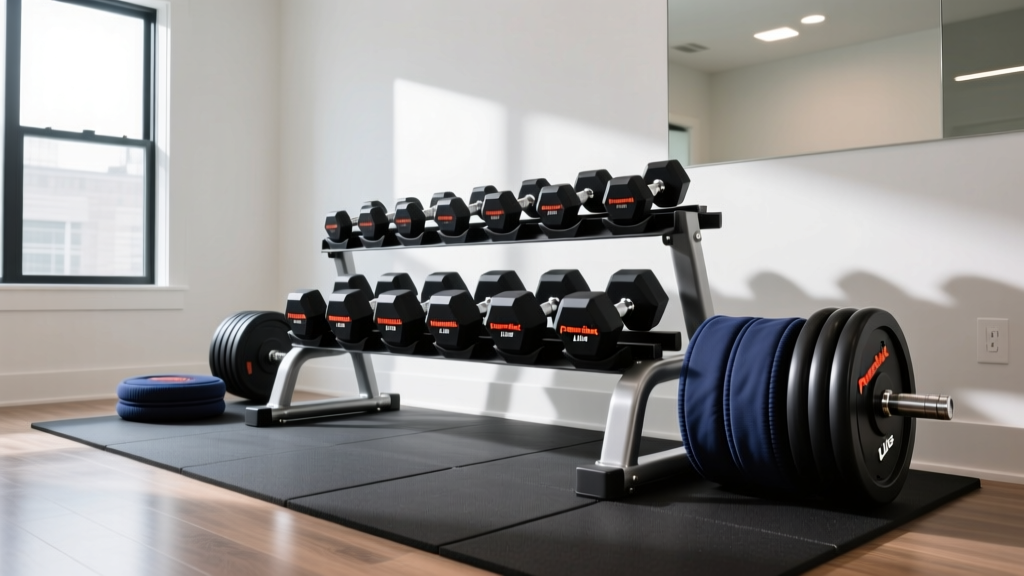
PowerBlock Elite Dumbbells and Neoprene Home Setup
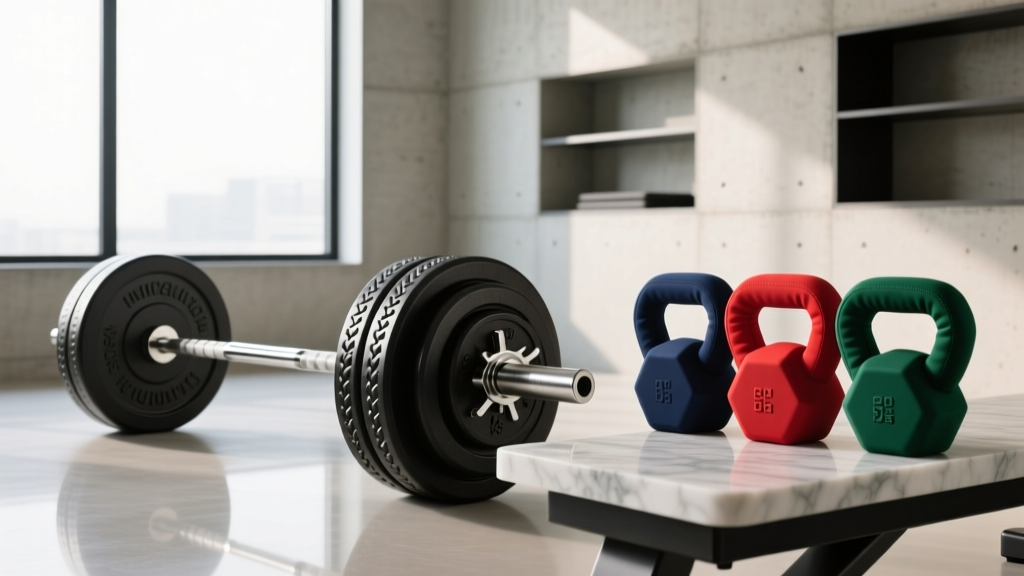
Olympic Barbell Knurling & Weight vs. Dumbbell Covers: 2026 Guide
