
Ultimate Full Body Dumbbell Workout: Beginner Neoprene Guide
Master the ultimate full body dumbbell workout at home. Our step-by-step beginner guide uses neoprene dumbbells for safe, effective strength training.

Building a home gym in 2026 does not require a massive financial investment or a dedicated spare room. For beginners, the most efficient path to building functional strength, improving bone density, and enhancing cardiovascular health lies in mastering the ultimate full body dumbbell workout. However, the type of dumbbell you choose drastically impacts your safety, floor integrity, and overall experience. Enter the neoprene-coated dumbbell: the undisputed champion of entry-level home fitness equipment.
According to the Centers for Disease Control and Prevention (CDC), adults should engage in muscle-strengthening activities of moderate or greater intensity that involve all major muscle groups on two or more days a week. Neoprene dumbbells provide the perfect, accessible tool to meet this guideline without the intimidation factor of a commercial weight room. This comprehensive, step-by-step guide will walk you through equipment selection, material science, and a complete full-body routine designed specifically for neoprene weights.
Why Neoprene is the Ideal Beginner Material
Neoprene is a synthetic rubber (polychloroprene) that offers a unique balance of durability, tactile feedback, and floor protection. Unlike bare cast iron, which can rust and chip your hardwood or laminate flooring, neoprene provides a slight cushioning effect. While you should never intentionally drop dumbbells from overhead, a neoprene hex dumbbell can easily survive an accidental slip from waist height without damaging your subfloor.
Furthermore, the hexagonal shape standard on 95% of neoprene dumbbells prevents rolling. When you are performing renegade rows or transitioning between floor presses and squats, a rolling round dumbbell is a tripping hazard. The flat edges of hex neoprene dumbbells keep your workout space organized and safe.
2026 Market Pricing and Value
As of 2026, the market for neoprene dumbbells remains highly competitive. You can expect to pay between $1.50 and $2.30 per pound for high-quality sets from reputable brands like Yes4All, CAP Barbell, and Amazon Basics. A starter pair of 15-pound dumbbells will typically cost around $45 to $55. This is significantly more affordable than urethane-coated options (which average $3.00+ per pound) while offering vastly superior aesthetics and floor protection compared to bare iron or vinyl cement-filled alternatives.
Equipment Matrix: Neoprene vs. Alternatives
Before diving into the workout, it is crucial to understand where neoprene sits in the broader free weights ecosystem. Use this comparison matrix to confirm it is the right choice for your specific home environment.
| Feature | Neoprene Coated | Virgin Urethane | Bare Cast Iron |
|---|---|---|---|
| Cost per Pound | $1.50 - $2.30 | $3.00 - $5.00+ | $1.00 - $1.80 |
| Floor Protection | Excellent (Hex shape) | Superior (High density) | Poor (Will dent wood) |
| Grip Texture | Matte, slightly tacky | Smooth, firm | Knurled steel, abrasive |
| Odor | Mild (fades in 1 week) | None | None |
| Best For | Beginners, Home Gyms | Commercial, Heavy Lifters | Garage Gyms, Powerlifters |
Gear Setup: Selecting Your Starting Weights
The American Heart Association recommends starting with a weight that allows you to complete 8 to 12 repetitions with proper form, where the last two reps feel challenging but doable. Because this is a full-body routine, you will need different weights for different muscle groups. Your lower body and back are significantly stronger than your shoulders and arms.
Recommended Beginner Purchasing Guide
- Light Set (5 to 8 lbs): For lateral raises, triceps extensions, and warm-ups.
- Medium Set (10 to 15 lbs): For overhead presses, bicep curls, and floor presses.
- Heavy Set (20 to 30 lbs): For goblet squats, Romanian deadlifts, and bent-over rows.
Pro Tip: If budget is tight, prioritize the Medium and Heavy sets first. You can modify light-weight exercises by slowing down the tempo to increase time under tension.
The Ultimate Full Body Dumbbell Workout (Step-by-Step)
This routine is designed to be completed in 40 to 45 minutes. Perform this workout two to three times per week, ensuring at least one full rest day between sessions to allow for muscle protein synthesis and central nervous system recovery. The Mayo Clinic emphasizes that consistency and progressive overload are far more critical than spending hours in the gym.
Warm-up: 5 minutes of dynamic stretching (arm circles, bodyweight squats, torso twists).
Rest Periods: 60 to 90 seconds between all working sets.
Phase 1: Lower Body & Hinge
1. Neoprene Goblet Squat
- Sets/Reps: 3 sets of 10-12 reps
- Execution: Hold one heavy dumbbell (20-30 lbs) vertically against your chest, cupping the top neoprene head with both hands. Keep your chest proud, brace your core, and descend until your thighs are parallel to the floor. Drive through your mid-foot to stand.
- Neoprene Advantage: The slightly tacky texture of the neoprene coating prevents the dumbbell from slipping against your shirt or chest during the movement.
2. Dumbbell Romanian Deadlift (RDL)
- Sets/Reps: 3 sets of 10 reps
- Execution: Hold a heavy dumbbell in each hand at arm's length. Hinge at your hips, pushing your glutes backward while maintaining a flat back. Lower the weights until you feel a deep stretch in your hamstrings, then squeeze your glutes to return to the top.
Phase 2: Push & Pull
3. Dumbbell Floor Press
- Sets/Reps: 3 sets of 8-10 reps
- Execution: Lie on your back on the floor with knees bent. Press medium dumbbells (10-15 lbs) upward until your arms are extended. Lower them until your triceps gently touch the floor, pause for one second, and press back up.
- Safety Note: The floor naturally limits your range of motion, protecting beginner shoulder joints from overextension while still heavily targeting the pectorals and triceps.
4. Three-Point Bent-Over Row
- Sets/Reps: 3 sets of 10 reps per arm
- Execution: Place your left hand and left knee on a sturdy bench or sofa. Hold a heavy dumbbell in your right hand. Pull the weight toward your hip pocket, squeezing your latissimus dorsi at the top. Lower with control.
Phase 3: Overhead & Core Stability
5. Seated Overhead Press
- Sets/Reps: 3 sets of 8-10 reps
- Execution: Sit on a chair with back support. Hold medium dumbbells at shoulder height. Press them overhead until they nearly touch, then lower them back to ear level.
6. Farmer's Carry
- Sets/Time: 3 sets of 45 seconds
- Execution: Grab your heaviest dumbbells. Stand tall, pull your shoulders down and back, and walk slowly around your room. Focus on preventing the weights from swinging.
- Benefit: This builds immense grip strength, core stability, and traps development.
Form Cues and the 'Thick Grip' Edge Case
One specific edge case beginners must be aware of when using neoprene dumbbells is the handle diameter. Standard Olympic barbell handles are 28mm to 29mm thick. However, the process of dipping and coating a dumbbell handle in neoprene adds 3mm to 5mm of material to the grip. This results in a thicker handle (often 32mm to 35mm).
While this thicker grip can actually aid in forearm and grip development, it may cause premature grip fatigue during pulling movements like rows or deadlifts, especially for individuals with smaller hands. If you find your hands giving out before your back muscles during the RDL, utilize a hook grip (wrapping your thumb under your fingers) or consider purchasing lifting straps for your heaviest sets. Brands like Yes4All have started contouring their neoprene handles in 2026 to mitigate this exact issue, so look for 'ergonomic grip' in the product description when buying.
Maintenance: Prolonging Your Neoprene Gear
Neoprene is highly durable, but it is not invincible. To ensure your equipment lasts for a decade or more, follow these maintenance rules:
- Avoid UV Exposure: Prolonged exposure to direct sunlight will break down the polychloroprene polymers, causing the coating to become sticky, fade, and eventually peel. Store your dumbbells indoors, away from windows.
- Proper Cleaning: After a sweaty session, wipe the handles down with a damp microfiber cloth. Do not use bleach or harsh chemical degreasers, as these will strip the matte finish and degrade the rubber.
- Concrete Warning: While neoprene protects indoor flooring, dropping it on rough concrete (like a driveway or garage) will tear the coating. If you train outdoors, use a thick rubber horse-stall mat as a landing pad.
Progression: When to Upgrade
The ultimate full body dumbbell workout is designed to scale with you. Once you can comfortably complete 3 sets of 12 reps on all exercises with your heavy set, and your form is flawless, it is time to apply progressive overload. You can do this by purchasing the next weight increment up (e.g., moving from 20 lbs to 25 lbs), or by manipulating the tempo. Slowing the eccentric (lowering) phase of the goblet squat to a 4-second count will drastically increase muscle damage and stimulate new growth without needing to buy heavier weights immediately.
By starting with high-quality neoprene dumbbells and adhering to this structured, science-backed routine, you are setting a foundation for lifelong fitness that is safe, effective, and perfectly tailored to the home environment.
More gear to consider
All reviews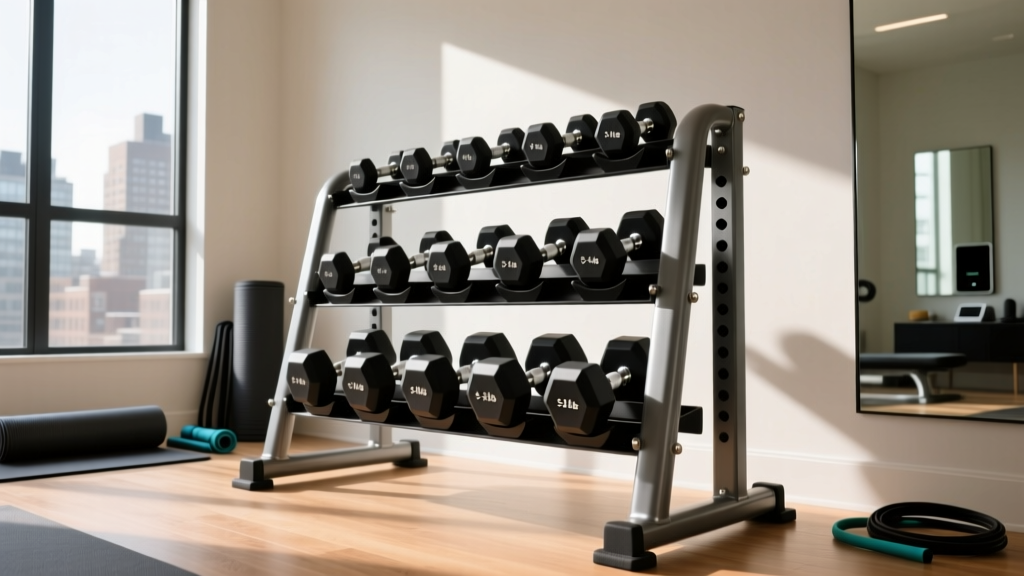
Top Dumbbell Racks 2026: Safe Storage When Using Dumbbells for Abs

Barbell Setup & Knurling: What Do Incline Dumbbell Curls Work?
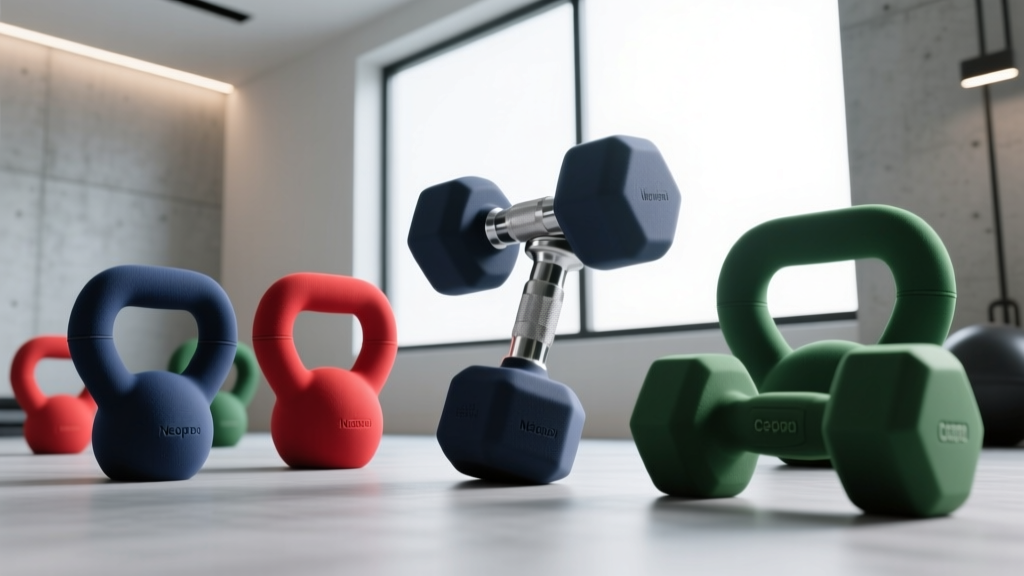
Neoprene Dumbbells Compared: Best for Your Dumbbell Pullover Workout

Rubber Hex vs Urethane: Which is Best for the Dumbbell Pull?

Dumbbell Rack Trends 2026: Storage & Seated Calf Raises with Dumbbells
