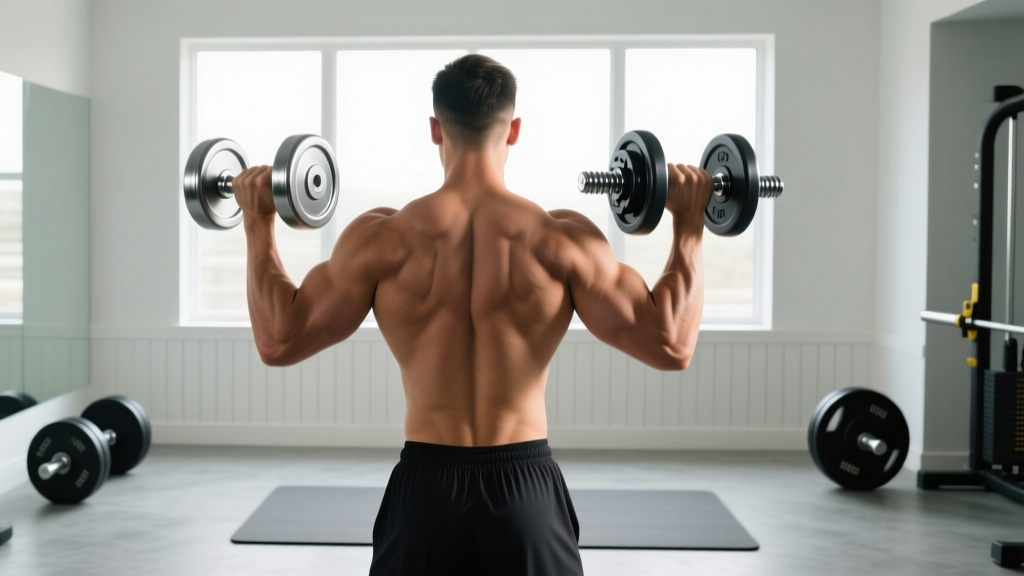
Two Hand Single Dumbbell Curl: Standard vs Olympic Plate Mistakes
Troubleshoot your two hand single dumbbell curl by avoiding common Olympic vs standard plate mistakes. Learn grip, sleeve, and loading fixes.

The Biomechanical Reality of the Two Hand Single Dumbbell Curl
The two hand single dumbbell curl is a staple overload technique for advanced lifters seeking to push past bicep hypertrophy plateaus. By gripping a single, heavily loaded dumbbell with both hands—either through an interlocked finger grip or a stacked palm placement—lifters can manage eccentric loads that exceed their unilateral concentric capacity. However, as home gym enthusiasts in 2026 increasingly move away from expensive fixed dumbbell sets toward customizable plate-loaded handles, a critical equipment mismatch has emerged: attempting this heavy isolation movement with the wrong combination of dumbbell handles and weight plates.
Whether you are using standard 1-inch hardware or Olympic 2-inch setups, the physics of the two hand single dumbbell curl demand precise equipment tolerances. A handle that is too short limits your maximum load; a grip that is too thick shifts the failure point from the biceps brachii to the brachioradialis; and plates with an overly wide profile will literally collide with your thighs or the floor before you reach full elbow extension. Below, we troubleshoot the most common hardware mistakes lifters make when pairing weight plates with dumbbell handles for this specific exercise.
Standard vs. Olympic Plates: The Hardware Breakdown
Before troubleshooting the movement, we must establish the exact dimensional differences between the two primary plate ecosystems. According to equipment standards outlined by the International Weightlifting Federation, Olympic plates mandate a 50mm (approx. 2-inch) center hole, while standard plates utilize a 25.4mm (1-inch) hole. This seemingly simple difference cascades into handle thickness, sleeve length, and overall weight distribution.
| Feature | Standard Plates & Handles | Olympic Plates & Handles |
|---|---|---|
| Hole Diameter | 1 inch (25.4mm) | 2 inches (50mm) |
| Handle Grip Thickness | 1.0" to 1.15" | 1.25" to 1.5" (Thick Grip) |
| Avg. Sleeve Length (per side) | 6.5 inches | 6.0 to 8.5 inches |
| Max Practical Load (Dumbbell) | 40 - 60 lbs | 100 - 200+ lbs |
| 2026 Avg. Cost (Handle Pair) | $35 - $50 | $140 - $280 |
Mistake #1: Sleeve Length and Plate Profile Collisions
The most frequent point of failure when performing the two hand single dumbbell curl with plate-loaded handles is spatial interference at the bottom of the movement. To achieve a full stretch of the biceps tendon, the dumbbell must travel down to full arm extension. If the plates loaded onto the handle have a large diameter or excessive thickness, they will strike the lifter's thighs or the gym floor, artificially shortening the range of motion and robbing the muscle of the stretch-mediated hypertrophy stimulus.
Troubleshooting the Bottom Position
Standard cast iron plates are relatively narrow in diameter but thick in profile. A standard 25lb cast iron plate is roughly 1.2 inches thick. If you attempt to load 100lbs on a standard 14-inch dumbbell handle (which only has 6.5 inches of sleeve space per side), you will physically run out of metal before you can secure the collar.
Conversely, Olympic bumper plates solve the sleeve-space issue but introduce a diameter problem. A 10lb Olympic bumper plate still shares the same 450mm outer diameter as a 45lb bumper plate. If you use light bumper plates to micro-load your two hand single dumbbell curl, the massive outer circumference will hit your legs at the bottom of the curl.
- The Fix: Use machined steel Olympic plates or thin-profile urethane plates (like those from Ivanko or Rogue). A 10lb machined steel Olympic plate has a diameter of only 6.5 inches, providing ample clearance for full elbow extension.
- The Alternative: If you only own standard plates, you are capped at roughly 50-60lbs per dumbbell. For advanced lifters, this is insufficient for a two-handed overload curl. You must upgrade to an Olympic dumbbell handle to access the necessary sleeve length for heavier, thinner steel plates.
Mistake #2: Grip Thickness and Forearm Pre-Exhaustion
The National Strength and Conditioning Association (NSCA) frequently highlights how grip width and handle diameter alter muscle activation patterns. The two hand single dumbbell curl is designed to isolate the elbow flexors (biceps brachii, brachialis). However, Olympic dumbbell handles inherently feature much thicker grips—typically 1.25 inches to 1.5 inches in diameter—compared to the 1-inch grip of standard handles.
Expert Insight: When the handle diameter exceeds 1.2 inches, grip strength becomes the limiting factor in pulling movements. For the two hand single dumbbell curl, a thick Olympic handle will cause your forearm flexors to fail before your biceps reach true mechanical tension.
Lifters often mistakenly assume that a thicker Olympic handle will build massive forearms while they curl. In reality, it simply ruins the primary stimulus of the exercise. If you are forced to use an Olympic handle due to weight requirements, your grip will inevitably slip as you enter the eccentric (lowering) phase of the curl.
Troubleshooting Grip Failure
- Use Lifting Straps: While purists avoid straps for curls, using figure-8 or lasso straps on an Olympic dumbbell handle during a heavy two hand single dumbbell curl removes the forearm bottleneck, allowing you to overload the biceps eccentrically as intended.
- Chalk and Knurling: Ensure your Olympic handle has aggressive volcano knurling. Smooth, zinc-plated handles will spin in your hands when loaded with 100+ lbs, leading to dangerous drops.
- Staggered Hand Placement: Instead of stacking hands directly on top of one another on the thick grip, stagger your bottom hand slightly onto the inner collar flare to reduce the total grip span required.
Mistake #3: Eccentric Overload and Collar Slippage
The primary benefit of the two hand single dumbbell curl is the ability to cheat the weight up with the hips and shoulders, and then fight a heavy eccentric load on the way down. This violent change in momentum and directional force places immense lateral stress on the dumbbell collars.
⚠️ Safety Warning: Never use standard spring collars for heavy two-handed eccentric curls. The lateral force generated when stopping a 120lb dumbbell at the bottom of the curl can easily compress a spring collar, causing plates to slide outward. This shifts the center of gravity mid-rep, resulting in severe wrist sprains or dropped weights.When using standard 1-inch handles, the threading on spin-lock collars often strips under heavy eccentric loads, and the smooth ends of the sleeves offer zero friction. Olympic handles solve this with either bolt-on end caps or specialized clamp collars (like the OSO Pro or Rogue HG collars) that bite into the 2-inch sleeve. Always use lock-jaw clamp collars rated for at least 150lbs of lateral force when performing heavy cheat curls or two-handed eccentric overloads.
2026 Buyer’s Framework: Building the Perfect Curl Dumbbell
If your training log shows that the two hand single dumbbell curl is a priority movement for your 2026 hypertrophy block, stop compromising with mismatched hardware. Use this decision matrix to build the ultimate plate-loaded curling dumbbell:
- The Handle: Purchase an Olympic dumbbell handle with a 1.15-inch grip diameter and 2-inch sleeves. Brands like Titan Fitness and American Barbell offer "thin-grip" Olympic handles that provide the sleeve capacity of Olympic plates without the forearm fatigue of a 1.5-inch thick grip. Expect to pay around $95 to $130 per handle.
- The Plates: Invest in fractional steel Olympic plates (2.5lb, 5lb, 10lb). Urethane and rubber plates are too thick for dumbbell sleeves and will limit your maximum load. Machined steel allows you to pack 100+ lbs onto an 8-inch sleeve while maintaining a narrow profile that won't hit your thighs during the curl's descent.
- The Collars: Buy aluminum clamp collars with rubberized inner gaskets. They lock instantly, withstand eccentric shock, and add minimal width to the sleeve, preserving precious loading space.
By aligning your plate selection with the biomechanical realities of the two hand single dumbbell curl, you eliminate equipment friction and ensure that your biceps—not your grip, your floor clearance, or your collars—are the true point of failure. For more detailed exercise execution cues and joint-safe mechanics, refer to the American Council on Exercise (ACE) exercise library to perfect your form before adding maximal plate loads.
More gear to consider
All reviews
Cast Iron vs Competition Kettlebells & Single Dumbbell Exercises for Arms

Olympic vs Standard Weight Plates: Gear for Dumbbell Plank Rows

Olympic vs Standard Plates: Dumbbell Front Rack Carry Troubleshooting
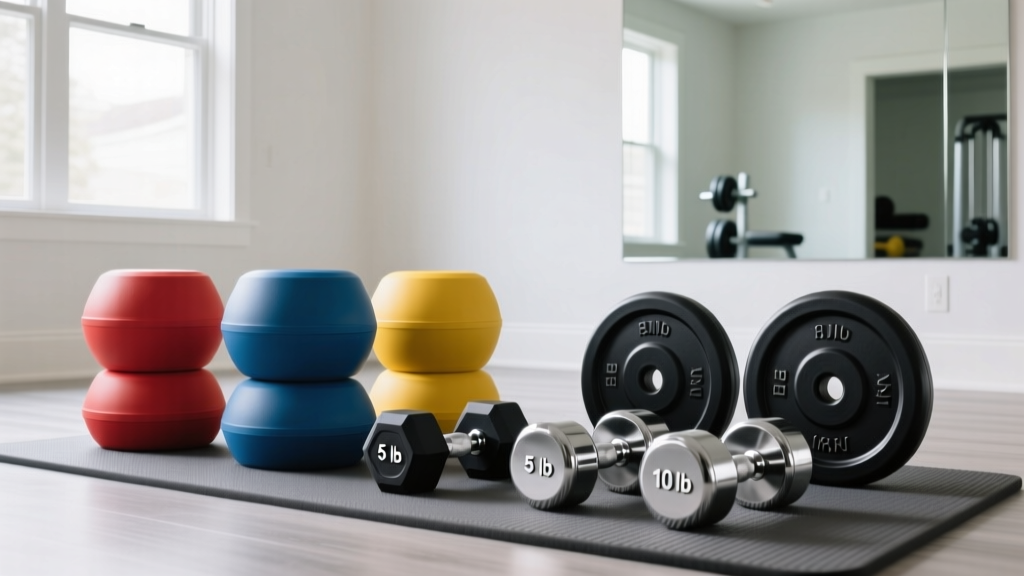
Bumper vs Iron Plates: Setup for Beginner Dumbbell Exercises

Barbell Setup vs Dumbbell Exercises for Hamstrings: Weight Guide
