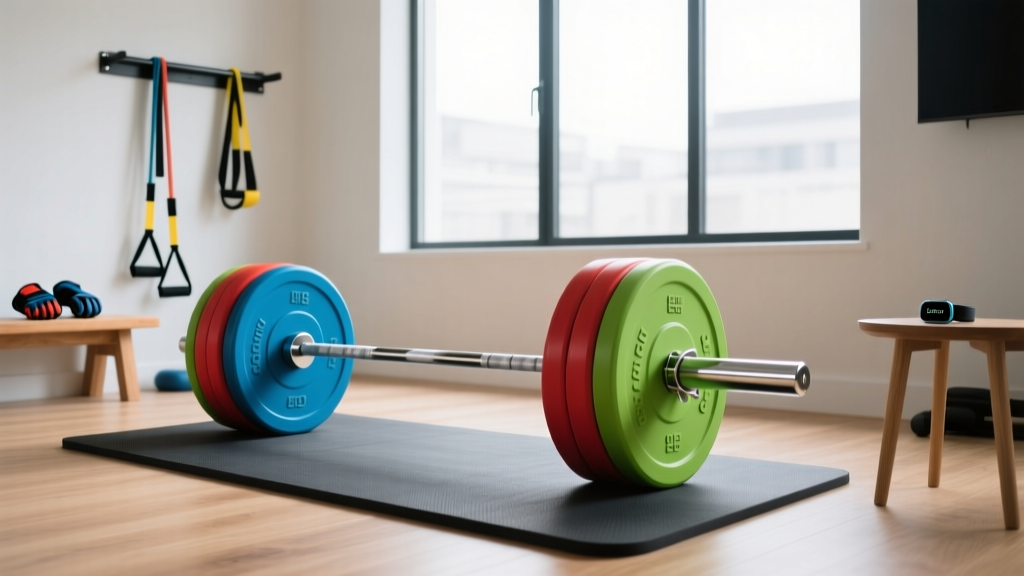
Barbell Collars Compared: Leg Lift Over Dumbbell Safety
Compare barbell collar types and master installation walkthroughs to secure your setup for dynamic drills like the leg lift over dumbbell.

The Hidden Danger in Functional Weight Setups
In modern functional fitness and tactical strength programming, athletes frequently transition between heavy barbell complexes and ground-based agility or core work. A prime example is the leg lift over dumbbell hurdle drill, where a dumbbell—or a lightly loaded bumper plate setup—serves as a low obstacle for hip flexor mobility and core activation. When these dynamic movements are programmed immediately following heavy barbell work, the loaded barbell is often left resting on the platform nearby.
Athletes performing the leg lift over dumbbell or similar lateral floor drills can easily kick, bump, or transmit kinetic vibration through the floorboards to the adjacent barbell. If your barbell collars are improperly installed, degraded, or rely on outdated spring technology, this ambient vibration causes plates to slowly walk outward. A shifted 45lb bumper plate creates a severe asymmetrical load, turning a routine equipment transition into a catastrophic crushing hazard. According to safety guidelines outlined by the National Strength and Conditioning Association (NSCA), routine inspection and proper application of locking mechanisms are non-negotiable for high-traffic training environments.
This guide provides a complete setup and installation walkthrough, comparing the top barbell collar and clamp types on the market in 2026 to ensure your free weight stations remain secure, no matter how chaotic the workout gets.
Anatomy of a Secure Lock: Barbell Collar Types Compared
Not all collars are created equal. The nominal diameter of an Olympic barbell sleeve is 50mm, but manufacturing tolerances mean sleeves can range from 49.8mm to 50.2mm. A collar's ability to accommodate this variance while maintaining clamping force under high-frequency vibration dictates its safety rating.
| Collar Type | Model Example (2026) | Avg Price | Clamping Mechanism | Vibration Resistance | Best Use Case |
|---|---|---|---|---|---|
| Traditional Spring | Titan Fitness Spring Clips | $15 / pair | Tensioned Steel Wire | Low | Light static lifts, home gyms |
| Polymer Clamp | Lock-Jaw Rebel | $30 / pair | Plastic Cam Lever | Medium | WODs, moderate drops |
| Aluminum Clamp | Rogue HG2 | $35 / pair | Aluminum Cam & Steel Pin | High | Olympic lifting, heavy drops |
| Machined Cam | OSO Pro Barbell Collars | $75 / pair | Dual O-Ring & Cam Lever | Maximum | Commercial gyms, extreme vibration |
1. Traditional Spring Clips
Spring clips rely on the natural tension of bent steel wire. While they are lightweight and allow for rapid plate changes during supersets, they offer virtually no lateral clamping force. Under the repetitive ground shocks generated by nearby dynamic movements, spring clips will slowly rattle outward. They are strictly prohibited in competitive weightlifting and highly discouraged for functional circuits.
2. Polymer Clamp Collars
Polymer clamps utilize a plastic body with a cam-lever action to bite down on the sleeve. They are highly affordable and grip well on clean sleeves. However, the plastic teeth can strip over time, and the hinge mechanisms are prone to micro-fractures if dropped repeatedly onto concrete platforms from waist height.
3. Machined Aluminum Clamps (e.g., Rogue HG2)
The Rogue HG2 Aluminum Collars represent the standard for most serious home and affiliate gyms. Weighing just 0.68 lbs per collar, they use a steel pin and aluminum cam lever to generate immense clamping pressure. The inner resin lining protects the barbell's zinc or chrome finish from scratching. Their primary failure mode occurs when gym chalk becomes impacted in the cam hinge, preventing full lever closure.
4. OSO Pro Machined Collars
Engineered by OSO Products, these collars are the gold standard for commercial environments. They feature a patented dual O-ring design and a precision-machined aluminum cam that generates over 300 lbs of lateral clamping force. The O-rings compensate for the 0.2mm variance in barbell sleeve diameters, ensuring a rattle-free grip even during the most violent bumper plate drops.
Step-by-Step Installation Walkthrough for High-Impact Circuits
Proper installation is just as critical as the hardware itself. Follow this walkthrough to secure your barbells before transitioning to floor-based drills like the leg lift over dumbbell.
- Sleeve Preparation: Wipe the barbell sleeve with a microfiber cloth. Even a thin layer of sweat or humidity acts as a lubricant, reducing the friction coefficient between the collar's inner lining and the steel sleeve.
- Plate Seating: Ensure all bumper or iron plates are pushed completely flush against the barbell's inner shoulder. Tap the end of the barbell against the rubber flooring to naturally seat the plates via inertia.
- The 1/4-Inch Gap Rule: Do not push the collar completely flush against the outermost plate. Leave exactly a 1/4-inch gap between the plate and the collar. When you engage the cam lever, the collar will pull itself inward, closing this gap and creating a vice-like compression across the entire plate stack.
- Cam Engagement: For cam-lever collars (like the HG2 or OSO), press the lever down using the heel of your palm, not your fingers, to ensure full mechanical engagement. You should feel a distinct 'snap' as the lever passes the center-axis dead point.
- The Vibration Test: Grip the barbell shaft and aggressively shake it side-to-side. If you hear a metallic rattle, the clamping force is insufficient. Release the lever, adjust the gap, and re-engage.
Safety Warning: The Hurdle Drill Proximity Rule
When programming the leg lift over dumbbell or similar low-hurdle core drills near a loaded barbell, always maintain a minimum 3-foot clearance radius. If space constraints force you to train closer, you must use OSO Pro or HG2 collars and perform a visual check of the lever position between every single set of the floor drill.
Maintenance and Edge-Case Troubleshooting
Even the best clamps fail if maintenance is ignored. Here are the most common edge cases encountered in 2026 gym environments and how to resolve them:
- Chalk Dust Impaction: Liquid and block chalk inevitably find their way into the cam lever hinge. Every 30 days, use compressed air and a nylon bristle brush to clean the hinge mechanism. Apply a single drop of dry PTFE lubricant to the hinge pin to restore smooth lever action.
- O-Ring Degradation: On OSO Pro collars, the rubber O-rings will compress and lose elasticity after 12 to 18 months of heavy commercial use. If the collar spins freely on the sleeve when locked, the O-rings must be replaced. OSO sells replacement kits for under $10.
- Bent Barbell Sleeves: If a barbell has been repeatedly dropped without plates on one side, the sleeve may develop a microscopic bend. Perform a 'spin test' by rotating the bar on the floor. If the sleeve wobbles, no collar will seal perfectly. The barbell must be retired from heavy rotational lifts and relegated to static pressing movements.
'A collar is only as secure as the sleeve it grips. Never attempt to use a cam-lock collar on a heavily rusted or deeply gouged barbell sleeve; the uneven surface will create pressure voids that allow plates to slide during high-vibration floor transitions.' — FitGearPulse Equipment Testing Lab, 2025 Report
Frequently Asked Questions
Can I use spring clips if I'm only doing light floor work?
If your workout consists exclusively of light dumbbell movements and the leg lift over dumbbell drill without any heavy barbell complexes, spring clips on a nearby empty bar are fine. However, if a barbell is loaded with plates over 25lbs, spring clips are never acceptable due to the kinetic vibration transferred through the floor during dynamic movements.
Do I need collars on both sides for a landmine setup?
Yes. Even though a landmine base restricts one end of the barbell, the rotational torque and lateral sway during exercises like landmine squats can cause plates on the loaded end to shift. Always secure the loaded end with a high-tolerance clamp like the Rogue HG2.
Why do my aluminum collars scratch my barbell sleeves?
Scratches usually occur when abrasive gym chalk or metallic dust gets trapped between the collar's inner resin lining and the steel sleeve. Always wipe the sleeve clean before sliding an aluminum collar on or off to preserve your barbell's protective zinc or cerakote finish.
More gear to consider
All reviews
Antique York Dumbbells & Standard vs Olympic Plate Mistakes

Master the Dumbbell Meadows Row: Home Gym Setup & Neoprene Weight Guide
Cast Iron vs Competition Kettlebells vs Back and Biceps Workout Dumbbells
Core Strengthening Exercises with Loadable Dumbbells: 2026 Trends
Dumbbell Wrist Curls Palms Up: Rubber Hex vs Urethane Value