
Trulap Dumbbell Setup: Beginner Guide to Neoprene Home Weights
Master your home gym with our step-by-step Trulap dumbbell guide. Learn how to select, maintain, and train with neoprene-coated weights safely.

Why the Trulap Dumbbell is a Beginner's Best Friend
Starting a home gym journey in 2026 can feel overwhelming, especially when navigating the endless sea of free weight options. If you are looking for a reliable, budget-friendly entry point, the Trulap dumbbell line has emerged as a staple for beginners. Specifically, their neoprene-coated hex dumbbells offer a unique blend of floor-friendly design, ergonomic grip, and durability that outperforms many generic big-box store alternatives.
Neoprene, a synthetic rubber, provides a soft, matte finish that protects your hardwood floors and reduces noise if dropped. Unlike bare cast iron, the Trulap neoprene shell resists rust and requires minimal maintenance. Furthermore, the hexagonal head design prevents the weights from rolling away between sets—a crucial safety feature for home gym environments where space is often limited and tripping hazards are a real concern.
Step 1: Choosing Your Starting Trulap Weights
The most common mistake beginners make is buying weights that are either too heavy to maintain proper form or too light to stimulate muscle adaptation. The Trulap dumbbell series typically ranges from 3 lbs to 50 lbs in 2 lb to 5 lb increments. To build a functional starter kit, you need three distinct weight tiers: light (for isolation and warm-ups), medium (for upper body pressing and rows), and heavy (for lower body movements).
Beginner Weight Selection Matrix
| Exercise Category | Recommended Trulap Weight (Women) | Recommended Trulap Weight (Men) | Target Rep Range |
|---|---|---|---|
| Isolation (Bicep Curls, Lateral Raises) | 5 - 8 lbs | 10 - 15 lbs | 12 - 15 reps |
| Upper Body Compound (Floor Press, Rows) | 10 - 15 lbs | 20 - 30 lbs | 8 - 12 reps |
| Lower Body (Goblet Squats, RDLs) | 15 - 25 lbs | 30 - 45 lbs | 10 - 15 reps |
Step 2: Unboxing and Inspecting for Defects
While Trulap maintains solid quality control for its price point (averaging $1.40 to $1.80 per pound in the current 2026 market), manufacturing anomalies can occur in budget cast-iron core weights. Before starting your first workout, perform this 3-point inspection:
- The Seam Check: Run your thumb along the seam where the neoprene coating meets the chrome or textured steel handle. If you feel sharp casting flash (excess metal), use a fine-grit sandpaper block to smooth it out. Ignoring this will lead to calluses and torn skin during high-rep sets.
- The Odor Test: Neoprene is a petroleum-based product. A mild chemical smell straight out of the box is normal. However, if the off-gassing is eye-watering, leave the dumbbells in a well-ventilated garage for 48 hours. Do not use harsh chemical sprays to mask the smell, as this can degrade the coating.
- The Roll Test: Place the hex dumbbell on a flat, level floor. Give it a gentle tap. While the hex shape is designed to be anti-roll, uneven neoprene dipping can sometimes create a slight wobble. If it rolls more than an inch, contact the retailer for a replacement.
Step 3: Your First 4-Week Neoprene Dumbbell Routine
According to guidelines published by the Mayo Clinic, beginners should focus on full-body routines that target major muscle groups at least twice a week. Using your new Trulap dumbbells, execute the following foundational circuit. Perform this routine 2 to 3 times per week, resting 60 seconds between exercises.
1. The Trulap Goblet Squat (Lower Body & Core)
Hold one heavy Trulap dumbbell vertically against your chest, cupping the top neoprene head with both hands. Keep your elbows tucked in. Hinge at your hips and lower into a squat until your thighs are parallel to the floor. Drive through your heels to stand.
Form Cue: The thick 33mm handle diameter of the Trulap dumbbell can cause grip fatigue. If your hands give out before your legs, switch to holding the dumbbell by the neoprene head itself to extend your set.
2. Dumbbell Floor Press (Chest & Triceps)
Lie on your back on a yoga mat, knees bent, feet flat. Hold a medium Trulap dumbbell in each hand. Press the weights up until your arms are straight, then lower them until your triceps gently touch the floor. The neoprene coating ensures your elbows won't bruise or scratch the floor upon contact.
3. Bent-Over Hex Row (Back & Biceps)
Hinge forward at the hips at a 45-degree angle, keeping your back flat. Let the dumbbells hang. Pull the weights toward your hip pockets, squeezing your shoulder blades together. As highlighted by physical therapists at the Cleveland Clinic, unilateral and bilateral dumbbell rows are essential for counteracting the forward-rounded posture caused by modern desk work.
Step 4: Cleaning and Preserving the Neoprene Shell
Neoprene is highly durable, but it is porous. Sweat, dead skin, and household dust will accumulate in the microscopic texture of the Trulap coating. Improper cleaning is the number one cause of premature neoprene degradation, leading to a sticky, peeling surface.
⚠️ Warning: Avoid Alcohol and BleachNever use Lysol wipes, rubbing alcohol, or bleach-based cleaners on your Trulap dumbbells. Alcohol strips the natural moisture from the neoprene, causing it to dry out, crack, and eventually flake off onto your gym floor.
The Correct Cleaning Protocol:
- Mix 1 cup of warm water with 2 drops of mild dish soap (like Dawn) in a spray bottle.
- Lightly mist a microfiber cloth (do not spray the dumbbell directly to prevent moisture from seeping into the handle joint).
- Wipe down the neoprene heads and the steel handle.
- Dry immediately with a separate clean towel to prevent rust on the exposed metal handle.
Material Showdown: Trulap Neoprene vs. Alternatives
Is a neoprene-coated Trulap dumbbell the absolute best choice for every home gym? To make an informed decision, it helps to understand how it stacks up against other common materials available in 2026.
| Material Type | Pros | Cons | Best For |
|---|---|---|---|
| Trulap Neoprene | Soft grip, vibrant colors, floor-safe, budget-friendly ($1.50/lb). | Thick handles can fatigue grip; coating can degrade with UV exposure. | Beginners, light cardio, apartment gyms. |
| Urethane (Premium) | Extremely durable, odorless, precise weight tolerance (+/- 1%). | Expensive ($3.00 - $5.00/lb), harder surface can dent cheap floors. | Advanced lifters, commercial-grade home gyms. |
| Bare Cast Iron | Classic feel, thin handles, indestructible, cheapest option. | Prone to rust, damages floors, loud when dropped. | Garage gyms, traditional bodybuilding. |
Frequently Asked Questions
Can I drop Trulap neoprene dumbbells on my floor?
While the neoprene coating provides a cushion, Trulap dumbbells are not bumper plates. The internal cast iron core can crack if dropped from chest height onto concrete or tile. Always lower the weights with control. If you are doing high-intensity interval training (HIIT) where dropping is inevitable, invest in a 3/4-inch thick rubber horse-stall mat to absorb the shock.
Will the neoprene color fade or stain my hands?
Under normal indoor conditions, the color will not fade. However, if you leave your Trulap dumbbells in direct sunlight near a window, UV rays will break down the synthetic rubber, causing the color to chalk and fade within 6 to 8 months. As for staining, high-quality neoprene does not bleed, but if you use oil-based lotions on your hands before lifting, the oils can react with the surface and leave a temporary residue.
How do I progress when I max out my Trulap set?
Once you can comfortably complete 3 sets of 15 reps with your heaviest Trulap dumbbell with perfect form, it is time to upgrade. You do not need to throw away your neoprene set; keep them for warm-ups and isolation exercises. Transition to adjustable dumbbells (like the Bowflex SelectTech or Nuobell) for your heavy compound lifts to save space and money in the long run.
More gear to consider
All reviews
Comparing Neoprene Dumbbell Dimensions (cm) for Home Gyms
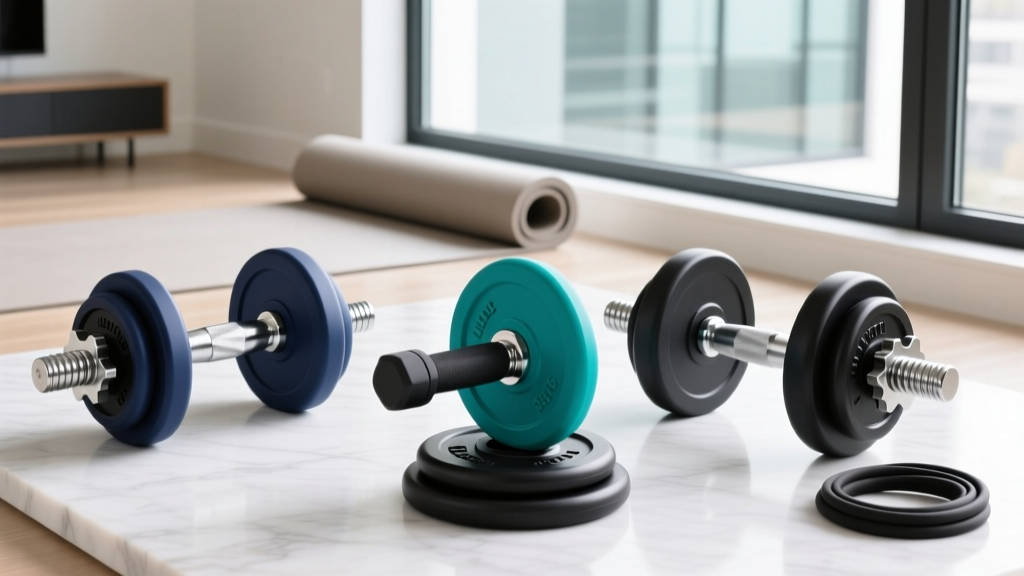
2026 Trends: Loadable Gear for One Legged Deadlifts with Dumbbells
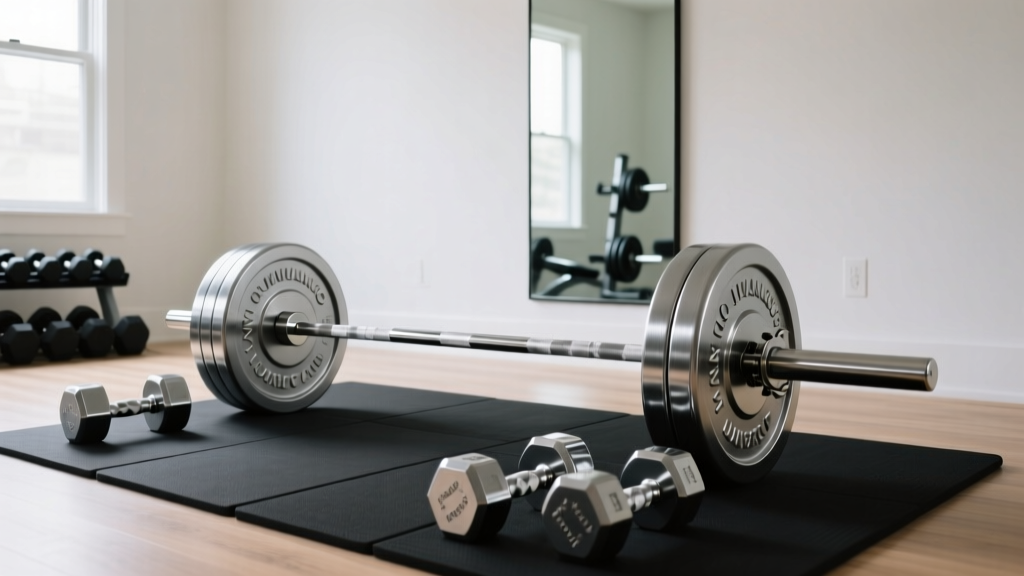
Olympic Barbell Knurling & Chest Day Dumbbells Setup

Step-by-Step Dumbbell Exercises for Strength Using Neoprene Sets

Loadable Plates vs Dial: Bowflex Dumbbell Exercises Cost Analysis
