Troubleshooting Miniature Dumbbells: Neoprene Home Use Mistakes
Discover common mistakes and troubleshooting tips for using neoprene-coated miniature dumbbells at home, from material care to workout programming.

The Biomechanics and Material Science of Neoprene Miniature Dumbbells
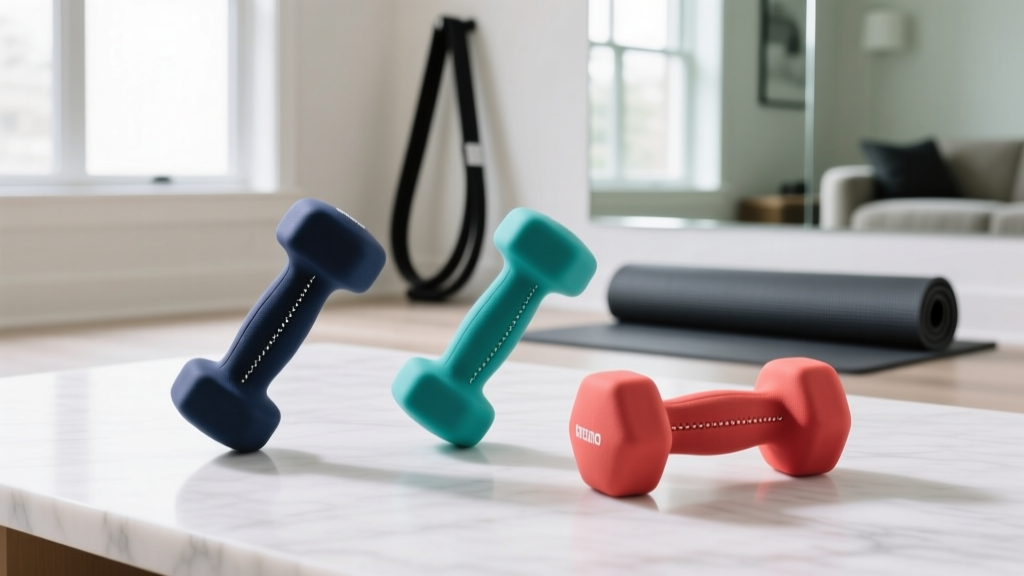
When outfitting a home gym for physical therapy, Pilates, or high-repetition endurance work, neoprene-coated dumbbells are the default choice. Specifically, miniature dumbbells—typically defined as weights ranging from 1 to 3 pounds—rely on neoprene (polychloroprene) coatings because bare cast iron at such low volumes is difficult to cast, prone to sharp edges, and uncomfortable to grip. However, home users frequently encounter material degradation and programming errors when utilizing these micro-weights.
While a pair of 2 lb neoprene dumbbells might seem like a simple purchase (usually priced between $12.99 and $18.99 from brands like Yes4All or CAP Barbell), the intersection of lightweight biomechanics and synthetic rubber maintenance requires specific knowledge. This guide breaks down the most common mistakes home users make with light neoprene weights and provides actionable troubleshooting protocols to fix your routine and preserve your equipment.
⚠️ The Hypertrophy Myth
A pervasive fitness myth suggests that performing hundreds of repetitions with miniature dumbbells will 'tone' muscles without adding bulk. According to research published in the National Institutes of Health (NIH), low-load resistance training can induce hypertrophy, but only if sets are taken to momentary muscular failure. If you are using 2 lb weights for lateral raises and stopping at 30 reps because you are bored or feel a 'burn,' you are primarily training muscular endurance, not altering muscle shape or size.
3 Common Mistakes When Using Light Neoprene Weights at Home
1. Ignoring Handle-to-Weight Disproportion
The most significant design flaw in many miniature dumbbells is the handle diameter. To accommodate the internal cast-iron core and the outer neoprene mold, a 1 lb dumbbell often features a handle diameter of 35mm to 40mm. For context, a standard Olympic barbell is 28mm. Gripping a disproportionately thick handle for high-rep rotator cuff work or Pilates sequences causes premature forearm flexor fatigue, limiting the stimulus to the target muscle.
- The Fix: If you experience wrist or forearm pain during rehab exercises like external rotations, wrap the handle with a thin layer of athletic tape to create a custom, slightly narrower grip profile, or switch to resistance bands for that specific movement.
2. Using Neoprene for Floor-Based Transitions
Neoprene is a closed-cell synthetic rubber that provides excellent floor protection. However, users often use these dumbbells as makeshift push-up handles or yoga blocks. The hex-shaped ends of light neoprene dumbbells are not engineered to withstand the lateral shear force of a 150 lb bodyweight. Over time, the internal iron core will shift, tearing the neoprene coating from the inside out.
- The Fix: Restrict miniature dumbbells strictly to free-weight movements. If you need floor support, invest in dedicated parallettes or high-density EVA foam blocks.
3. Improper Cleaning Agents that Dry Out Polychloroprene
Because these weights are often used for high-sweat, high-rep home cardio or physical therapy, they accumulate sebum (skin oils) and sweat. Many users wipe them down with isopropyl alcohol or bleach-based disinfectant wipes. These harsh solvents strip the plasticizers from the polychloroprene, causing the coating to turn chalky, crack, and eventually peel within 6 to 8 months.
- The Fix: Clean neoprene exclusively with a microfiber cloth dampened with warm water and a drop of mild dish soap (like Dawn). Dry immediately with a towel.
Troubleshooting Matrix: Symptoms and Solutions
Use this diagnostic table to identify what is going wrong with your home workout routine or equipment maintenance.
| Symptom / Issue | Root Cause | Actionable Solution |
|---|---|---|
| Dumbbell slips during sweat-heavy cardio | Neoprene surface has accumulated a layer of body oils and lotion. | Degrease the handle with a 50/50 white vinegar and water solution, then rinse. |
| Joint pain during rotator cuff rehab | The 35mm+ handle diameter forces the wrist into slight extension under load. | Use a neutral grip where possible, or switch to cable/band resistance for isolation. |
| White, chalky residue on the coating | UV exposure and alcohol-based cleaners have oxidized the rubber. | Apply a thin layer of silicone-based rubber protectant (like 303 Aerospace) to restore moisture. |
| Lack of visible progress in endurance | Progressive overload is impossible once you max out your 3 lb miniature pair. | Implement tempo training (e.g., 4-second eccentric phases) to increase time-under-tension without adding weight. |
Sizing Matrix: When to Use Miniature vs. Standard Light Weights
Understanding the exact application for different weight classes ensures you buy the right tool for your home gym. The American Council on Exercise (ACE) emphasizes matching the load to the specific biomechanical lever arm of the exercise.
| Weight Class | Primary Use Case | Target Demographic | Avg. Price (Pair) |
|---|---|---|---|
| 1 - 2 lbs (Miniature) | Physical therapy, scapular retractions, shadow boxing. | Post-op rehab, elderly mobility, boxing conditioning. | $12.00 - $16.00 |
| 3 - 5 lbs (Light Standard) | High-rep lateral raises, tricep kickbacks, Pilates. | Beginners, group fitness enthusiasts, endurance athletes. | $18.00 - $24.00 |
| 8 - 10 lbs (Heavy Light) | Bicep curls, goblet squats, overhead presses. | Intermediate home gym users, general fitness maintenance. | $28.00 - $35.00 |
Expert Maintenance Protocol for Neoprene Coatings
To maximize the lifespan of your neoprene-coated miniature dumbbells, implement this 4-step maintenance routine. According to physical therapy guidelines from the Cleveland Clinic, maintaining a hygienic environment for rehab equipment is crucial to prevent skin irritations and bacterial buildup on porous surfaces.
- The Post-Workout Wipe (Daily): Immediately after use, wipe the handles with a dry microfiber cloth to remove sweat salts. Salt crystals act as micro-abrasives that slowly wear down the matte finish of the neoprene.
- The Deep Clean (Bi-Weekly): Mix 1 cup of warm water with a teaspoon of mild, pH-neutral dish soap. Dampen a cloth (do not soak it) and wipe the entire surface. Water intrusion into the microscopic seams between the iron core and the rubber mold can cause internal rusting, which eventually bleeds through the neoprene.
- UV Protection (Monthly): If your home gym is in a sunroom or near a window, UV rays will break down the chemical bonds in polychloroprene. Apply a light coat of water-based UV protectant designed for synthetic rubber. Avoid petroleum-based products like Vaseline, which will dissolve the coating.
- Storage Geometry: Never stack miniature dumbbells in a pile where the hex corners press into the flat sides of the weight below. Over months, this constant point-pressure will leave permanent indentations in the softer rubber. Store them horizontally on a dedicated rack or in a segmented drawer.
Frequently Asked Questions (FAQ)
Can I use miniature dumbbells for weight loss?
Miniature dumbbells (1-3 lbs) are excellent for adding a cardiovascular element to aerobic routines, such as holding them during walking lunges or step-ups. However, they do not burn significantly more calories than bodyweight movements alone. Their primary value in weight loss is increasing heart rate during circuit training, not building metabolically active muscle tissue.
Why do my 2 lb neoprene dumbbells feel heavier than my 2 lb adjustable plates?
This is a matter of volume and center of mass. A neoprene dumbbell is physically much larger than a compact cast-iron plate. The increased physical volume shifts the center of mass slightly further from your wrist joint, increasing the lever arm and requiring more torque from your forearm stabilizers to keep the weight steady.
Is the chemical smell from new neoprene dumbbells toxic?
The 'out-of-the-box' odor is caused by off-gassing of volatile organic compounds (VOCs) from the manufacturing process. While not highly toxic in small, ventilated spaces, it can cause headaches. To resolve this, wash the dumbbells with soapy water and leave them in a well-ventilated garage or shaded outdoor area for 48 to 72 hours before bringing them into your home gym.
More gear to consider
All reviews
Cast Iron vs Competition Kettlebells & 100lb Dumbbell Set Value

Power Rack vs Squat Rack: Incline Dumbbell Curl Muscles Worked Guide

Leg Curl Alternative with Dumbbells: 2026 Rubber vs Urethane Trends
How Heavy Are the Dumbbells You Lift? Form Over Fitness Video Hype
Power Rack vs Squat Stand: Standing Dumbbell Squeeze Press Guide
