Tricep Workout Dumbbells Only: Maintaining Loadable Handles & Plates
Learn essential maintenance tips for loadable dumbbells to ensure smooth, safe tricep workout dumbbells only routines. Extend your gear's lifespan today.

The Hidden Stress of Tricep Isolation on Loadable Dumbbells
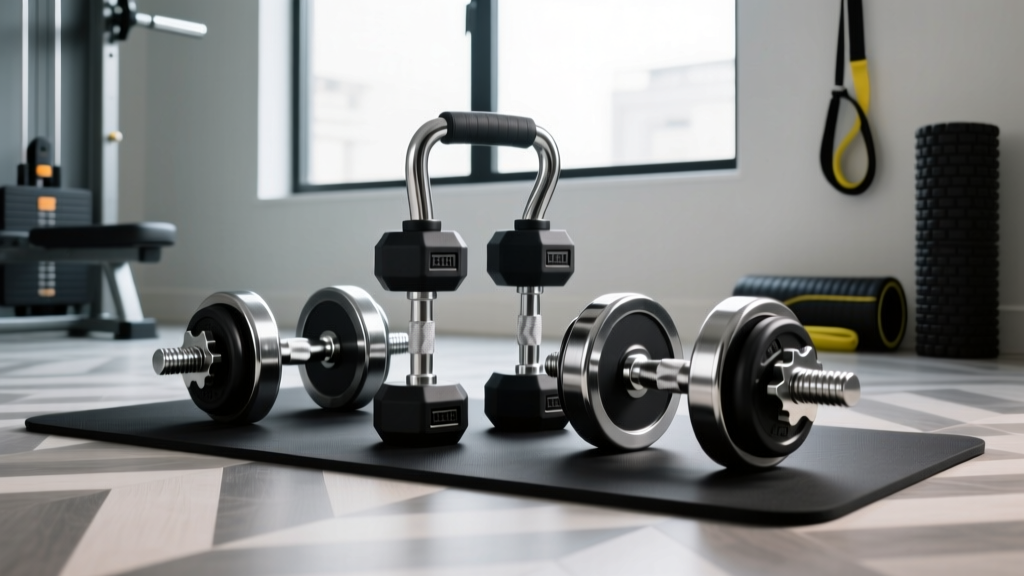
When committing to a tricep workout dumbbells only protocol, you strip away the stability of cable machines and fixed-weight racks, relying entirely on free weights for progressive overload. Loadable dumbbell handles with interchangeable plates—such as the Titan Fitness Loadable Dumbbell Handles (retailing around $99.99 in 2026) or the premium Rogue DB-15 ($185.00)—offer unmatched versatility for home and garage gyms. However, the unique biomechanics of tricep isolation exercises place severe, often overlooked, shear stress on your equipment.
According to kinesiology data from ExRx.net, targeting the long head of the triceps brachii requires overhead positioning, such as the seated French press or lying skull crushers. In these positions, gravity pulls the loaded plates directly against the inner collar or locking mechanism. If your loadable dumbbell is poorly maintained, a stripped spin-lock thread or a degraded bushing can result in a catastrophic plate slip—turning a heavy overhead extension into a severe safety hazard.
To ensure your gear survives years of heavy isolation work, you must implement a rigorous, proactive maintenance routine. This guide breaks down the exact steps to preserve your loadable handles, plates, and collars.
Knurling and Shaft Care: Preserving Your Grip
Tricep kickbacks and close-grip dumbbell presses require a vice-like grip, especially as sweat accumulates. The knurling on Olympic loadable dumbbell handles is typically cut into raw steel, stainless steel, or black oxide-coated steel. Dead skin, chalk, and ambient moisture quickly pack into these microscopic grooves, leading to oxidation and a loss of tensile grip.
The 3-Step Knurling Restoration Protocol
- Dry Brushing (Post-Workout): Never use a steel wire brush on your dumbbell shafts, as it will strip protective coatings and damage the knurl peaks. Instead, use a stiff brass brush for stainless or raw steel, and a nylon brush for black oxide finishes. Brush at a 45-degree angle to the knurl pattern to dislodge chalk and skin.
- Deep Cleaning (Monthly): For stubborn grime, apply a small amount of mild degreaser or isopropyl alcohol to a microfiber cloth. Wipe the shaft down. Avoid bleach-based cleaners or harsh industrial solvents, which can accelerate corrosion on carbon steel handles.
- Lubrication and Protection (Bi-Monthly): Apply a light coat of 3-IN-ONE oil or a specialized barbell oil to the shaft. Never use standard WD-40; it is a solvent that attracts dust and chalk, creating an abrasive paste that will grind down your knurling over time. Let the oil sit for 10 minutes, then buff it completely dry with a clean cloth.
Sleeve, Bushing, and Bearing Maintenance
The sleeve is the cylindrical end where your interchangeable bumper or iron plates slide. High-quality loadable dumbbells utilize bronze bushings or needle bearings to allow the sleeve to rotate independently of the handle. This rotation is crucial during dynamic tricep movements like dumbbell drop sets or rapid transitions from skull crushers to floor presses, as it reduces rotational torque on your wrists and elbows.
Over time, iron oxide from cast-iron plates transfers to the inner sleeve, creating a grinding sensation. To maintain smooth rotation:
- Wipe the Sleeves: After every session, wipe the sleeves with a dry cloth to remove iron dust and rubber residue from bumper plates.
- Check for Burrs: Run a gloved finger along the inner lip of the sleeve. If you feel metal burrs caused by dropping heavy dumbbells on hard rubber mats, gently file them down with a fine-grit metal file. Burrs will shave the inner diameter of your weight plates every time you load them.
- Bushing Lubrication: Once a year, apply two drops of lightweight synthetic bearing oil (like Tri-Flow) to the seam where the sleeve meets the handle shaft. Rotate the sleeve manually for 60 seconds to work the oil into the bronze bushing.
Collar Integrity: The Most Critical Failure Point
In a tricep workout dumbbells only routine, the collar is your only line of defense against a 45-pound plate sliding off the sleeve and crushing your skull during a lying tricep extension. Most budget loadable dumbbells use standard threaded spin-lock collars, while premium setups allow for clamp-style collars (like the Rogue HG 2.0 or Lock-Jaw clamps).
Maintaining Spin-Lock Threads
Spin-lock collars fail primarily due to cross-threading and chalk buildup in the grooves. If you force a collar onto a chalk-clogged thread, you will strip the steel, rendering the handle useless.
- Clean the threaded shaft weekly with a dry nylon brush.
- Never drop a fully assembled loadable dumbbell directly onto the collar. The impact force can warp the threading or crack the cast-iron nut.
- If the spin-lock nut becomes difficult to turn, do not use a wrench. Apply a drop of penetrating oil, let it sit, and clean the threads.
Upgrading to Clamp Collars for Tricep Safety
For heavy overhead tricep work, we highly recommend abandoning traditional spin-locks in favor of modern clamp collars. Clamp collars distribute pressure evenly across the sleeve and lock via a cam-lever mechanism, eliminating the risk of stripped threads. While they add $20 to $40 to your equipment budget, the safety dividend during overhead extensions is immeasurable.
Comprehensive Maintenance & Troubleshooting Matrix
Refer to this matrix to diagnose and resolve common issues with your loadable dumbbell setup. Consistent adherence to this schedule, as recommended by equipment care guidelines from BarBend, will easily extend the lifespan of your handles by a decade or more.
| Issue / Symptom | Root Cause | Corrective Action | Frequency |
|---|---|---|---|
| Plates rattle during kickbacks | Loose collar or mismatched plate diameters | Upgrade to clamp collars; ensure plates sit flush against the inner lip. | Every Session |
| Handle feels slick / grip fails | Chalk and skin oils packed in knurling | Brass/nylon brush scrub followed by isopropyl alcohol wipe. | Weekly |
| Sleeve grinding or squeaking | Iron oxide buildup or dry bushings | Wipe sleeve clean; apply 2 drops of synthetic bearing oil to the seam. | Monthly |
| Collar difficult to thread | Cross-threading or chalk in the grooves | Brush threads clean; apply light machine oil. Do not force. | Bi-Annually |
Environmental Storage and Plate Care
The longevity of your interchangeable plates is just as important as the handles. Cast-iron plates are highly susceptible to flash rust, especially in garage gyms where humidity fluctuates. When iron plates rust, they shed microscopic flakes that embed themselves into the knurling of your dumbbell handles, accelerating wear.
Storage Best Practices:
- Use a Dedicated Dumbbell Rack: Never leave loadable dumbbells assembled and resting on the floor. The moisture from concrete floors will wick up into the bottom plates, causing severe oxidation. Store them on a tiered A-frame or horizontal rack.
- Silicone Spray for Iron Plates: Once every six months, wipe down your raw cast-iron plates with a cloth lightly misted with 100% silicone spray. This creates a hydrophobic barrier that repels moisture without leaving a slick residue on your hands.
- Urethane and Rubber Plates: If you use urethane or crumb-rubber bumper plates for your tricep routines to reduce noise, keep them out of direct sunlight. UV degradation will cause the rubber to dry rot, crack, and eventually crumble onto your gym floor.
Final Thoughts on Gear Longevity
Executing a strict tricep workout dumbbells only regimen demands absolute trust in your equipment. When you are lying on a bench with 80 pounds of iron hovering over your face during a skull crusher, your focus should be on the mind-muscle connection and the stretch of the triceps long head—not on whether your spin-lock collar is going to give way. By investing 15 minutes a week into brushing, oiling, and inspecting your loadable dumbbell handles and plates, you guarantee a safer, more effective training environment for years to come. Treat your gear with the same discipline you apply to your programming, and it will never fail you when the reps get heavy.
More gear to consider
All reviews
What Do Dumbbell Deadlifts Work? Cast Iron vs Competition Kettlebell Value Guide

Olympic vs Standard Plates: Full Body Circuit with Dumbbells

Cast Iron vs Competition Kettlebells: Maintenance & Dumbbell Floors

Dumbbell Shoulder Workout Guide & 2026 Adjustable Dumbbell Review
Olympic vs Standard Plates: Neutral Grip Dumbbell Shoulder Press Guide