
Beyond TJ Maxx Dumbbells: Barbell Collar and Clamp Comparison
Upgrading from TJ Maxx dumbbells? Compare barbell collar and clamp types, from spring clips to OSO Pro, with real-world failure modes and pricing.

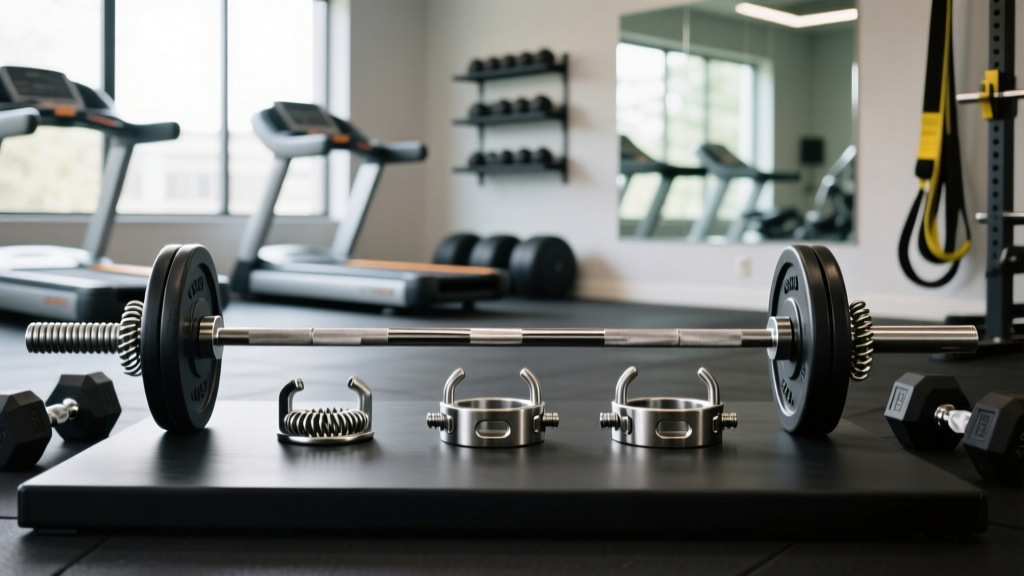
Many home gym owners start their fitness journey picking up a pair of TJ Maxx dumbbells—typically neoprene-coated cast iron hex bells in the 5 to 25-pound range. They are accessible, budget-friendly, and perfectly adequate for light isolation work. However, when these same lifters transition to barbell training and purchase a discount department-store Olympic bar, they often rely on the flimsy spring clamps included in the box. This is a critical mistake that compromises both safety and performance.
As we move through 2026, the market for barbell collars and clamps has evolved significantly, offering specialized solutions for powerlifting, Olympic weightlifting, and high-rep functional fitness. In this head-to-head product comparison, we break down the metallurgy, grip mechanisms, and real-world failure modes of every major collar type, helping you safely upgrade your gear.
⚠️ Safety Warning: Never use cheap spring clips for Olympic lifts (snatches, clean and jerks) or heavy deadlifts. The kinetic energy generated by barbell whip can easily overcome the 15-20 lbs of lateral holding force provided by standard spring clips, leading to catastrophic plate shifts.The Discount Store Trap: Understanding Sleeve Tolerances
When you buy budget fitness gear—much like the random 15-pound TJ Maxx dumbbells you might find on a clearance rack—manufacturing tolerances are notoriously loose. A standard Olympic barbell sleeve should measure exactly 50mm (1.968 inches) in diameter. However, discount barbells often feature sleeves that range from 48.5mm to 51.5mm. This variance is the primary reason why premium collars fail on cheap bars, and why cheap clamps fail on premium bars. Understanding this interaction is the first step in choosing the right clamp.
Head-to-Head: Barbell Collar and Clamp Types Comparison
Below is our 2026 comparison matrix of the four primary barbell collar categories, analyzing their construction, price points, and ideal use cases.
| Collar Type | Primary Material | Avg. Price (Pair) | Grip Mechanism | Primary Failure Mode |
|---|---|---|---|---|
| Spring Clips | Zinc-Plated Steel | $8 - $12 | Tension / Coil Spring | Spring fatigue & rust |
| Clamp-Style (Lever) | CNC Aluminum / Nylon | $35 - $75 | Cam Lever + O-Ring/Insert | Nylon insert wear / O-ring tear |
| Lock-Jaw / Pro-Loc | Glass-Filled Nylon | $30 - $40 | Plastic Latch / Ratchet | Latch hinge snapping |
| Spinlock / Screw-Down | Cast Iron / Steel | $15 - $25 | Threaded Sleeve | Thread stripping |
Deep Dive: Metallurgy, Tolerances, and Real-World Models
1. Spring Clips (The Department Store Standard)
Often bundled with budget barbells, spring clips rely on the tensile strength of coiled steel wire. While they are lightweight and allow for rapid plate changes, they offer a maximum lateral holding force of roughly 20 lbs. According to testing data featured in BarBend's comprehensive collar reviews, standard spring clips begin to lose their tension after approximately 400 to 500 compression cycles. Furthermore, the zinc plating chips easily, leading to rust that seizes the coil mechanism.
2. Clamp-Style Collars: Rogue HG 2.0 vs. OSO Pro
This is where serious lifters invest their money. Let's look at the two market leaders head-to-head:
- Rogue Fitness HG 2.0 Collars ($35/pair): These feature an anodized aluminum body and a glass-filled nylon insert. The cam-lever design provides immense clamping pressure. However, the Rogue HG 2.0 is notoriously unforgiving regarding sleeve diameter. If your barbell sleeve is worn down to 49.2mm, the nylon insert will not make full contact, resulting in slippage during heavy deadlifts.
- OSO Pro Barbell Collars ($75/pair): Machined from billet aluminum, the OSO Pro utilizes a dual 70A-durometer nitrile O-ring system instead of a rigid nylon insert. This allows the collar to securely grip sleeves ranging from 49mm to 51mm. The trade-off is that O-rings can tear if dragged across abrasive knurling or concrete, though replacement O-rings cost less than $5.
3. Lock-Jaw and Pro-Loc Mechanisms
Made from high-density, glass-filled nylon, Lock-Jaw collars use a ratcheting latch system. They are incredibly popular in CrossFit and functional fitness gyms because they can be slapped onto the bar with one hand. The failure mode here is environmental: if left in an unheated garage gym during winter, the nylon becomes brittle, and the latch hinge can snap under the torque of a heavy lever pull.
The Physics of Bar Whip and Collar Slippage
"In powerlifting and weightlifting, the barbell is not a static object. During a heavy deadlift or a dynamic clean, the bar experiences 'whip'—elastic deformation. This whip generates lateral kinetic energy that pushes plates outward. A collar must absorb and counteract this specific vector of force."
When a 20kg barbell whips, the plates can shift outward by 1mm to 3mm per rep. If you are using a clamp that relies solely on surface friction (like a worn spring clip), the plates will slowly inch toward the end of the sleeve. This alters the center of gravity, creating a dangerous asymmetrical load. This is precisely why the International Powerlifting Federation (IPF) mandates the use of specific competition collars that weigh exactly 2.5 kg each and feature mechanical locking pins that physically prevent lateral movement, rather than relying on friction alone.
2026 Maintenance Guide: Extending Collar Lifespan
Premium collars are an investment. To ensure they last a decade or more, implement the following maintenance protocols:
- Clean the Barbell Sleeves: Chalk and oxidized steel act like sandpaper against nylon inserts and rubber O-rings. Wipe your sleeves with a nylon brush and a light coat of 3-in-One oil weekly.
- Inspect O-Rings for Micro-Tears: If you use OSO Pro or similar O-ring collars, inspect the rubber for flat spots. A flat spot indicates the O-ring has taken a compression set and will no longer provide adequate radial force.
- Lubricate Cam Hinges: For aluminum lever collars, apply a drop of PTFE (Teflon) dry lubricant to the hinge pin every six months to prevent the lever from seizing in the closed position.
Decision Framework: Which Collar Fits Your Training?
Stop treating your barbell accessories as an afterthought. Use this framework to make your purchase:
- For Olympic Weightlifting & CrossFit: Choose Lock-Jaw / Pro-Loc collars. You need rapid transitions between sets, and the nylon construction won't damage your bumper plates during drops.
- For Powerlifting & Heavy Deadlifts: Choose OSO Pro or Rogue HG 2.0 clamp-style collars. The sheer clamping force of the cam-lever is required to counteract extreme bar whip.
- For General Fitness & Home Gyms: If you are just upgrading from your TJ Maxx dumbbells and a light barbell setup, a mid-tier Clamp-Style collar in the $25-$35 range is the safest, most versatile entry point. Avoid spring clips entirely.
Final Verdict
Transitioning from fixed-weight gear like TJ Maxx dumbbells to a modular barbell system opens up a world of progressive overload, but it also introduces new safety variables. While a $10 pair of spring clips might seem like a logical budget choice, the metallurgical realities of spring fatigue and poor sleeve tolerances make them a liability. Investing $35 to $75 in a dedicated, cam-lever clamp system like the Rogue HG 2.0 or OSO Pro is not just about protecting your plates—it is about ensuring the structural integrity of your lift from the moment you unrack the bar.
More gear to consider
All reviews
Weight Lifting at Home With Dumbbells & Plates: Olympic vs Standard

Power Rack vs Squat Rack vs Stand: Pectoral Exercise with Dumbbells

Optimizing Gym Space: Bumper vs Iron Plates & Push Up Rows Dumbbells
Barbell Clamps for Squats & Any Leg Workout Routine With Dumbbells

Beyond the Dumbbell Workout PDF: Barbell Knurling & Weight Mistakes
