Standard vs Olympic Plates: The Dumbbell Handle Weight Trap
Discover the hidden dumbbell handle weight differences between standard and Olympic plates, plus troubleshooting tips to avoid costly home gym mistakes.

When building a home gym, the debate between standard (1-inch) and Olympic (2-inch) weight plates usually centers on cost and availability. However, most lifters overlook a critical variable that directly impacts progressive overload, joint mechanics, and equipment safety: the dumbbell handle weight. Mixing up these two ecosystems is one of the most common—and expensive—mistakes beginners make. This troubleshooting guide breaks down the exact mechanical differences, hidden weight discrepancies, and structural failure modes you need to know in 2026.
⚠️ SAFETY WARNING: Never attempt to drill out, file down, or modify 1-inch standard cast iron plates to fit a 2-inch Olympic dumbbell handle. This compromises the structural integrity of the iron, creating a severe crushing hazard if the plate fractures under load.The Math Problem: How Dumbbell Handle Weight Skews Your Load
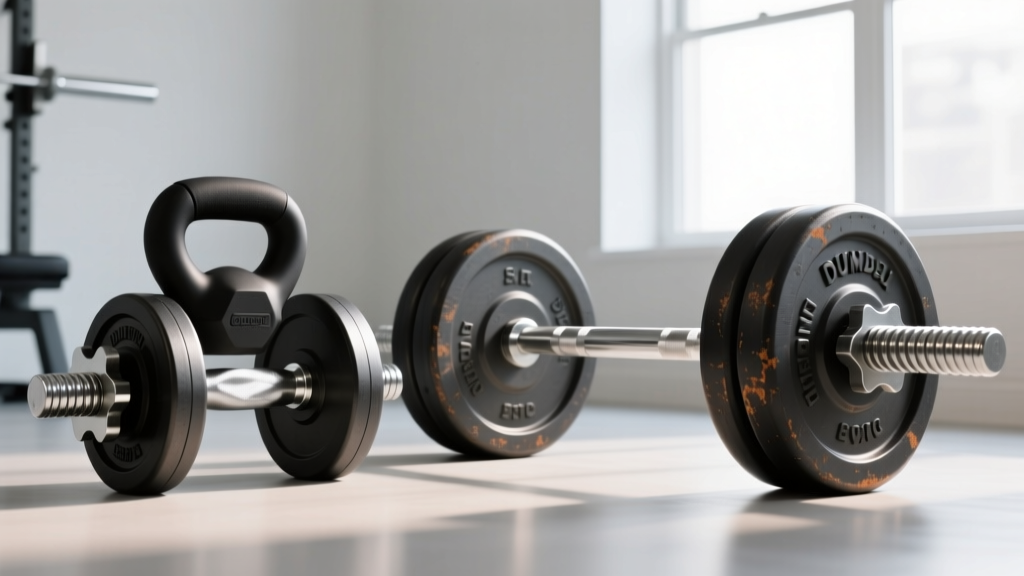
The most frequent troubleshooting issue we see on fitness forums involves lifters miscalculating their total lifting weight. When you slide plates onto a dumbbell, the total load is the sum of the plates plus the dumbbell handle weight. Because standard and Olympic handles are built to entirely different engineering standards, their baseline weights vary wildly.
Standard Handles (1-Inch System)
- Typical Length: 14 to 16 inches
- Sleeve Diameter: 1.09 inches (25.4mm)
- Average Dumbbell Handle Weight: 2.5 lbs to 4.0 lbs
- Example: CAP Barbell 14-inch Solid Steel Handle weighs approximately 3.2 lbs.
Olympic Handles (2-Inch System)
- Typical Length: 20 inches
- Sleeve Diameter: 1.96 inches (49.8mm)
- Average Dumbbell Handle Weight: 7.0 lbs to 11.0 lbs
- Example: The Rogue 20-inch Olympic Dumbbell Handle weighs exactly 8.5 lbs and features rotating sleeves with bronze bushings.
The Troubleshooting Scenario: You want to lift exactly 30 lbs per hand. You load a 10 lb and a 5 lb standard plate on each side of a standard handle (10+10+5+5 + 3.2 lb handle = 33.2 lbs). If you switch to an Olympic setup with the same plates (assuming you use adapter sleeves), your total is now 30 lbs of plates + an 8.5 lb handle = 38.5 lbs. That is a 5.3 lb jump per hand, entirely due to the dumbbell handle weight discrepancy. Over a 5x5 hypertrophy block, this uncalculated overload can lead to stalled progress or tendon strain.
Troubleshooting Matrix: 4 Common Purchasing & Loading Mistakes
| Mistake | The Problem | The Fix |
|---|---|---|
| Buying 1' plates for 2' handles | Standard plates will slide right off Olympic sleeves, causing immediate drops and floor damage. | Return the plates. Do not rely on tape or makeshift shims. Buy 2-inch Olympic plates. |
| Ignoring handle weight for micro-loading | Using heavy Olympic handles for rehab or isolation work makes the starting weight too high. | Keep a set of lightweight standard handles and neoprene dumbbells for lateral raises and rotator cuff work. |
| Overloading standard handles | Loading 100+ lbs on a 1-inch handle causes the steel to yield (permanently bend) or snap. | Cap standard handles at 50 lbs total. Upgrade to Olympic for heavy presses and rows. |
| Assuming plate diameters match | Standard 10lb plates are smaller in diameter than Olympic 10lb plates, altering floor clearance. | Measure plate diameter before programming renegade rows or dumbbell deadlifts. |
Failure Modes: When Standard Plates Snap Under Pressure
According to equipment safety guidelines discussed by experts at Garage Gym Reviews, standard 1-inch dumbbell handles are fundamentally limited by physics. A 14-inch solid steel bar with a 1-inch cross-section lacks the tensile strength to support heavy, off-center loads.
When you stack multiple 10 lb standard plates on a 14-inch handle, the weight is pushed further away from the central grip. This increases the bending moment (torque) applied to the center of the bar. Once you exceed 60 to 70 lbs total load, the 1-inch steel will begin to flex. Over time, this metal fatigue leads to a catastrophic failure where the handle snaps in half mid-rep. Olympic handles, utilizing 2-inch thick steel and often featuring a hexagonal or knurled center grip, can safely support 150+ lbs without microscopic deformation.
Floor Clearance and the Renegade Row Disaster
Another highly specific troubleshooting issue involves the physical dimensions of the plates themselves. As outlined in standard weight plate specifications, the hole size dictates the overall footprint of lighter plates.
Data Highlight: The 10 lb Plate Discrepancy
- Standard 10 lb Cast Iron Plate: ~8.5 inches in diameter
- Olympic 10 lb Cast Iron Plate: ~9.1 inches in diameter
- Olympic 10 lb Bumper Plate: 17.7 inches in diameter (standard IWF spec)
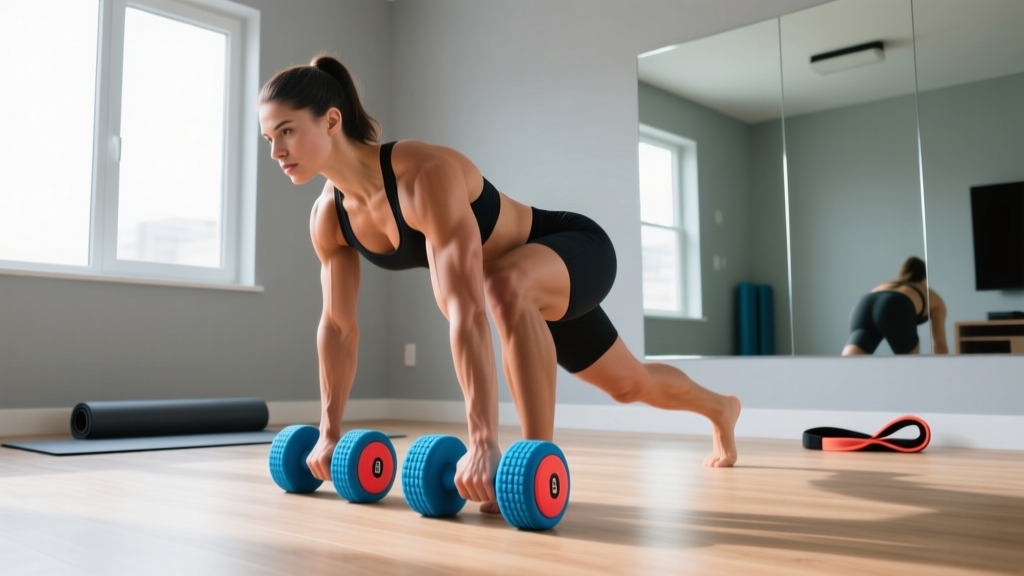
If you are performing renegade rows, dumbbell push-ups, or deficit deadlifts, the starting height of the dumbbell is dictated by the plate's radius. Using standard plates will place your hands closer to the floor, reducing the deficit and altering your range of motion. Conversely, if you accidentally use Olympic bumper plates on your dumbbells, the 17.7-inch diameter will elevate your hands nearly 9 inches off the ground, completely changing the biomechanics of the exercise and potentially causing shoulder impingement due to the extreme depth.
Rotational Mechanics: Wrist Strain and Sleeve Spin
Why do Olympic dumbbell handles cost $80 to $130 each, while standard handles cost $15 to $25? The answer lies in rotational mechanics.
Standard dumbbell handles are a single, solid piece of steel. When you perform a dumbbell curl or a snatch, the plates want to stay stationary due to inertia, forcing your wrists and elbows to absorb all the rotational torque. Olympic dumbbell handles feature independent, rotating sleeves equipped with bronze bushings or needle bearings. This allows the plates to spin independently of the handle, drastically reducing shear force on your wrists during dynamic movements. If you are troubleshooting unexplained wrist pain during heavy hammer curls or Olympic lifts, your solid standard handles are likely the culprit.
Expert Verdict: Which System Should You Buy?
To avoid these common mistakes, use this decision framework based on your current strength level and 2026 market pricing:
- The Beginner / Light Rehab Tier (Under 40 lbs per hand): Standard 1-inch plates are perfectly adequate. The lower dumbbell handle weight (approx. 3 lbs) makes it easier to hit exact micro-loading targets. Expect to pay ~$1.20 per pound for standard cast iron.
- The Intermediate / General Fitness Tier (40 to 80 lbs per hand): Transition to Olympic. The heavier dumbbell handle weight (8.5 lbs) is a worthy trade-off for the safety of a 2-inch steel shaft and rotating sleeves. Budget ~$1.80 per pound for Olympic cast iron.
- The Advanced / Heavy Compound Tier (80+ lbs per hand): Olympic is mandatory. Standard handles will bend, and the lack of sleeve rotation will destroy your joints. Invest in Olympic urethane plates (~$3.50/lb) to protect your floors from the massive drop forces generated by 100+ lb dumbbells.
Ultimately, recognizing the impact of the dumbbell handle weight and the mechanical limits of 1-inch vs 2-inch systems will save you from wasted money, ruined programming, and potential injury. Measure your sleeves, weigh your handles, and lift safely.
More gear to consider
All reviews
EZ Bar vs Straight Bar: Space Tips for Full Arm Workouts With Dumbbells

Olympic vs Standard Plates: Full Body Dumbbells Workout Mistakes

Cast Iron vs Competition Kettlebells vs Dumbbell Glute Bridge on Bench

Bumper vs Iron Plates: Dumbbell Bench Braced Wrist Extension Trends

Troubleshooting Neoprene Dumbbells: Beyond Your Dumbbell Workouts PDF