
Standard vs Olympic Plates: Do Cemco Dumbbells Make the Cut?
We compare Olympic vs standard weight plates, analyzing if budget-friendly Cemco dumbbells and 1-inch ecosystems can compete with 2-inch commercial gear.

The Great Home Gym Divide: 1-Inch vs. 2-Inch Ecosystems
Building a home gym in 2026 requires more than just buying whatever iron is on sale; it demands a commitment to an ecosystem. The foundational choice every lifter faces is whether to invest in a Standard (1-inch hole) or Olympic (2-inch hole) weight plate setup. While commercial gyms universally default to Olympic gear, the standard ecosystem remains fiercely popular for budget-conscious lifters, apartment dwellers, and those focused on isolation movements.
But how do these two worlds actually compare when put under the microscope? More importantly, if you opt for the 1-inch route, can legacy brands and budget setups—specifically Cemco dumbbells and their matching standard cast-iron plates—hold up to modern training demands? In this head-to-head comparison, we break down the biomechanics, economics, and failure modes of both ecosystems to help you make the right choice.
Standard Plates & The Cemco Dumbbell Advantage
The standard weight plate ecosystem is defined by its 1-inch (25.4mm) center hole. This setup is typically paired with lighter, solid-steel or basic cast-iron barbells and spinlock dumbbell handles. When discussing standard plates, Cemco dumbbells and their accompanying cast-iron plates frequently enter the conversation. Cemco has built a reputation for producing no-nonsense, traditional gray cast-iron equipment that appeals to purists and budget builders alike.
Quick Specs: The Standard Ecosystem
- Hole Diameter: 1 inch (25.4mm)
- Typical Barbell Capacity: 200 lbs - 300 lbs (varies heavily by manufacturer)
- Plate Materials: Mostly cast iron, occasional vinyl-concrete filled
- Average Cost: $1.25 - $1.75 per pound (cast iron)
The primary advantage of pairing standard plates with Cemco dumbbell handles is cost-efficiency and space conservation. A pair of 1-inch spinlock handles costs roughly $25 to $35, whereas a comparable pair of commercial-grade Olympic dumbbell handles can easily exceed $100. Furthermore, standard plates have a smaller outer diameter for lighter weights (e.g., a standard 10lb plate is significantly narrower than a 10lb Olympic fractional plate), making them easier to store in tight spaces and easier to load onto short dumbbell handles without hitting the collars.
Olympic Plates: The Commercial Standard
Olympic plates feature a 2-inch (50.6mm) center hole, designed to fit the rotating sleeves of Olympic barbells. This is the gold standard for powerlifting, Olympic weightlifting, and general strength training. According to BarBend's comprehensive guide on plate ecosystems, the 2-inch sleeve diameter is not arbitrary; it was engineered to accommodate internal bushings or bearings, allowing the sleeve to rotate independently of the barbell shaft during explosive lifts like the clean and jerk.
When you buy into the Olympic ecosystem, you gain access to a vastly superior range of plate types. Beyond basic cast iron, you can purchase calibrated steel plates (for exact weight tolerances), crumb-rubber bumpers (for dropping from overhead), and urethane-coated plates (for noise reduction and durability). As noted in Rogue Fitness's Olympic plate lineup, the 2-inch standard allows for standardized dead-bounce properties in bumper plates, a feature entirely absent in the 1-inch world.
Head-to-Head Comparison Matrix
To visualize the differences, we tested and compared a standard 1-inch setup (utilizing Cemco-style cast iron and spinlock handles) against a mid-tier Olympic setup (cast iron plates and a 45lb Olympic bar with bushings).
| Feature | Standard (Cemco / 1-Inch) | Olympic (2-Inch) |
|---|---|---|
| Hole Diameter | 1 inch (25.4mm) | 2 inches (50.6mm) |
| Barbell Yield Strength | Low (Bends at ~225+ lbs) | High (Withstands 500-1000+ lbs) |
| Dumbbell Handle Type | Spinlock / Threaded | Solid Hex / Pro-Style |
| Plate Material Options | Cast Iron, Vinyl-Concrete | Iron, Rubber, Urethane, Calibrated Steel |
| Weight Change Speed | Slow (Threading spinlock nuts) | Fast (Slide on, clamp with spring/lever collar) |
| Resale Value (2026) | Low ($0.75 - $1.00/lb) | High ($1.25 - $2.50+/lb) |
Real-World Failure Modes & Edge Cases
As equipment reviewers, we don't just look at spec sheets; we look at how gear fails. Understanding the failure modes of both ecosystems is critical for your safety and wallet.
Standard Ecosystem Failure Modes
- Plastic Deformation of Barbells: The most common failure in the 1-inch ecosystem is bar bending. Most standard 5-foot or 6-foot barbells are made from low-grade steel. Once you load them past 200 lbs, they begin to bend. Over time, this plastic deformation becomes permanent, rendering the barbell useless for rolling movements or floor presses.
- Spinlock Thread Stripping: When using Cemco dumbbells or similar spinlock handles, cross-threading the star nuts is a frequent annoyance. If you drop a heavy dumbbell, the impact can warp the threaded sleeve, making it impossible to secure the collar safely.
- Vinyl Plate Cracking: Many budget standard plates are filled with cement and coated in vinyl. These are notorious for cracking, leaking sand/cement dust, and throwing off the center of gravity as the internal filler shifts.
Olympic Ecosystem Failure Modes
- Bushing Seizure: Cheaper Olympic bars use low-grade brass or plastic bushings. If not maintained with 3-in-One oil or white lithium grease, these bushings can seize, eliminating the sleeve rotation required for Olympic lifts and placing immense torque on the lifter's wrists.
- Rubber Degradation: Low-quality rubber bumper plates (often imported and sold cheaply) will dry rot, crack, and emit a toxic off-gassing odor in a humid garage gym. This is why experts, including the testing team at Garage Gym Reviews, heavily recommend virgin rubber or urethane over recycled rubber.
Expert Warning: Never attempt to use an adapter to put 2-inch Olympic plates on a 1-inch standard barbell. The standard bar's sleeves and internal welds are not rated for the sheer leverage and dead weight of loaded Olympic plates, creating a severe snap-hazard.
Final Verdict: Which Ecosystem Should You Build?
The choice between Standard and Olympic ultimately comes down to your training age, budget, and spatial constraints.
Choose the Standard Ecosystem (and Cemco Dumbbells) If:
- Your budget is strictly under $400. You can build a highly functional 1-inch dumbbell and plate setup for a fraction of the cost of Olympic gear.
- You focus on bodybuilding and isolation work. If your training revolves around dumbbell presses, curls, flyes, and lateral raises, the 1-inch spinlock handles and compact cast-iron plates are perfectly adequate up to about 60 lbs per hand.
- Space is at a premium. Standard plates and shorter dumbbell handles take up significantly less floor and rack space.
Choose the Olympic Ecosystem If:
- You are a powerlifter, weightlifter, or intermediate-plus strength athlete. If you plan to squat, deadlift, or clean over 225 lbs, an Olympic barbell and 2-inch plates are non-negotiable for safety and performance.
- You want to drop your weights. Only the Olympic ecosystem supports true bumper plates designed to be dropped from overhead or the shoulder without destroying your floor or the plates themselves.
- You value longevity and resale. Olympic gear holds its value incredibly well. A used 45lb Olympic bumper plate will sell in minutes on local marketplaces, whereas standard vinyl plates are often given away for free.
Frequently Asked Questions
Can I use Cemco standard plates on Olympic dumbbell handles?
No. Standard plates have a 1-inch hole, while Olympic dumbbell handles have 2-inch sleeves. They are physically incompatible without specialized, commercially unavailable adapters.
Are Cemco dumbbells good for heavy pressing?
Cemco's traditional cast-iron standard plates are excellent for heavy pressing, provided you use high-quality spinlock handles. However, once you exceed 70 lbs per dumbbell, the physical length of the 1-inch handle required to fit the plates becomes unwieldy, making a 2-inch Olympic dumbbell or adjustable dumbbell (like Nuobell or PowerBlock) a better ergonomic choice.
Why do Olympic plates cost so much more?
The price gap (often $1.50/lb for standard vs. $3.00+/lb for Olympic bumpers) reflects the manufacturing complexity. Olympic plates require precise steel hub inserts to grip the 2-inch sleeve securely, whereas standard plates are simply cast with a hole through the iron.
More gear to consider
All reviews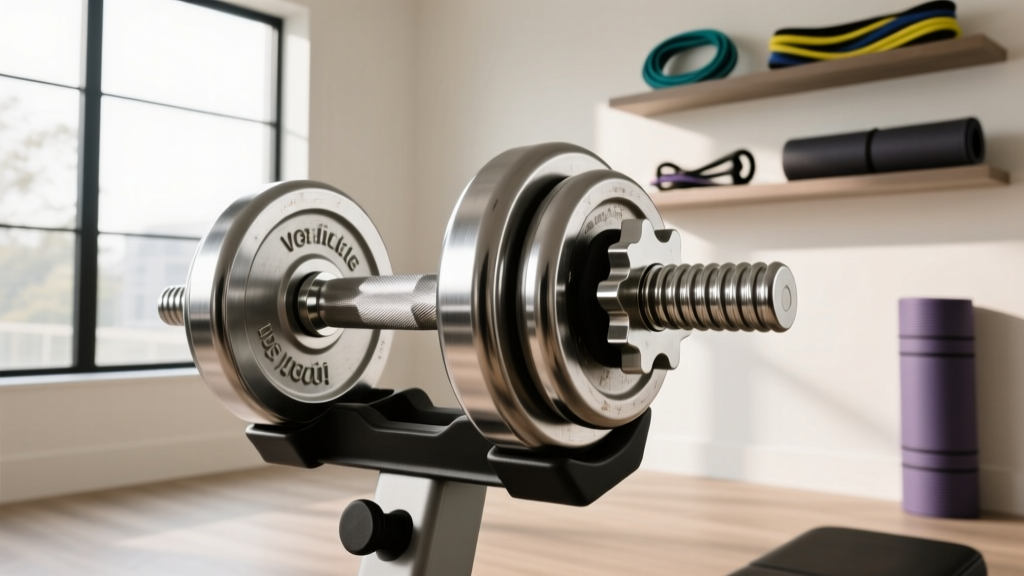
Loadable Dumbbell vs Dumbbell Machine: Maintenance & Care Guide

Dumbbell Workout Plan for Women: Barbell Collar Troubleshooting
Bumper vs Iron Plates & Dumbbell Bench vs Barbell Bench Budget Guide

What Size Dumbbell Should I Start With? Hex vs Urethane Space Guide
Power Rack vs Squat Rack vs Squat Stand: Best for Power Dumbbells
