
Optimizing Space for the Flat Dumbbell Chest Fly: Hex vs Urethane
Discover how rubber hex vs urethane dumbbells impact home gym space layout and clearance for the flat dumbbell chest fly. Expert dimensions & tips inside.

The Spatial Demands of the Flat Dumbbell Chest Fly
Designing a functional home gym in 2026 requires looking beyond static equipment footprints and analyzing dynamic movement envelopes. No exercise exposes spatial miscalculations quite like the flat dumbbell chest fly. This isolation movement demands maximum lateral clearance, requiring the lifter to extend their arms fully while holding bulky weights just inches above the floor.
When optimizing your layout, the physical dimensions of your dumbbells dictate your bench placement, rack positioning, and overall aisle width. The two most common options for home gyms—rubber-coated cast iron hex dumbbells and premium urethane dumbbells—offer vastly different spatial profiles, material densities, and failure modes. Understanding these differences is critical for creating a safe, efficient training environment.
Rubber Hex Dumbbells: The Budget Space-Saver
Rubber hex dumbbells, such as the ubiquitous CAP Barbell Cast Iron Hex series, have long been the default choice for budget-conscious home gym owners. Priced between $1.50 and $2.20 per pound, they offer an accessible entry point into free weight training. The hexagonal shape prevents rolling, allowing you to store them flush against walls or tightly packed on tiered A-frame racks, which is a major advantage for narrow spare-bedroom gyms.
The Density Problem and Chest Fly Clearance
However, rubber is inherently less dense than urethane, and the manufacturing process requires a thicker outer casing to prevent the rubber from tearing away from the cast iron core. This results in disproportionately large dumbbell heads on heavier weights.
Consider a 60-pound rubber hex dumbbell: the head can measure up to 7 inches in width. When performing a flat dumbbell chest fly, the lifter's arms descend in a wide arc. If you are tall, or if your bench is positioned too close to a wall or power rack upright, those bulky 7-inch heads will strike the floor or the metal rack before your pectoral muscles reach a full stretch. This not only limits the biomechanical effectiveness of the exercise but also creates a dangerous scenario where the lifter might wrench their shoulder trying to avoid a collision.
Material Degradation in Enclosed Spaces
From a layout perspective, rubber hex dumbbells introduce an invisible spatial constraint: air quality. Cheap recycled rubber off-gasses volatile organic compounds (VOCs). In a large, well-ventilated garage gym, this is manageable. In a 10x10 enclosed indoor space, the odor can become overwhelming, forcing you to invest in heavy-duty air purifiers or restrict where you place the equipment relative to HVAC returns.
Urethane Dumbbells: Premium Density for Compact Footprints
Urethane (polyurethane) dumbbells represent the gold standard for commercial facilities and high-end home gyms. Brands like Rogue Fitness and Rep Fitness utilize high-grade urethane that is significantly more durable, odorless, and dense than traditional rubber.
Spatial Advantages for the Chest Fly
Because urethane is highly resistant to tearing and abrasion, manufacturers can mold it much closer to the internal steel core. Furthermore, urethane's higher specific gravity means less physical volume is required to achieve the same weight. A 60-pound urethane dumbbell head typically measures around 5.5 to 6 inches in width—over an inch slimmer than its rubber hex counterpart.
This compact profile is a game-changer for the flat dumbbell chest fly. That extra inch of clearance on each side allows for a deeper, unobstructed stretch at the bottom of the movement, even if your bench is situated in a tighter spatial envelope. You can place your flat bench closer to walls or inside a power rack (with safety arms removed) without fearing that the dumbbell heads will clip the uprights during the eccentric phase.
Chemical Bonding vs. Mechanical Press-Fit
From a longevity and layout-maintenance perspective, urethane shines. Rubber hex dumbbells rely on a mechanical press-fit or basic adhesive to join the steel handle to the rubber-encased head. Over time, especially if dropped on hard flooring, this bond fails, resulting in the dreaded 'rattle' and eventual head detachment. Urethane, however, is cast directly onto the steel core and forms a permanent chemical bond. They will not rattle, leak, or detach, meaning you won't need to allocate floor space for 'out of order' equipment or deal with messy repairs.
Head-to-Head: Spatial & Material Comparison Matrix
| Feature | Rubber Hex Dumbbells | Urethane Dumbbells |
|---|---|---|
| Average Cost (per lb) | $1.50 - $2.20 | $3.50 - $5.50 |
| 60lb Head Width | ~6.8 - 7.2 inches | ~5.5 - 6.0 inches |
| Fly Clearance Impact | Limits stretch; requires wider aisles | Allows full stretch in tighter layouts |
| Odor / Off-gassing | High (VOCs in cheap variants) | Virtually Zero |
| Storage Footprint | Excellent (Hex shape prevents rolling) | Good (Round, but requires tiered rack) |
| Core Bonding | Mechanical (Prone to rattling/detaching) | Chemical (Permanent, zero maintenance) |
Designing Your Layout: Rack Placement & Clearance
When mapping out your gym floor plan, use the 'Wingspan + Hardware' formula to determine your lateral clearance zone for the flat dumbbell chest fly. The average adult male wingspan is roughly 72 inches. Add 12 inches to account for the width of the dumbbell heads (6 inches per side), plus a 6-inch safety buffer on each side.
⚠️ Spatial Warning: The Power Rack TrapMany lifters attempt to perform dumbbell flies inside a standard power rack to utilize the built-in bench. A standard rack interior width is 49 inches. If your wingspan plus dumbbells exceeds 45 inches, you will strike the steel uprights at the bottom of the fly, risking severe wrist and shoulder injuries. Always position a standalone flat bench in the open center of the room or at least 4 feet away from any vertical rack supports when executing wide-arc isolation movements.
Tier Racks vs. Wall-Mounted Shelves
If you opt for rubber hex dumbbells, a vertical A-frame tier rack is the most space-efficient storage solution, occupying roughly 2.5 square feet of floor space while holding up to 10 pairs. However, if you invest in premium urethane dumbbells, consider wall-mounted horizontal shelves. Because urethane doesn't off-gas, it is safer to mount them on walls closer to seating or HVAC vents. Furthermore, wall shelves free up valuable floor space, allowing you to slide your flat bench directly against the wall when not in use, maximizing your open training area.
Final Verdict: Which Belongs in Your Gym?
Your choice between rubber hex and urethane dumbbells should be dictated by your spatial constraints, budget, and biomechanical needs. If you are outfitting a large garage gym on a strict budget, and your primary movements are presses and rows where dumbbell head size is less critical, rubber hex dumbbells remain a highly functional, space-saving choice.
However, if you are designing a compact indoor gym, prioritize joint health, and frequently perform wide-arc isolation movements like the flat dumbbell chest fly, the investment in urethane dumbbells is non-negotiable. The superior density provides the physical clearance required for a full range of motion in tight spaces, while the lack of VOCs ensures your indoor air quality remains uncompromised. In 2026, optimizing your gym layout means optimizing the equipment itself—and urethane simply fits the modern, space-conscious home gym blueprint far better than bulky rubber.
More gear to consider
All reviews
Pepins Dumbbell Upgrade: Olympic Barbell Weight & Knurling Mistakes

Trade Old Dumbbells: Cast Iron vs Competition Kettlebell Value
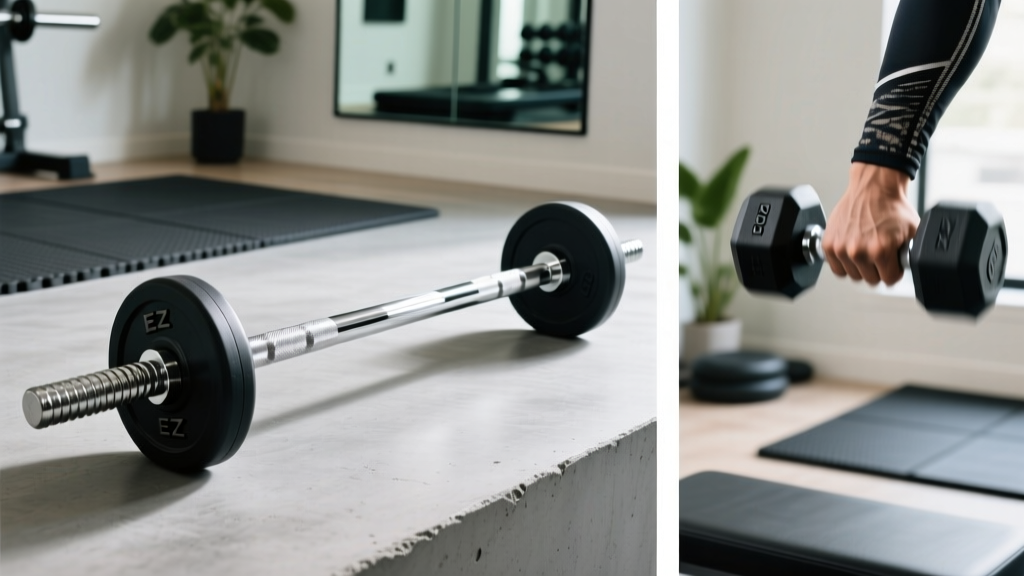
EZ Curl Bar vs Straight Bar Longevity: Care Tips & Single Dumbbell Good Morning Alternatives
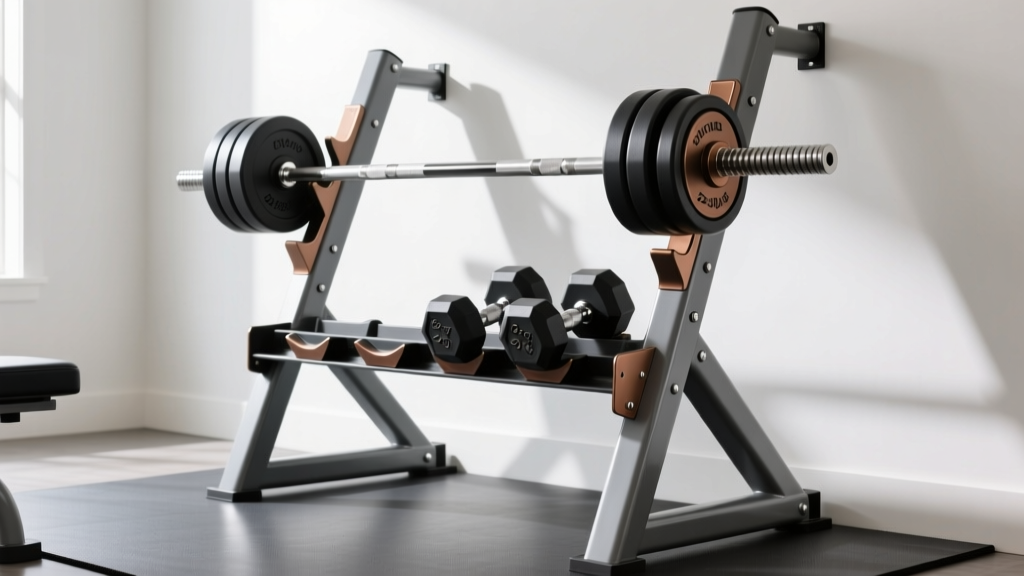
Best Dumbbell Racks & Storage for Heavy Incline Dumbbell Presses

EZ Curl Bar vs Straight Bar: Space Layout & Dumbbell Jumps
