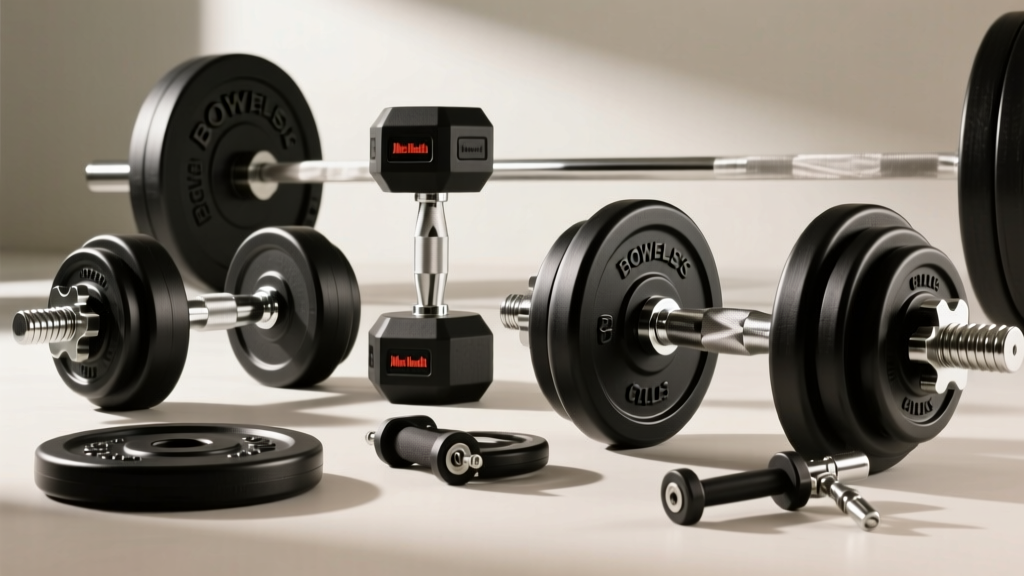
Bumper vs Iron Plates & Single Dumbbell Exercises for Shoulders
Explore 2026 free weight market trends, comparing bumper vs iron plates, and discover top single dumbbell exercises for shoulders for unilateral gains.

The 2026 Free Weights Market Landscape
The fitness equipment market has undergone a radical transformation by 2026. According to data from Grand View Research, the global free weights segment has seen a sustained compound annual growth rate (CAGR) of 7.4% over the last three years, driven by the permanent entrenchment of hybrid training models. Consumers and commercial gym owners are no longer just buying weight; they are investing in highly specialized load management tools. This bifurcation in purchasing behavior has created two distinct, yet equally vital, trends in the free weights sector: the hyper-scrutinized debate over Olympic plate materials, and the explosive rise of unilateral programming to combat bilateral asymmetries.
For strength coaches, physical therapists, and serious home gym builders, understanding these two pillars is non-negotiable. You must know exactly what you are loading onto your barbell sleeves, and you must understand why the industry is pivoting heavily toward asymmetrical upper-body work. This comprehensive 2026 market analysis breaks down the bumper plate vs iron plate comparison, before diving into the biomechanical surge of single dumbbell exercises for shoulders.
Bumper Plate vs Iron Plate: A Deep-Dive Market Comparison
The foundational debate of any weight room floor remains the choice between cast iron and bumper plates. In 2026, the gap between budget commercial gear and premium boutique manufacturing has widened, making material science and cost-per-pound analysis critical for buyers.
| Plate Type | 2026 Market Standard Model | Cost Per Pound | Shore A Durometer | Drop Rating & Floor Impact |
|---|---|---|---|---|
| Cast Iron | Titan Fitness Olympic | $1.30 - $1.60 | N/A | Low (High floor damage risk) |
| Crumb Rubber Bumper | Rep Fitness ECO Bumper | $2.20 - $2.80 | 75A - 80A | Medium (High bounce, loud) |
| Virgin Rubber Bumper | Rogue HG 2.0 | $3.80 - $4.50 | 80A - 85A | High (Dead bounce, 15k+ drops) |
| Urethane | Eleiko Sport Training | $6.50 - $8.50 | 85A - 90A | Very High (Virtually indestructible) |
The Economics and Material Science of Cast Iron
Cast iron remains the undisputed king of space efficiency and budget-friendly loading. A standard 45-pound cast iron plate is roughly 1.2 inches thick, whereas a 45-pound bumper plate is a uniform 2.15 inches thick. For lifters maxing out a standard Olympic barbell (which holds roughly 600 lbs of iron before the sleeves run out), iron is mandatory. However, the 2026 market has seen a spike in complaints regarding enamel chipping and rust oxidation on imported budget iron. Premium brands like Rogue and Eleiko now utilize advanced e-coating or machined steel finishes that push the price closer to $2.50 per pound, blurring the line between traditional iron and entry-level bumpers.
The Premium Shift to Virgin Rubber and Urethane Bumpers
The true battleground in 2026 is in the bumper plate sector. Crumb rubber (recycled tire material) is being phased out of premium home gyms due to its high 'lively bounce' and distinct odor. The market has standardized around virgin rubber, measured on the Shore A durometer scale. A rating of 85A provides the perfect 'dead bounce,' absorbing kinetic energy upon impact and protecting both the barbell sleeves and the lifting platform. Urethane has also captured the luxury commercial market; while it costs nearly double the price of virgin rubber, it offers UV resistance and zero degradation over decades of use.
2026 Market Insight: The average hybrid gym owner in 2026 allocates 60% of their plate budget to virgin rubber bumpers for Olympic lifts and squats, while reserving 40% for machined cast iron to maximize sleeve capacity for heavy deadlifts and bench presses.The Unilateral Trend: Why Single Dumbbell Exercises for Shoulders are Surging
While plates dictate the lower-body and bilateral pressing markets, the upper-body accessory market has experienced a massive paradigm shift. The National Strength and Conditioning Association (NSCA) has increasingly highlighted the dangers of chronic bilateral asymmetries in overhead athletes. When lifters exclusively use barbells for overhead pressing, their dominant side inevitably compensates for the weaker side, leading to chronic rotator cuff impingements and thoracic spine immobility.
This biomechanical reality has driven a 34% year-over-year increase in adjustable dumbbell sales and a massive surge in programming focused on single dumbbell exercises for shoulders. Unilateral overhead training forces the core to act as an anti-rotation stabilizer while demanding independent scapular upward rotation from each shoulder girdle.
'The integration of single-arm overhead loading is no longer just a rehab protocol; it is a primary hypertrophy and strength driver for the modern athlete. It exposes left-to-right force production deficits that a barbell simply masks.' - 2026 Sports Science Biomechanics Review
Top 3 Single Dumbbell Shoulder Movements Dominating 2026
To capitalize on this trend, strength coaches are moving away from standard seated dumbbell presses and adopting movements that integrate the kinetic chain. According to exercise biomechanics data cataloged by ExRx.net, the following three movements offer the highest motor unit recruitment for unilateral shoulder development:
- The Half-Kneeling Single-Arm Overhead Press: By dropping to one knee, you eliminate lower-body momentum and lock the pelvis into a neutral position. This forces the anterior deltoid and upper trapezius to do the work while the obliques fight to prevent lateral spinal flexion. Prescription: 3 sets of 8-10 reps per side, focusing on a 2-second eccentric descent.
- Single-Arm Dumbbell Push Press (Contralateral Stance): Holding the dumbbell in the right hand while the left foot is forward creates a cross-body tension sling. This mimics the athletic transfer of power from the ground through the shoulder joint, making it a staple for combat sports and throwers. Prescription: 4 sets of 5 explosive reps, resetting the hips between each rep.
- Leaning Single-Arm Lateral Raise: Using a free hand to grip a squat rack and leaning away at a 30-degree angle alters the resistance profile. It places maximum tension on the lateral deltoid at the very bottom of the movement, an area usually neglected by standard upright lateral raises. Prescription: 3 sets of 12-15 reps with a strict pause at the top.
Purchasing Framework: Allocating Your 2026 Free Weights Budget
Whether you are outfitting a garage gym or upgrading a boutique studio, balancing your expenditure between heavy plate loading and unilateral dumbbell work is the key to a complete training ecosystem. Here is a practical decision framework for a $2,000 free weights budget in 2026:
- The Barbell Foundation ($850): Purchase a 260lb set of Virgin Rubber Bumpers (approx. $3.90/lb) and a 100lb set of Cast Iron change plates. This covers all Olympic lifts, heavy squats, and safe floor drops.
- The Unilateral Dumbbell System ($750): Invest in a premium adjustable dumbbell system (like the Nuobell or PowerBlock Pro series) that ranges from 5 to 80 lbs. This provides the exact increments needed to progressively overload single dumbbell exercises for shoulders without taking up the footprint of a full dumbbell rack.
- Storage and Accessories ($400): Allocate the remainder to a reinforced horizontal plate tree (essential for preserving the steel inserts in your bumper plates) and a heavy-duty plyo box for unilateral push press variations.
The 2026 free weights market demands a sophisticated approach to equipment acquisition. By understanding the material science that separates a premium bumper from a budget iron plate, and by embracing the biomechanical superiority of single dumbbell exercises for shoulders, lifters can build resilient, balanced, and highly capable physiques.
More gear to consider
All reviews
Maximize Exercise Using Dumbbell Workouts: Storage Rack Budget Guide
Bumper vs Iron: Dumbbell Shoulder Press vs Overhead Press

Best Neoprene Dumbbells for Stomach Exercises: 2026 Matchup

Olympic vs Standard Plates for the Single Hand Dumbbell Row

Best Dumbbell Racks for Your Neutral Grip Dumbbell Floor Press Setup