
Seated Dumbbell Chest Press: Rubber Hex vs Urethane Budget Breakdown
Is urethane worth the premium over rubber hex for the seated dumbbell chest press? We break down cost-per-pound, grip dynamics, and long-term value.

The Biomechanics of the Seated Dumbbell Chest Press: Why Gear Matters
When executing the seated dumbbell chest press—particularly on an incline bench to target the clavicular head of the pectoralis major—the physical dimensions of your equipment directly dictate your range of motion, joint mechanics, and overall muscle recruitment. While many lifters treat dumbbells as interchangeable commodities, a deep dive into material science reveals that the choice between rubber hex and urethane dumbbells fundamentally alters the execution of this staple hypertrophy movement.
As of 2026, the fitness equipment market has seen a divergence in pricing and manufacturing standards. Budget-conscious home gym owners often default to rubber hex dumbbells, while commercial facilities and serious athletes invest heavily in urethane. But when you break down the cost-per-pound against the biomechanical demands of the seated dumbbell chest press, which option actually delivers the highest return on investment?
FitGearPulse Pro Tip: The 'kick-up' phase of the seated dumbbell chest press requires flicking the weight off your thigh while simultaneously leaning back. Bulky rubber hex heads can catch on your shorts or the bench pad during this transition, whereas the beveled, compact edges of urethane dumbbells glide smoothly into the starting position.Material Breakdown: Rubber Hex vs. Urethane
Before analyzing the budget, we must define the materials. Rubber hex dumbbells (like the popular REP Fitness Rubber Hex series) feature a cast iron core encased in vulcanized rubber with a hexagonal head to prevent rolling. Urethane dumbbells (such as the Rogue Urethane Dumbbells) use a premium polyurethane elastomer coating over a steel core, offering superior density and resistance to environmental degradation.
The 'Lockout Clash' on an Incline Bench
The most significant biomechanical drawback of rubber hex dumbbells during the seated dumbbell chest press is head collision. Because vulcanized rubber is less dense than urethane, a 50-pound rubber hex dumbbell has a significantly larger physical footprint. When you press the weights up and attempt to bring them together at the top of the movement for peak adduction (a crucial mechanism for chest hypertrophy), the thick rubber heads will physically clash before your hands reach the midline of your chest.
Urethane, being up to 15% more compact for the exact same weight, allows for a fuller range of motion at the lockout. According to strength and conditioning literature highlighted by BarBend, maximizing the adduction phase of a chest press is vital for complete pectoral fiber recruitment. By switching to urethane, you effectively unlock an extra 1 to 2 inches of inward travel at the top of the press.
Budget Breakdown: Cost-Per-Pound Analysis (2026 Pricing)
Let us look at the raw financial data. The upfront cost of urethane is undeniably higher, but evaluating value requires looking at the cost-per-pound and the lifespan of the equipment.
| Metric | Rubber Hex (e.g., REP Fitness) | Urethane (e.g., Rogue Fitness) |
|---|---|---|
| Average Cost Per Pound | $1.60 - $1.90 / lb | $4.00 - $4.80 / lb |
| Cost for a 50lb Pair | ~$175.00 | ~$450.00 |
| Head Density / Volume | Low (Bulky) | High (Compact) |
| Handle Knurling | Aggressive Mountain / Deep | Refined Volcano / Medium |
| Odor / Off-Gassing | High (VOCs present) | None (Odorless) |
| Estimated Lifespan | 3 - 5 Years (Heavy Use) | 15+ Years (Commercial Grade) |
When you amortize the cost over a 15-year lifespan, the annualized cost of a urethane set drops significantly, rivaling the cost of replacing degraded rubber hex sets every four years. However, for lifters on a strict sub-$300 budget, rubber hex remains the only viable entry point.
Grip Fatigue and Knurling Depth During Heavy Presses
The seated dumbbell chest press demands immense grip strength to stabilize the load through the eccentric and concentric phases. Budget rubber hex dumbbells typically feature hard chrome handles with aggressive, deep 'mountain' knurling. While this prevents slipping during deadlifts, it acts like a cheese grater on the palms during high-rep chest presses, leading to callus tearing and premature grip failure before the pectoral muscles reach true muscular failure.
Premium urethane dumbbells pair their dense heads with stainless steel handles featuring a medium 'volcano' knurl. This provides adequate friction for the kick-up and stabilization phases without destroying the skin on your hands, allowing you to push closer to true failure on your seated incline sets.
"In hypertrophy training, the limiting factor should be the target muscle group, not your grip or your equipment's ergonomics. If your dumbbell handle is tearing your hands during a seated chest press, you are leaving pec gains on the table."
Long-Term Value and Failure Modes
To truly understand the budget breakdown, we must examine how these materials fail over time, especially in a home gym or garage environment where temperature and humidity fluctuate.
Rubber Hex Failure Modes
- Peeling and Flaking: The adhesive bond between the cast iron core and the vulcanized rubber degrades with repeated drops and sweat exposure. By year three, you will likely find black rubber flakes on your bench.
- UV and Ozone Degradation: If your gym is in a garage with sunlight exposure, the rubber will dry rot, crack, and become brittle.
- The Smell Factor: Cheap rubber hex dumbbells off-gas volatile organic compounds (VOCs). In a poorly ventilated room, this smell can cause headaches and make the seated dumbbell chest press an unpleasant experience.
Urethane Failure Modes
- Surface Scratching: While urethane (typically rated at 85A-90A on the Shore Durometer scale) is virtually indestructible regarding structural integrity, the surface can scratch if dragged across rough concrete. However, this is purely cosmetic.
- Handle Loosening: In very rare cases, after thousands of heavy drop-sets, the friction-weld or bolt securing the steel handle to the urethane head may require tightening, though this is largely mitigated in modern 2026 manufacturing techniques.
The FitGearPulse Verdict: Which Should You Buy?
The decision ultimately hinges on your training intensity, budget, and dedication to the seated dumbbell chest press as a primary movement.
Buy Rubber Hex If:
- Your total dumbbell budget is under $400.
- You use the seated chest press as a secondary accessory movement rather than a primary heavy compound lift.
- You are outfitting a commercial gym where theft or high turnover makes replacing cheap gear more economical.
Buy Urethane If:
- You prioritize a full range of motion and peak adduction at the top of the incline press.
- You want a 'buy it for life' set that will not off-gas or flake onto your upholstery.
- You value refined knurling that protects your calluses during high-volume hypertrophy blocks.
While the rubber hex dumbbell wins the initial spreadsheet battle with a $1.75/lb price tag, the urethane dumbbell wins the war on biomechanics and longevity. For the serious lifter dedicated to mastering the seated dumbbell chest press, the compact profile and superior grip dynamics of urethane make it the undisputed champion of long-term value.
More gear to consider
All reviews
Comparing Neoprene Dumbbell Dimensions (cm) for Home Gyms
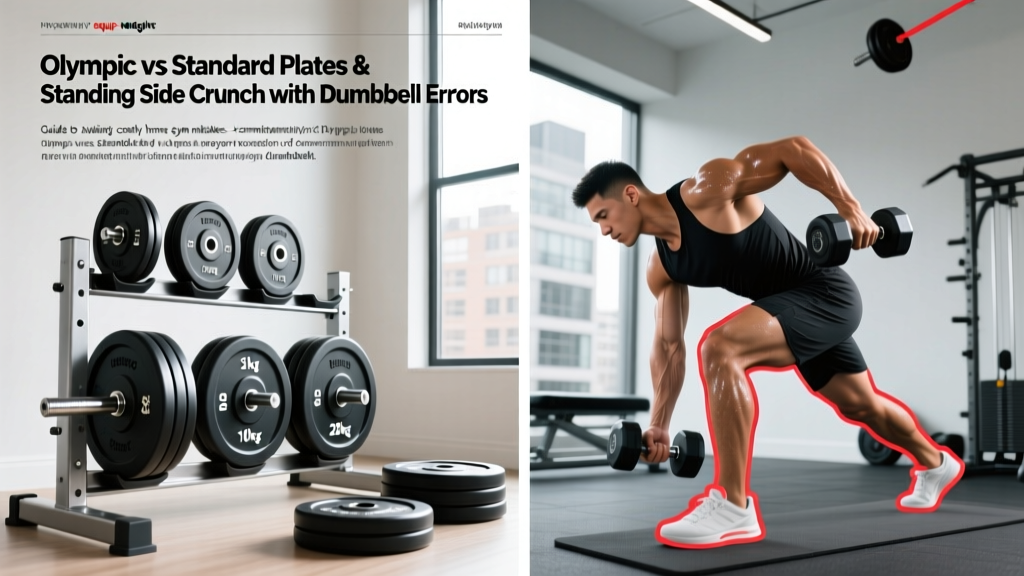
Olympic vs Standard Plates & Standing Side Crunch with Dumbbell Errors

Bumper Plate vs Iron Plate & Bicep Curl Variations Dumbbells
Kettlebell Guide & Chest Supported Incline Dumbbell Row Setups

Best Dumbbell Racks for a Safe Dumbbell Single Leg RDL Setup (2026)
